
Exciting new series on “Voice, Body and Movement for Lawyers – How to connect with the jury and find Justice Through Dramatic Technique!”
Click here to find out more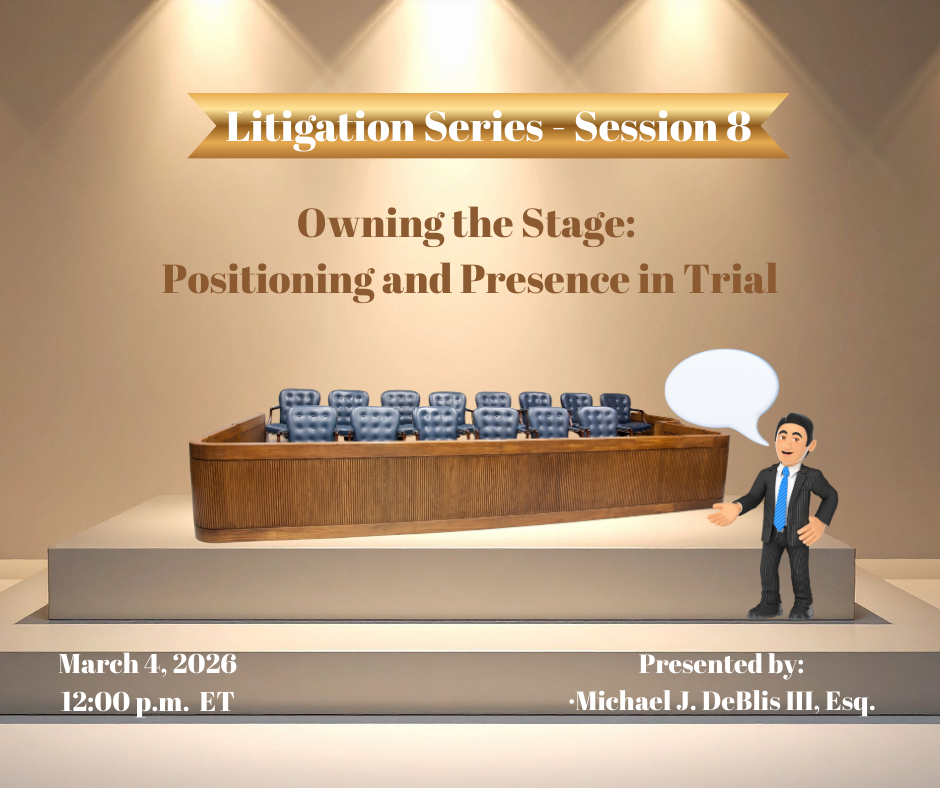
This presentation explores courtroom staging—how movement, spatial awareness, posture, and presence influence juror perception. Drawing from theatrical technique, it teaches attorneys to treat the courtroom as a performance space where intentional choices enhance credibility and connection.
The program demonstrates that good staging is not dramatic—it is purposeful. By aligning physical choices with narrative goals, lawyers create clarity, reduce distractions, and strengthen their persuasive impact.
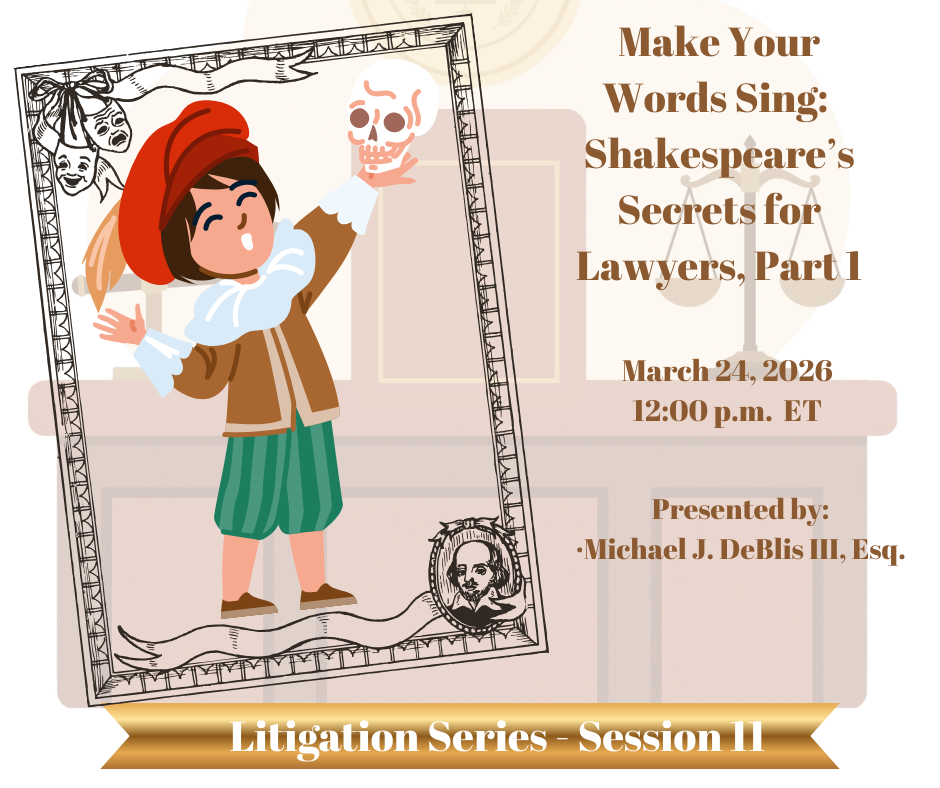
This Shakespeare?inspired program illustrates how Shakespearean technique can enrich courtroom advoc...
Explore the transformative potential of generative AI in modern litigation. “Generative AI for...
Part II builds on the foundation established in Part I by examining how classical rhetorical styles ...
The direct examination presentation outlines how attorneys can elicit truthful, credible testimony w...
This program focuses on overcoming the inner critic—the perfectionist, self?doubting voice tha...
In this course, Dr. Carlson will present a broad overview of what scientific research has discovered...
This CLE program covers the most recent changes affecting IRS information reporting, with emphasis o...
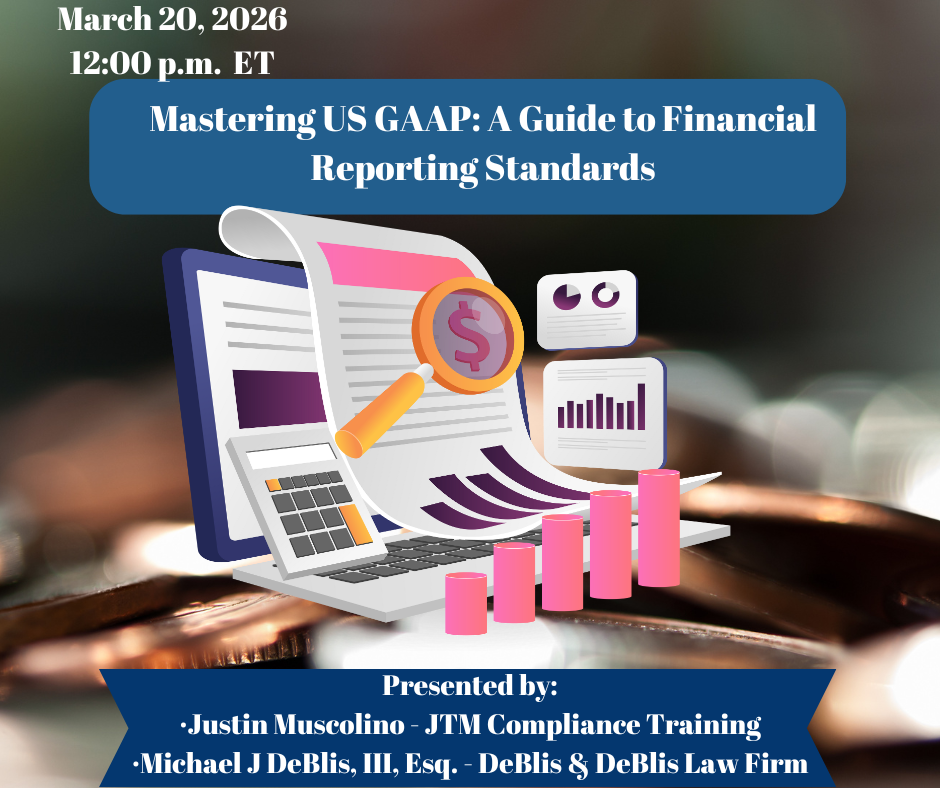
This advanced CLE dives into complex GAAP topics relevant to attorneys advising corporate, regulator...
Part 2 - This program will continue the discussion from Part 1 focusing specifically on cross?examin...
Part I introduces the foundational principles of cross?examination, explaining how lawyers must meth...