
Exciting new series on “Voice, Body and Movement for Lawyers – How to connect with the jury and find Justice Through Dramatic Technique!”
Click here to find out more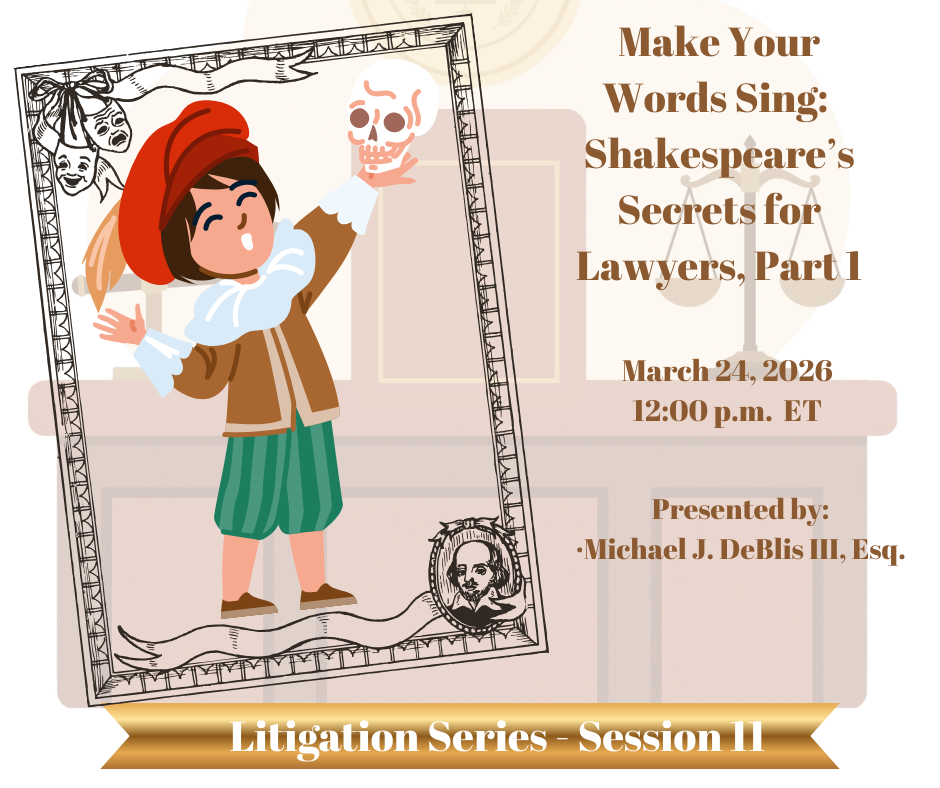
This Shakespeare?inspired program illustrates how Shakespearean technique can enrich courtroom advocacy by enhancing vocal expressiveness, emotional truth, and linguistic clarity. It shows how actors use rhythm, imagery, breath, and intentionality to animate text—and how lawyers can apply the same tools to make arguments vibrant and human.
At its heart, the presentation champions the idea that the lawyer’s voice is an instrument, and when used artfully, it can make complex ideas accessible while forging deeper juror connection.

The landscape of global finance is undergoing a seismic shift as traditional assets migrate to the b...
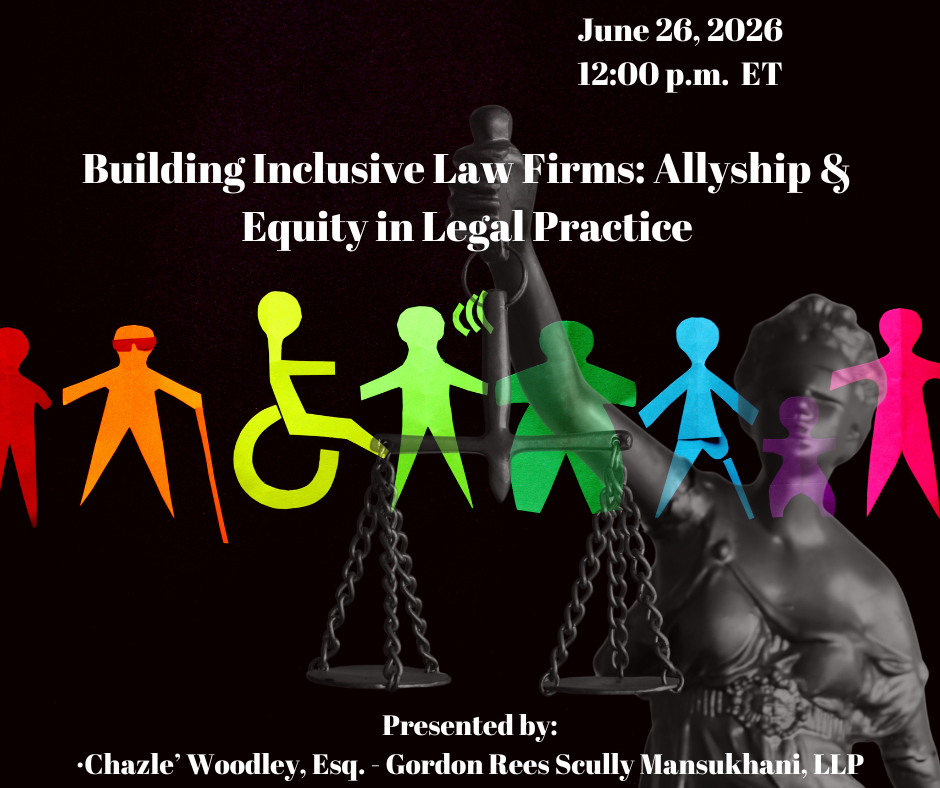
This interactive course is designed to equip legal professionals with the knowledge, tools, and stra...
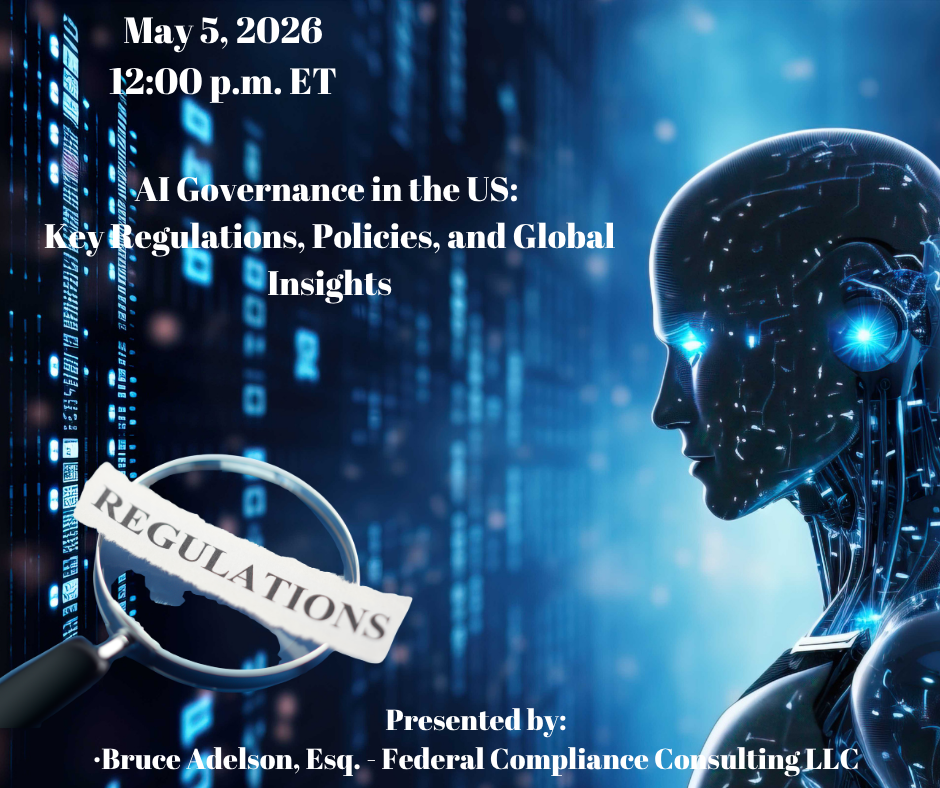
AI, an innovative technology that was once a supporting act for digital transformation, business str...

This course will provide a detailed overview of the Medicare Secondary Payer act as well as provide ...
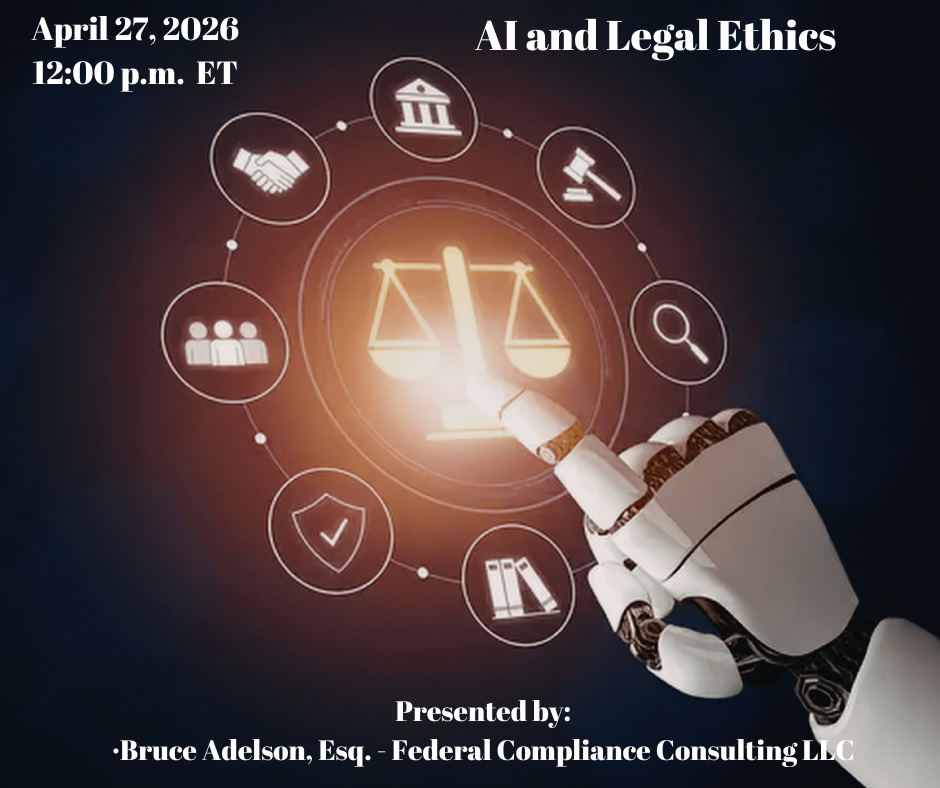
AI is impacting virtually every corner of practicing law. Increasing AI usage has revealed myriad ri...
As law firms increasingly transition from paper-based disbursements to electronic payment systems&md...

In this second segment we will continue with our journey into the multiple elements of high-level ne...
Review the basic software concepts and effective uses of generative AI, prompting strategies, and me...
This program examines listening as an active, strategic trial advocacy skill rather than a passive c...
In an era of heightening geopolitical tension, the protection of sensitive personal data has moved f...