
Exciting new series on “Voice, Body and Movement for Lawyers – How to connect with the jury and find Justice Through Dramatic Technique!”
Click here to find out more
In an era of heightening geopolitical tension, the protection of sensitive personal data has moved from a privacy concern to a national security mandate. Following Executive Order 14117, the Department of Justice has implemented the Data Security Program (28 CFR Part 202)—commonly known as the Bulk Data Rule. This regulation marks a paradigm shift, treating bulk data transfers to "countries of concern" (such as China and Russia) with the same rigor as export-controlled defense technology. As of late 2025 and early 2026, enforcement is in full effect, and the grace periods for compliance have ended.
This program provides attorneys with a vital roadmap for navigating these complex new regulations. We will examine the categories of "sensitive personal data" and their specific bulk thresholds, distinguish between prohibited and restricted transactions, and discuss the severe civil and criminal penalties for non-compliance. Additionally, we will look at how this federal rule intersects with expanding state-level privacy statutes to ensure a comprehensive compliance posture for your clients.
Learning Objectives
By the end of this session, participants will be able to:
Part 2 - This program will continue the discussion from Part 1 focusing specifically on cross?examin...
Disasters, whether natural or manmade, happen. Disasters can impact the practice of law and, among o...
This course breaks down GAAP’s ten foundational principles and explores their compliance impli...
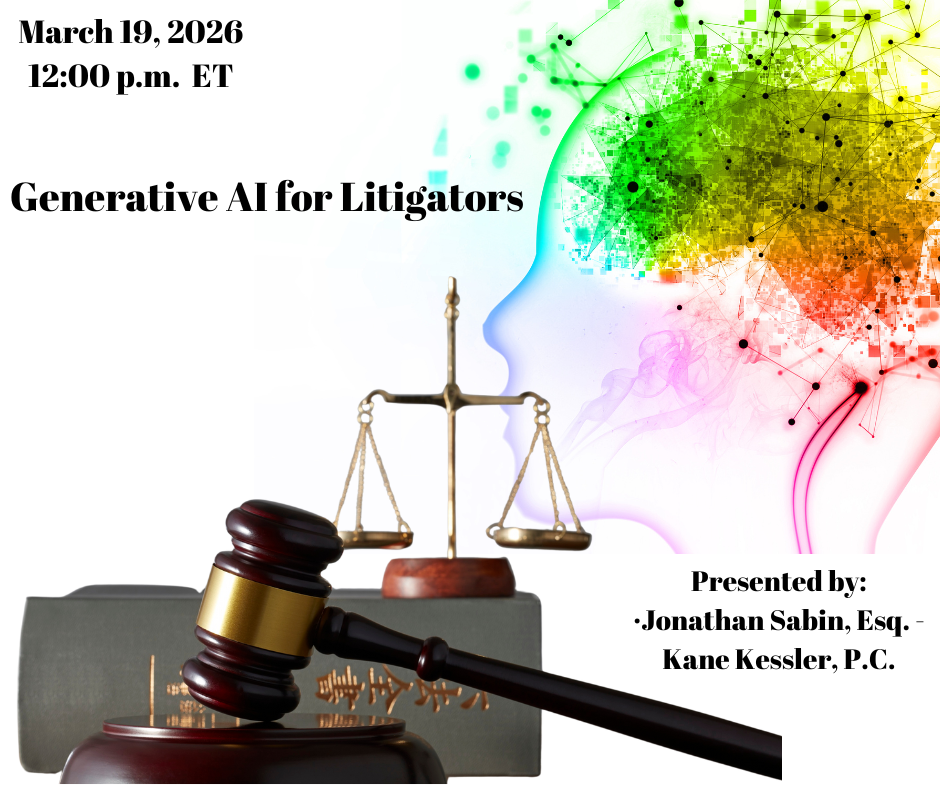
Explore the transformative potential of generative AI in modern litigation. “Generative AI for...
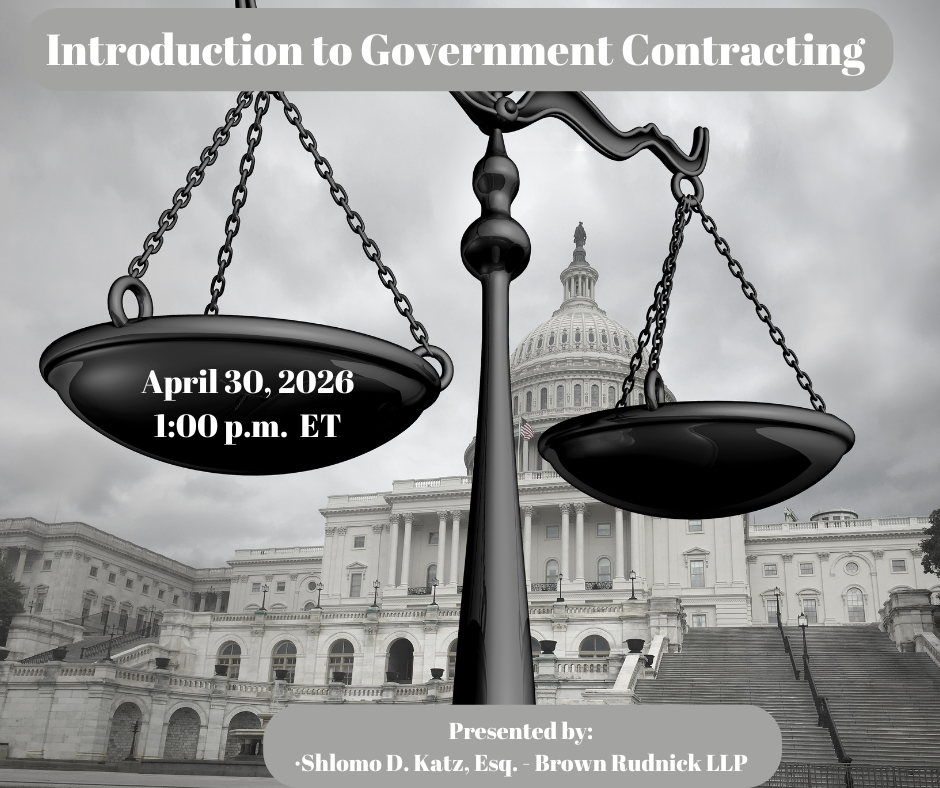
Contracting with the Federal Government is not like a business deal between two companies or a contr...
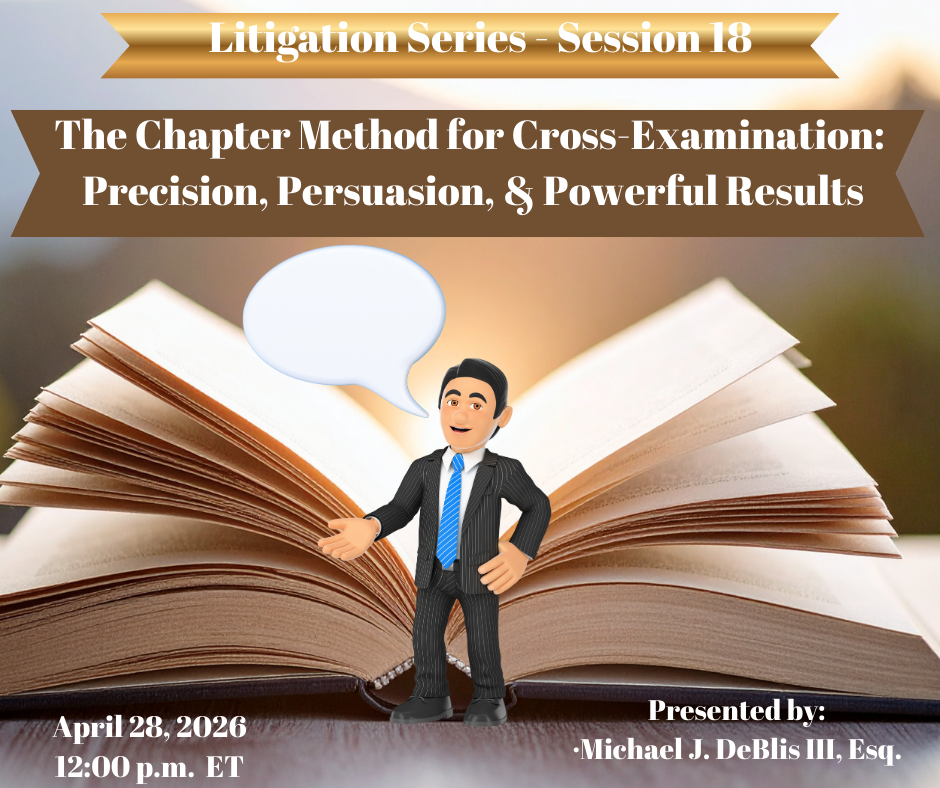
The “Chaptering Your Cross” program explains how dividing a cross?examination into clear...
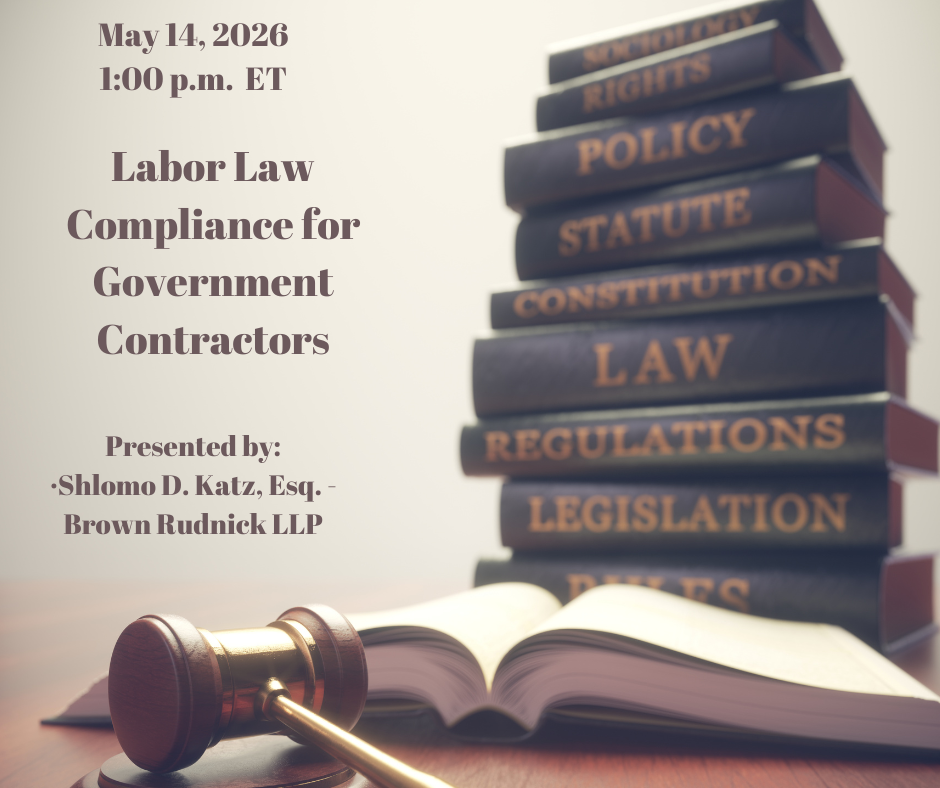
Contracting with the Federal Government is not like a business deal between two companies or a contr...
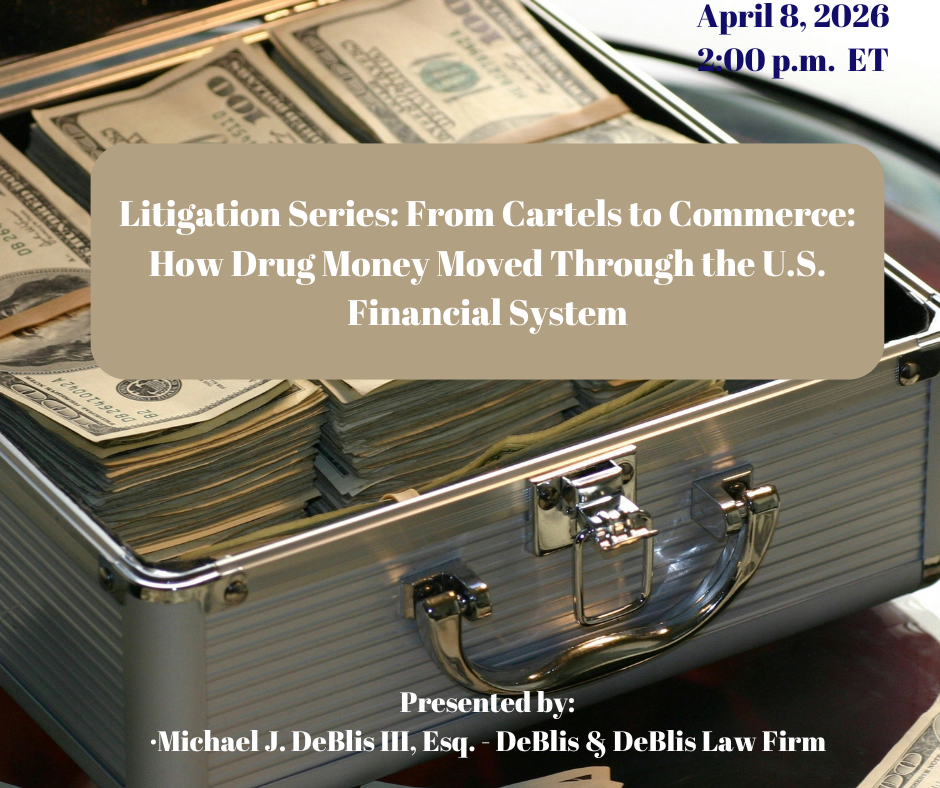
This program provides a detailed examination of the Black Market Peso Exchange (BMPE), one of the mo...

This program explores listening as a foundational yet under-taught lawyering skill that directly imp...
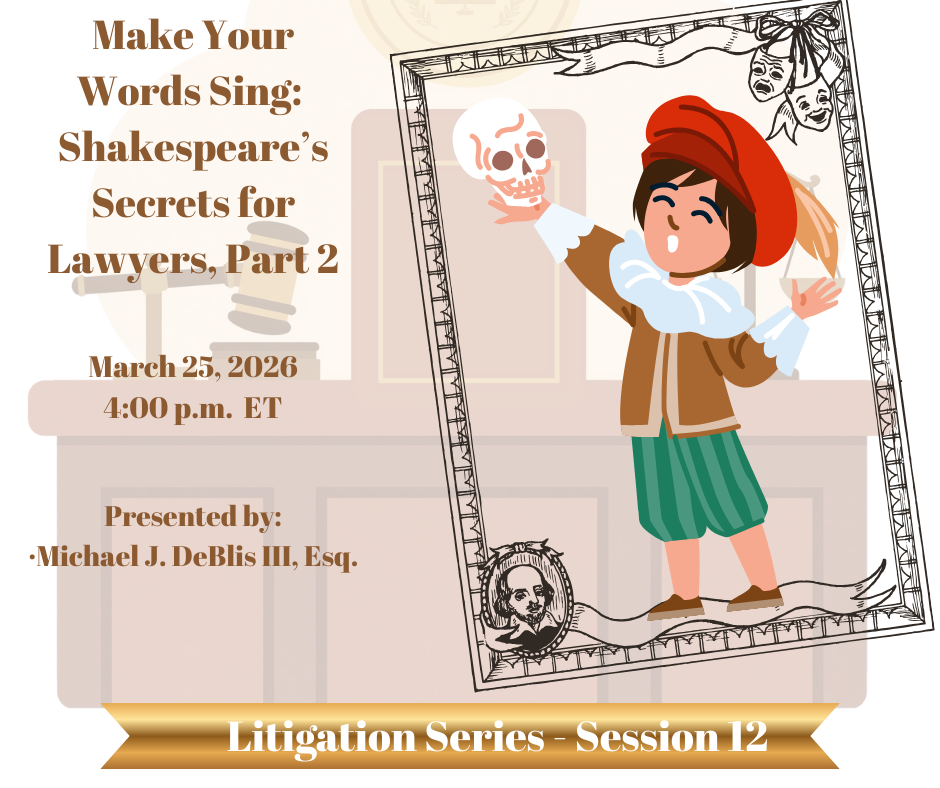
This companion program to Part 1 goes deeper into the rhetorical power of Shakespeare, emphasizing h...