
Exciting new series on “Voice, Body and Movement for Lawyers – How to connect with the jury and find Justice Through Dramatic Technique!”
Click here to find out more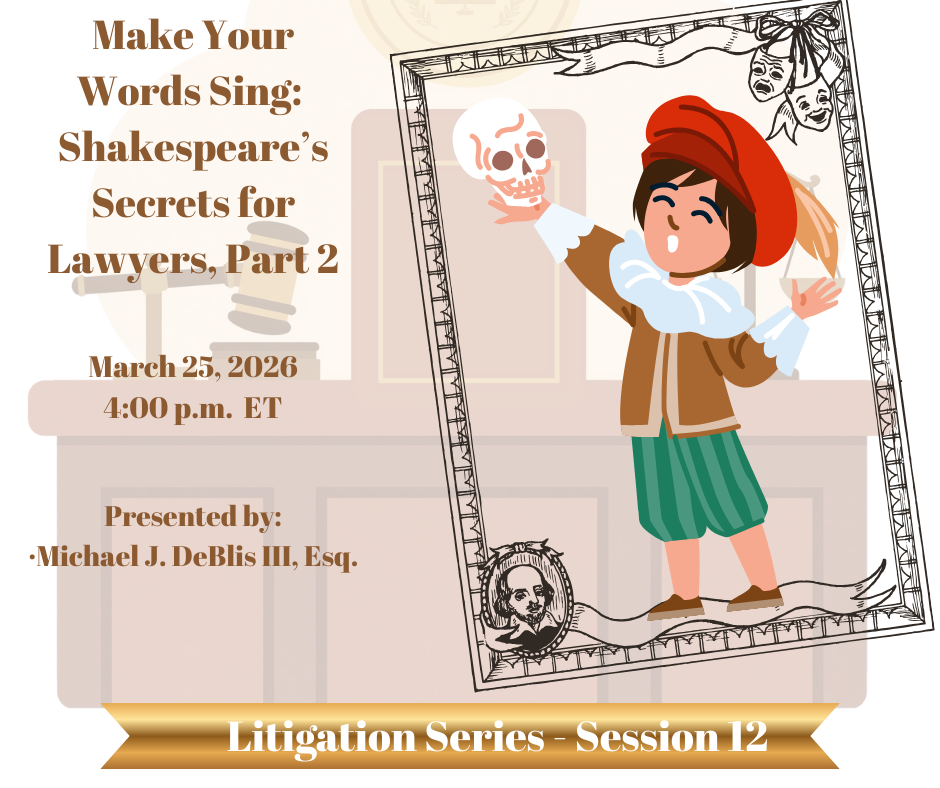
This companion program to Part 1 goes deeper into the rhetorical power of Shakespeare, emphasizing how verse, rhythm, and linguistic precision can elevate persuasion. It demonstrates how Shakespearean rhetoric—rooted in clarity, emotional accessibility, and structured argument—provides a blueprint for powerful opening statements, cross?examinations, and closings.
By embracing rhetorical tools such as cadence, emphasis, and imagery, attorneys can communicate with greater impact while maintaining authenticity and sincerity.
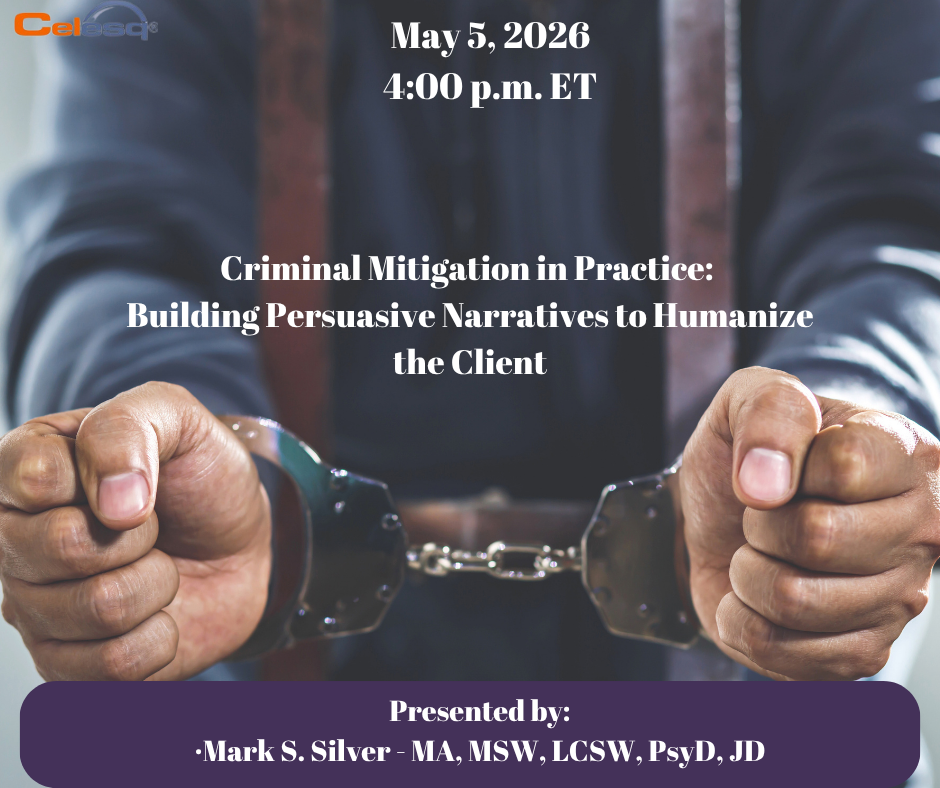
This program provides a comprehensive and practice-oriented framework for integrating criminal mitig...
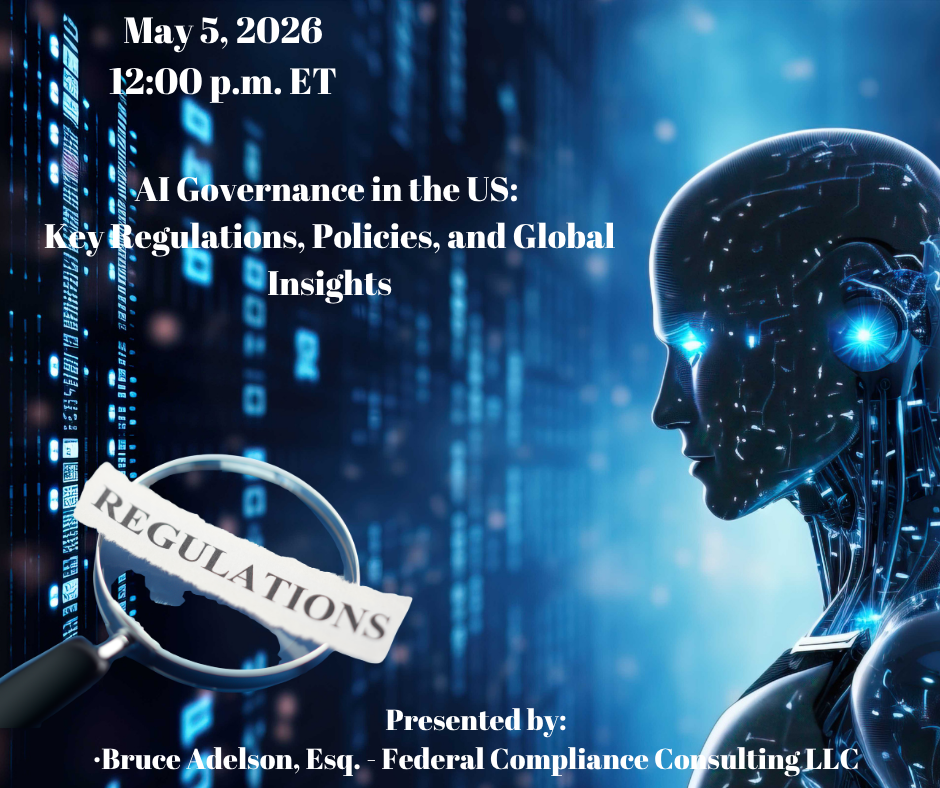
AI, an innovative technology that was once a supporting act for digital transformation, business str...
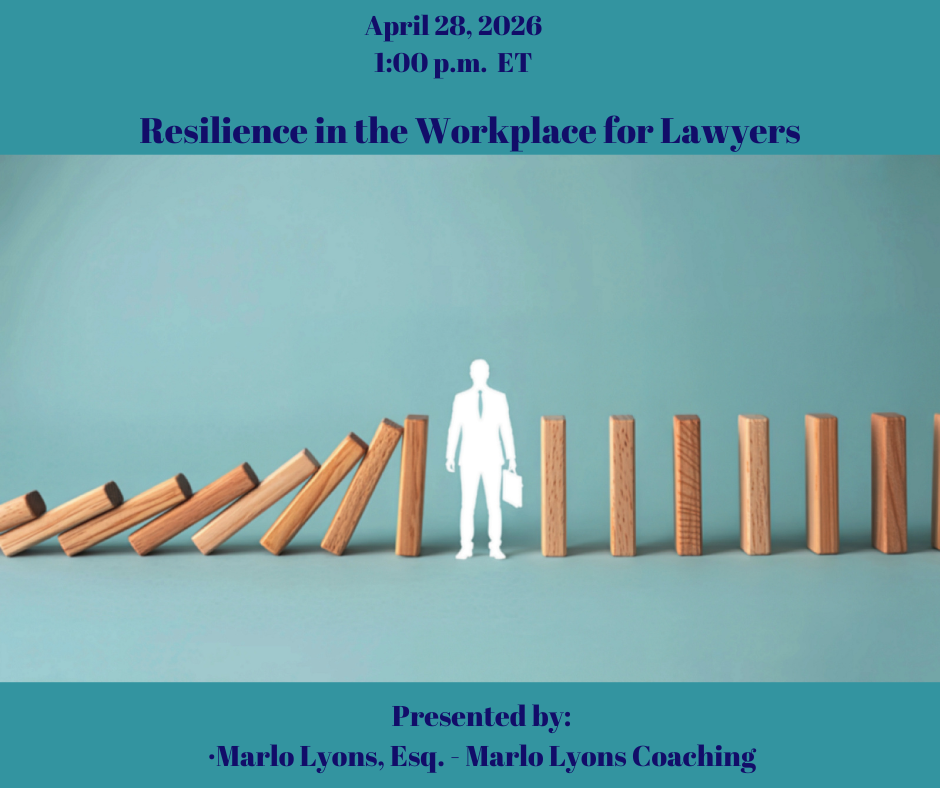
Resilience in the Workplace, delves into the critical importance of resilience in navigating the cha...

This course will provide a detailed overview of the Medicare Secondary Payer act as well as provide ...
This program is geared towards lawyers, experts, commercial property owners, and others in the envir...
In the rapidly evolving landscape of employment law, arbitration agreements have become a cornerston...
In “Choosing the Right Business Entity,” I will walk through the issues that matter most...
Explore the transformative potential of generative AI in modern litigation. “Generative AI for...
Review the basic software concepts and effective uses of generative AI, prompting strategies, and me...
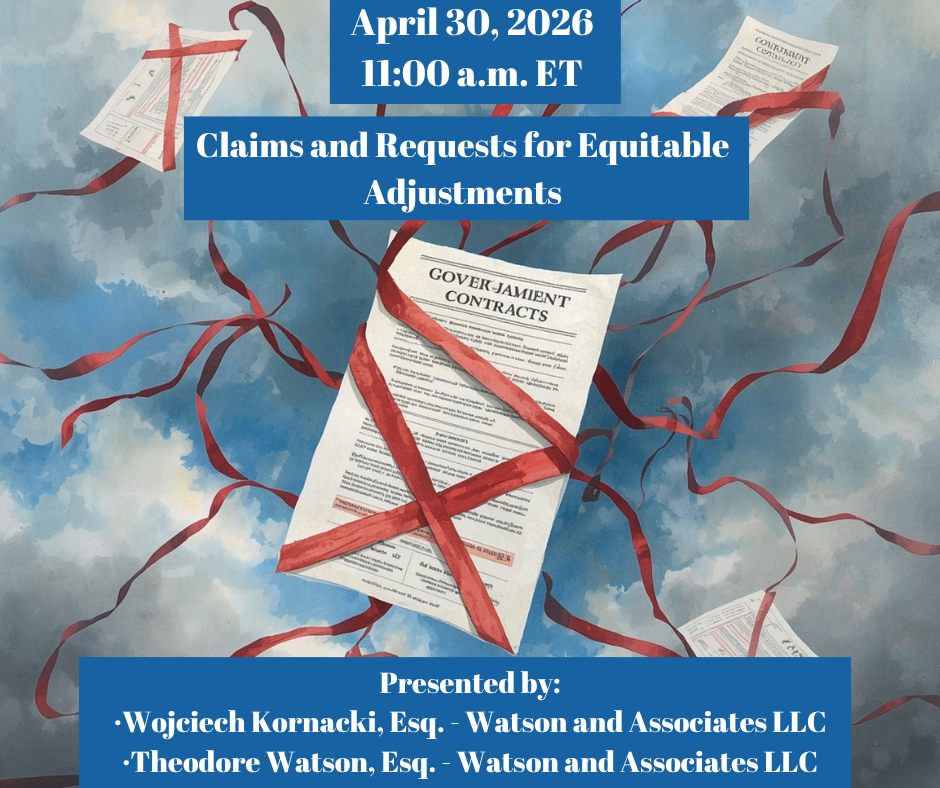
During this presentation, you will learn about the regulations and caselaw controlling claims and re...