
Exciting new series on “Voice, Body and Movement for Lawyers – How to connect with the jury and find Justice Through Dramatic Technique!”
Click here to find out more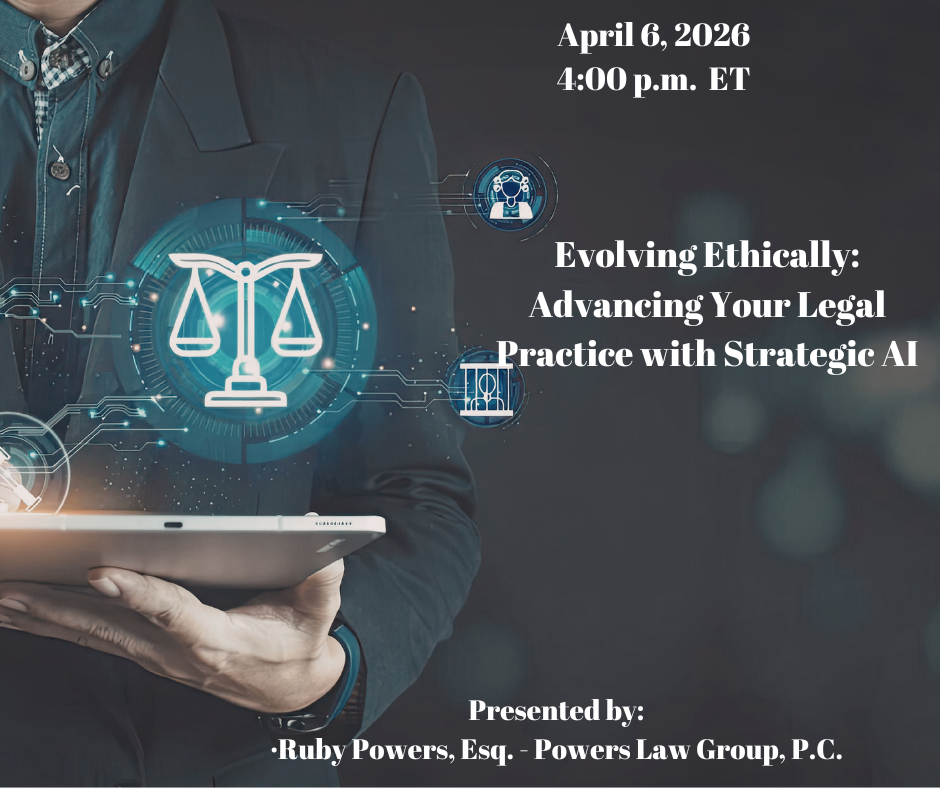
This course provides a roadmap for ethical AI integration in high-volume practices through real-world hypotheticals. Attendees will evaluate the duty of Competence (Rule 1.1) regarding AI hallucinations and Confidentiality (Rule 1.6) when vetting intake and drafting tools.
Learning objectives include establishing protocols for the Supervision (Rules 5.1 & 5.3) of AI-generated work, such as RFEs and petitions, to ensure professional accuracy and accountability.
Participants will leave with a framework for maintaining Candor (Rule 3.3) while leveraging automation to protect client interests and maintain ethical standards.

Learn about the latest trends in Federal Suspension and Debarments. This presentation will assist yo...
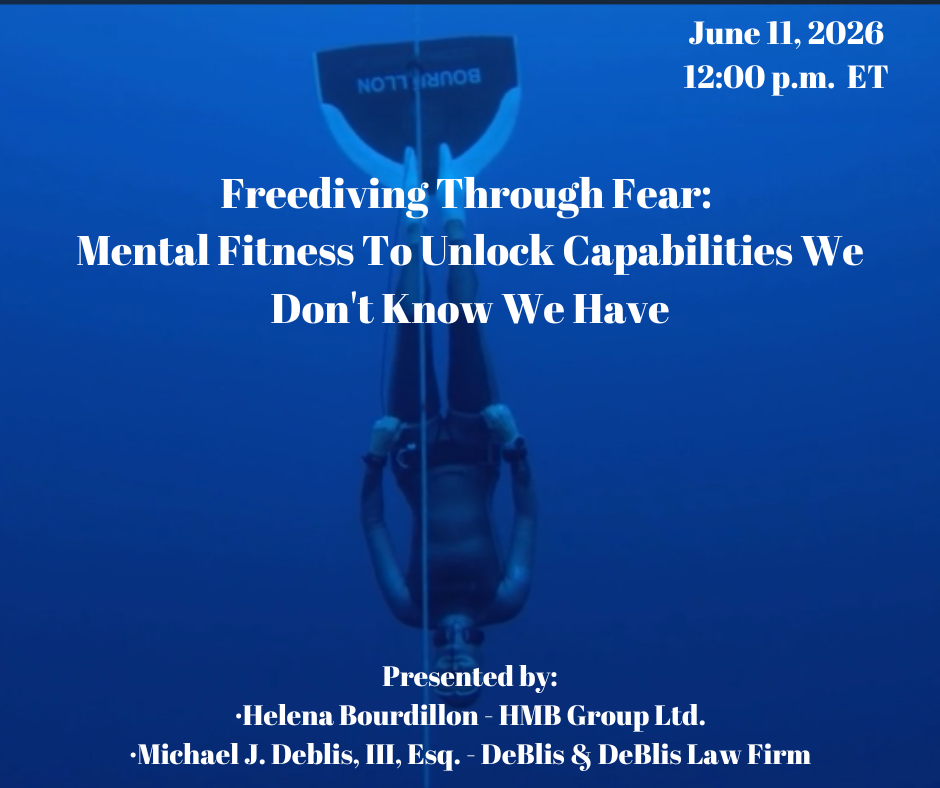
Most legal professionals are operating in survival mode whether they realize it or not. Not crisis-l...
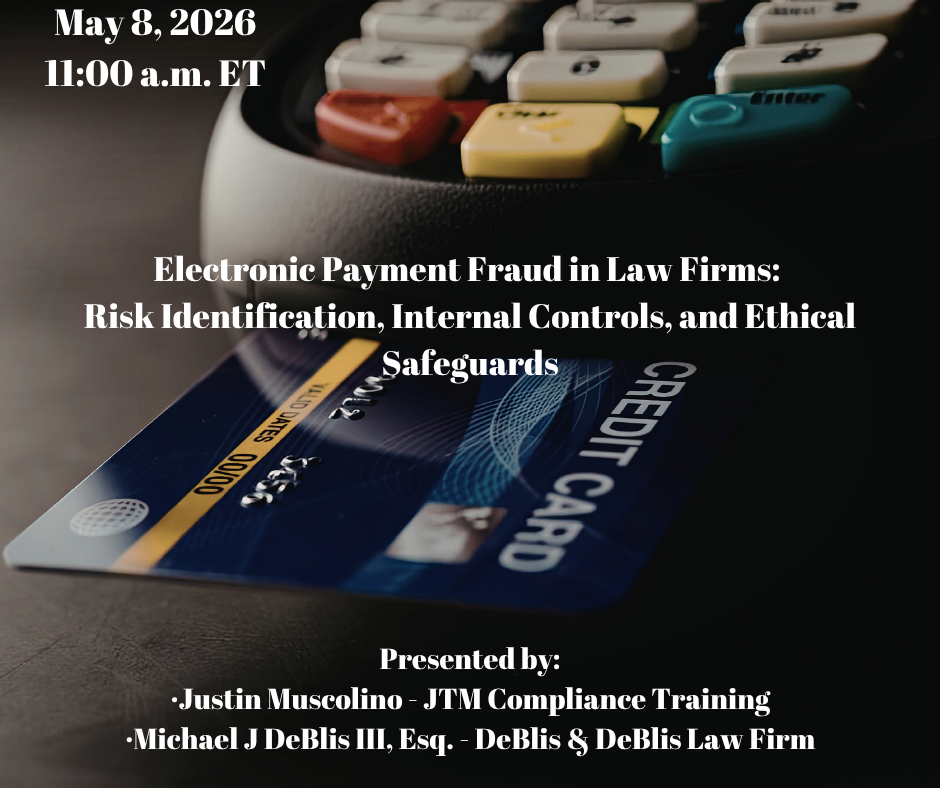
As law firms increasingly transition from paper-based disbursements to electronic payment systems&md...
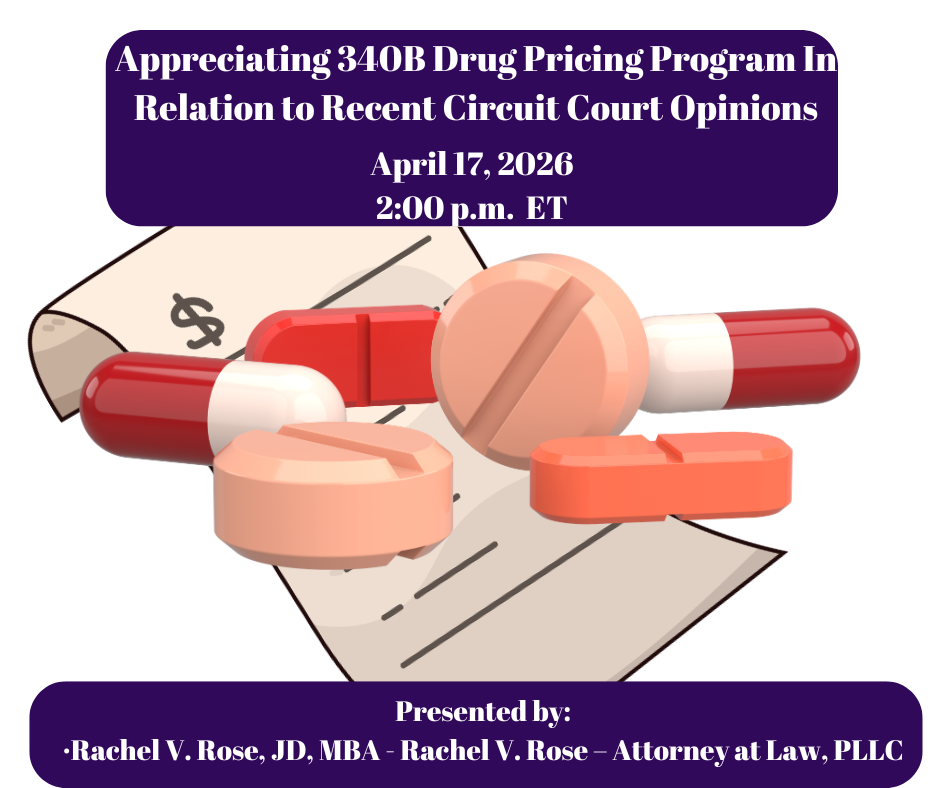
Established in 1992, the 340B Drug Pricing Program has many nuances and applications to different si...

Contracting with the Federal Government is not like a business deal between two companies or a contr...
In an era of heightening geopolitical tension, the protection of sensitive personal data has moved f...

Part 1 - This program focuses specifically on cross?examining expert witnesses, whose credentials an...
AI is impacting virtually every corner of practicing law. Increasing AI usage has revealed myriad ri...
Aligning Your Legal Career with Your Values, explores the profound impact of values alignment on ind...
Explore the transformative potential of generative AI in modern litigation. “Generative AI for...