
Exciting new series on “Voice, Body and Movement for Lawyers – How to connect with the jury and find Justice Through Dramatic Technique!”
Click here to find out more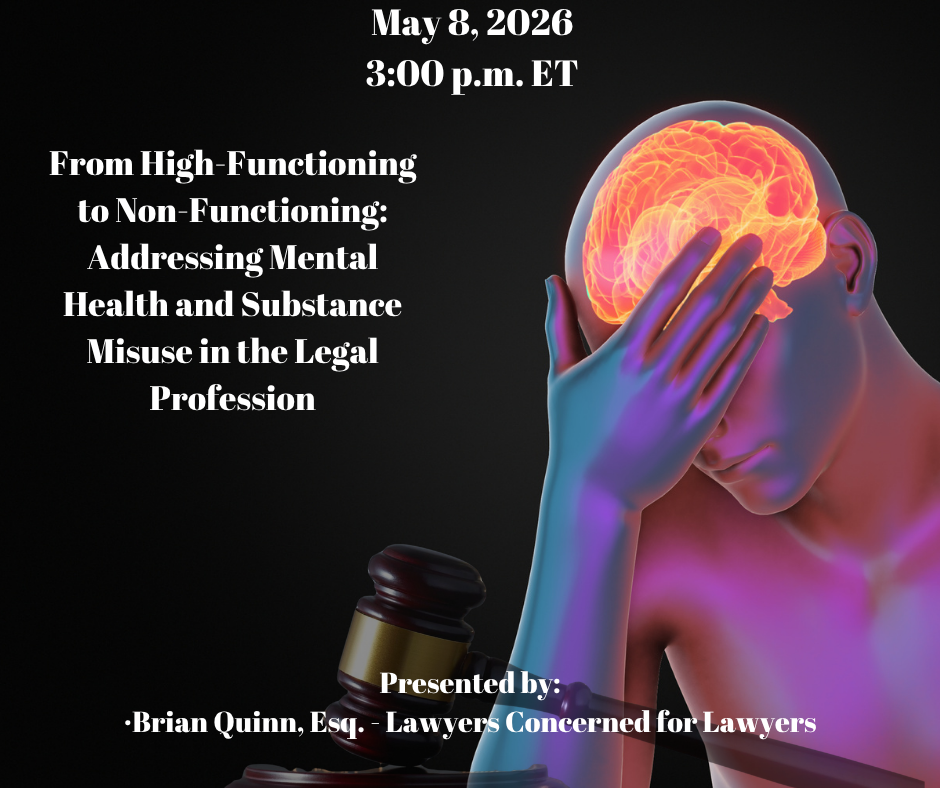
While the term “High-Functioning” isn’t an official medical term or diagnosis, most of us are familiar with what it implies. The continuing ability to perform at a high level can be a barrier to seeking treatment for mental health and substance use disorders. The legal profession is not immune, and in fact may be particularly susceptible to these cycles.
Recent studies have shown that there has been a dramatic increase in impairment due to alcoholism, addiction and mental health disorders among members of the legal profession. The statistics are compelling and clearly indicate that 1 out of 3 attorneys will likely have a need for substance use or mental health services at some point in their careers.
This program will explore:

Part 2 - This program will continue the discussion from Part 1 focusing specifically on cross?examin...
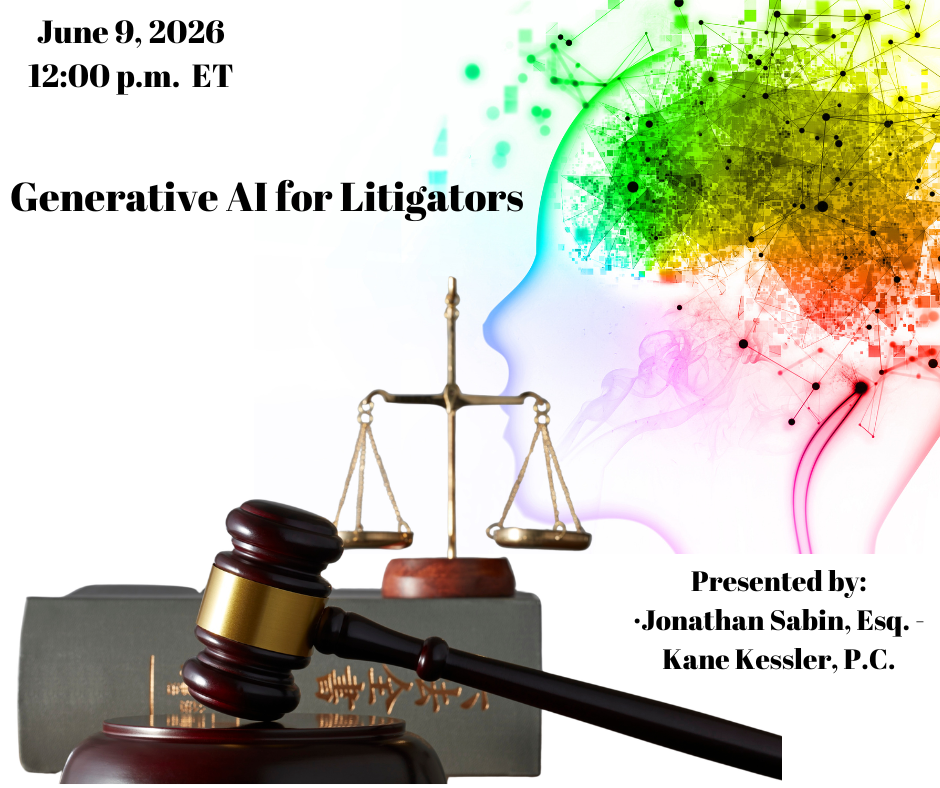
Explore the transformative potential of generative AI in modern litigation. “Generative AI for...

This program will address some of the most common intellectual property (IP) issues that arise in co...

This program is geared towards lawyers, experts, commercial property owners, and others in the envir...
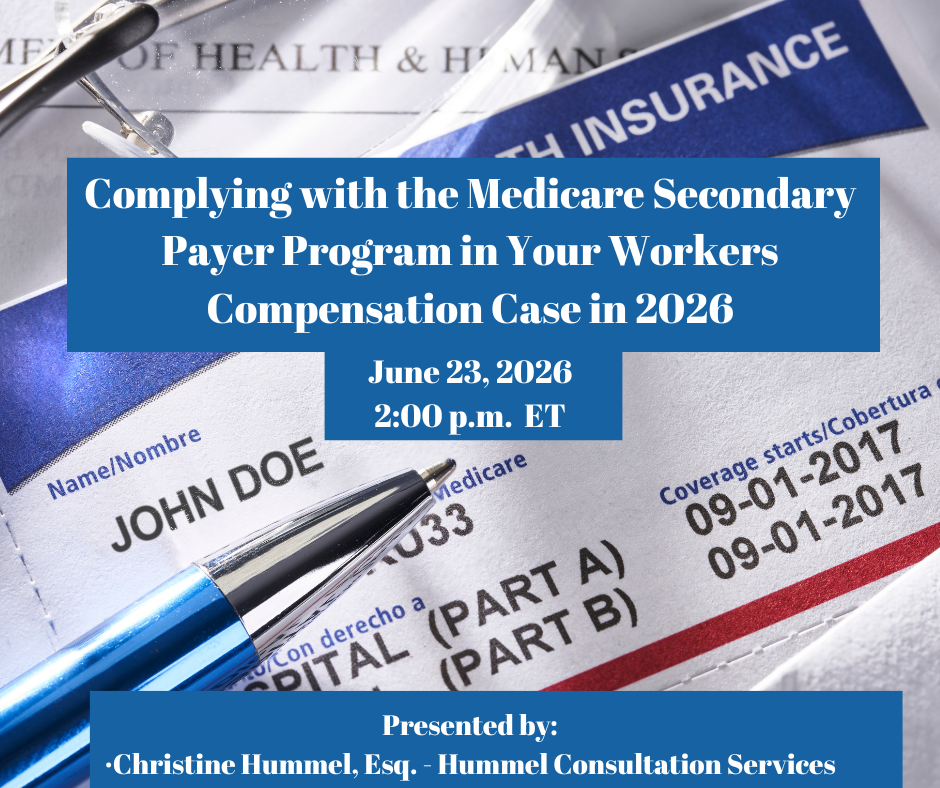
This course will provide a detailed overview of the Medicare Secondary Payer act as well as provide ...
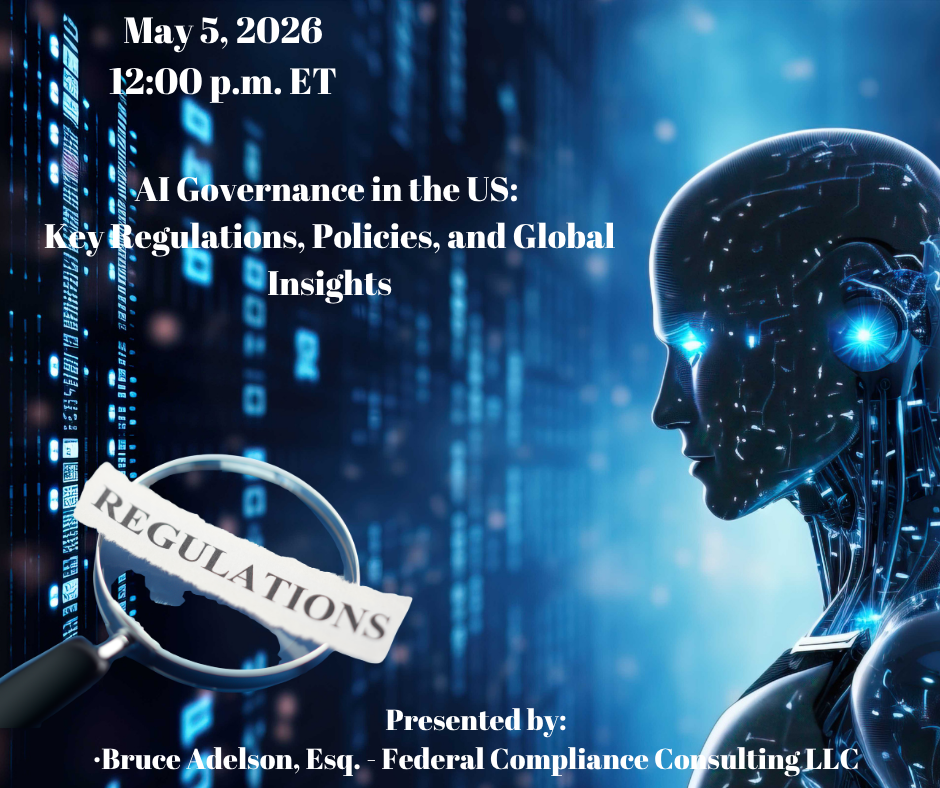
AI, an innovative technology that was once a supporting act for digital transformation, business str...

This program examines critical 2025-2026 developments in patent eligibility for software and AI inve...
Many solo and small law firms assume AI governance is something only large firms need. It is not. AI...
‘A Lawyer’s Guide To Mental Fitness’ is a seminar designed to equip professionals ...

Effective data privacy and artificial intelligence governance programs do not happen by accident. Th...