
Exciting new series on “Voice, Body and Movement for Lawyers – How to connect with the jury and find Justice Through Dramatic Technique!”
Click here to find out more
This program provides a comprehensive analysis of the Sixth Amendment Confrontation Clause as reshaped by Crawford v. Washington and its extensive body of subsequent case law. The presentation traces the evolution from the reliability-based framework of Ohio v. Roberts to the modern testimonial-statement doctrine, explaining when out-of-court statements are barred absent prior cross-examination. Participants will gain a clear understanding of what constitutes testimonial evidence, how availability and unavailability of witnesses are assessed, and how courts apply the primary-purpose test in real trial settings.
The program also addresses key post-Crawford developments, including forfeiture by wrongdoing, surrogate expert testimony, and recent Supreme Court decisions affecting forensic evidence and co-defendant statements. Using detailed hypotheticals and litigation examples, the session equips trial attorneys with practical tools for litigating Confrontation Clause issues through motions in limine, objections, and appellate preservation. The focus remains squarely on doctrine, procedure, and trial application.
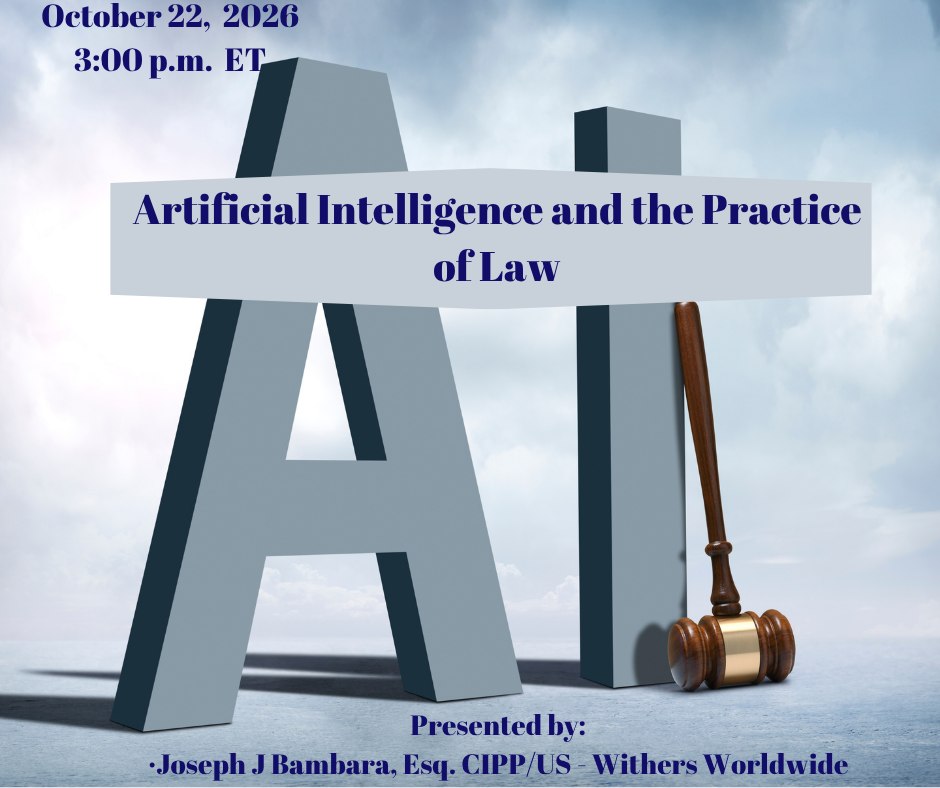
"Artificial Intelligence and the Practice of Law" (updated through 2026), is a 50-slide primer desig...

This course on trade secrets litigation provides real-world best practices through all key stages of...

As the largest purchaser of goods and services in the world, the United States Government requires f...
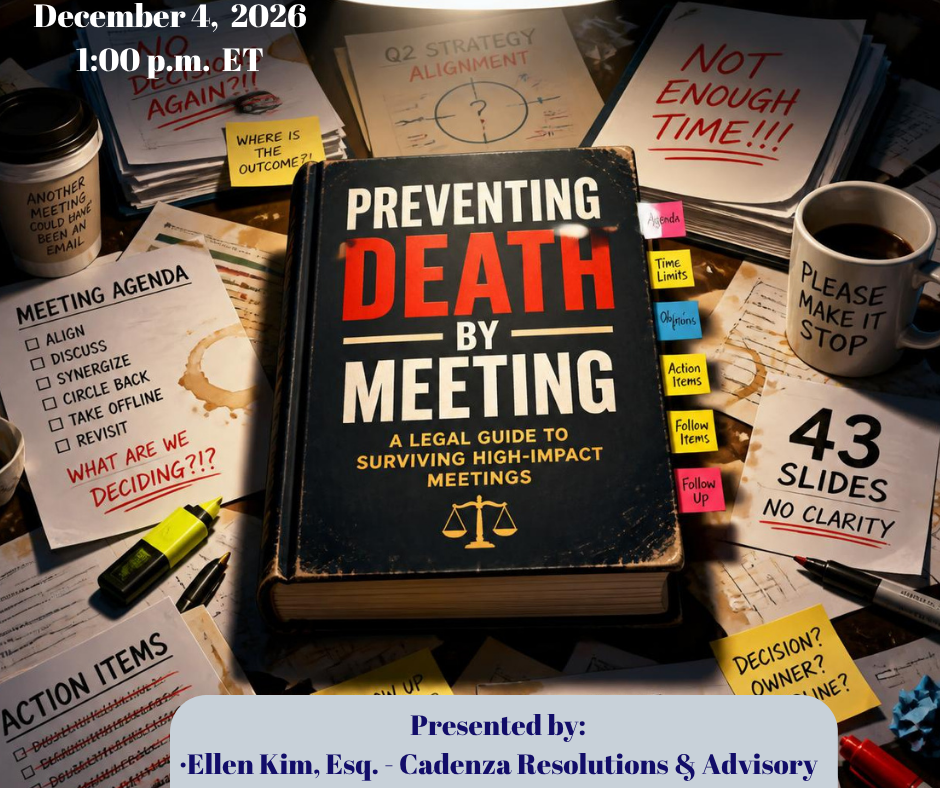
Lawyers lose hundreds of billable and operational hours every year to poorly managed meetings. Unfoc...

Data privacy remains one of the most rapid areas of growth in the class action space. Plaintiffs con...

Class action litigation continues to expand in both number of filings and monetary exposure, with se...
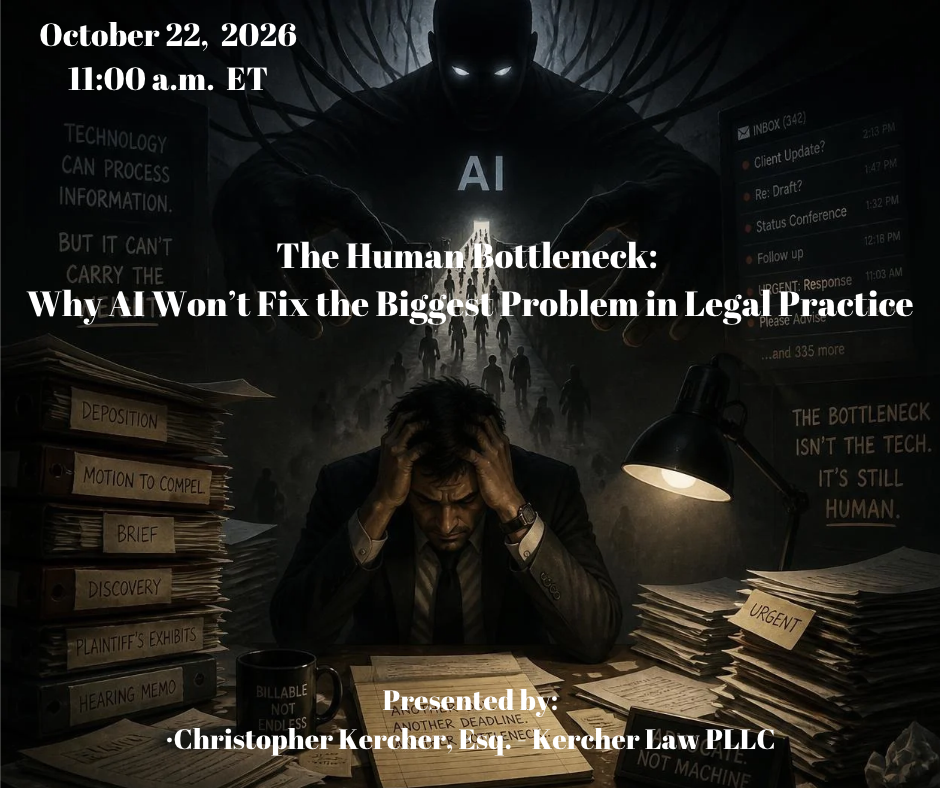
AI tools are advancing faster than legal organizations can absorb them. This program examines why th...

Perfectionism is often rewarded in the legal profession. It drives attention to detail, thorough pre...
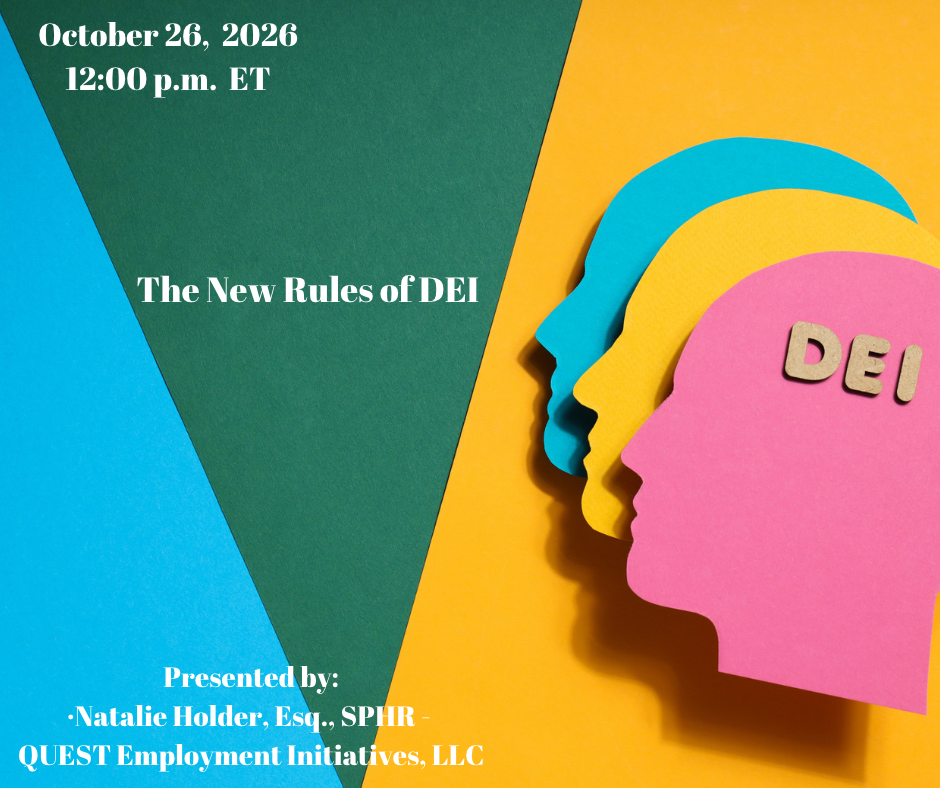
This program will discuss how to design and implement legally sound diversity, equity, and inclusion...
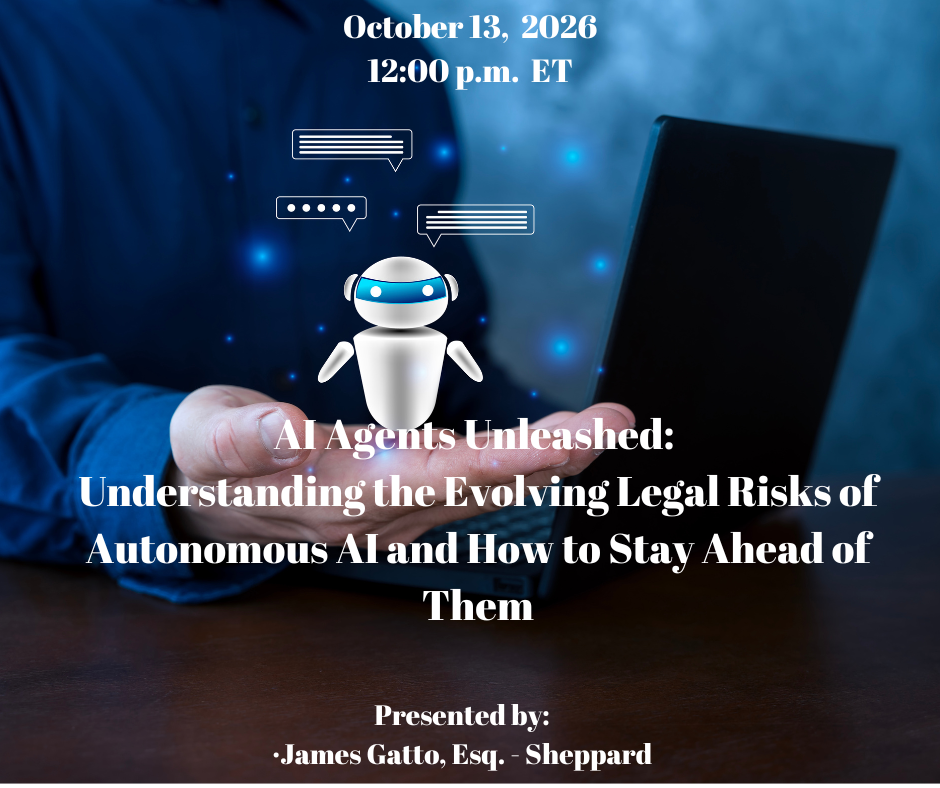
AI agents — autonomous systems capable of planning, deciding, and acting independently across ...