
Exciting new series on “Voice, Body and Movement for Lawyers – How to connect with the jury and find Justice Through Dramatic Technique!”
Click here to find out more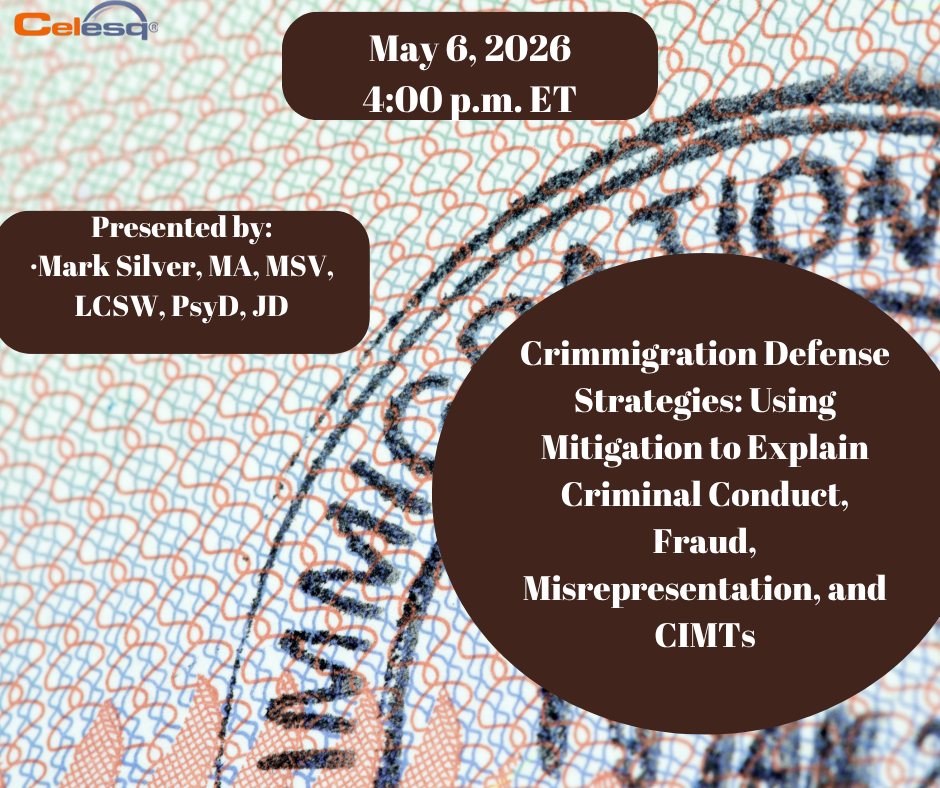
This program addresses the critical intersection of criminal and immigration law, focusing on how mitigation strategies can be used to explain and contextualize criminal conduct in immigration proceedings. Participants will examine how crimes, fraud, misrepresentation, and crimes involving moral turpitude (CIMTs) can be reframed through clinical forensic evaluations.
The course emphasizes mitigation as a distinct and powerful advocacy tool separate from hardship analysis, enabling attorneys to present a more complete and nuanced understanding of the client’s conduct. It also explores how forensic experts can complement legal advocacy by providing insight into psychological and social factors underlying the behavior.
Attorneys will learn how to strategically deploy mitigation in complex immigration cases to improve credibility, strengthen narratives, and support more favorable adjudications.
Learning Objectives:
Explore the transformative potential of generative AI in modern litigation. “Generative AI for...

Electronic information is a common feature of criminal investigations and prosecutions, both federal...

This program provides a comprehensive framework for integrating Borderline Personality Disorder (BPD...

Social media has become a critical marketing and customer engagement channel for legal firms, banks,...
Prior to the Supreme Court’s 2023 affirmative action decision, some predicted that this ruling...
This interactive course is designed to equip legal professionals with the knowledge, tools, and stra...
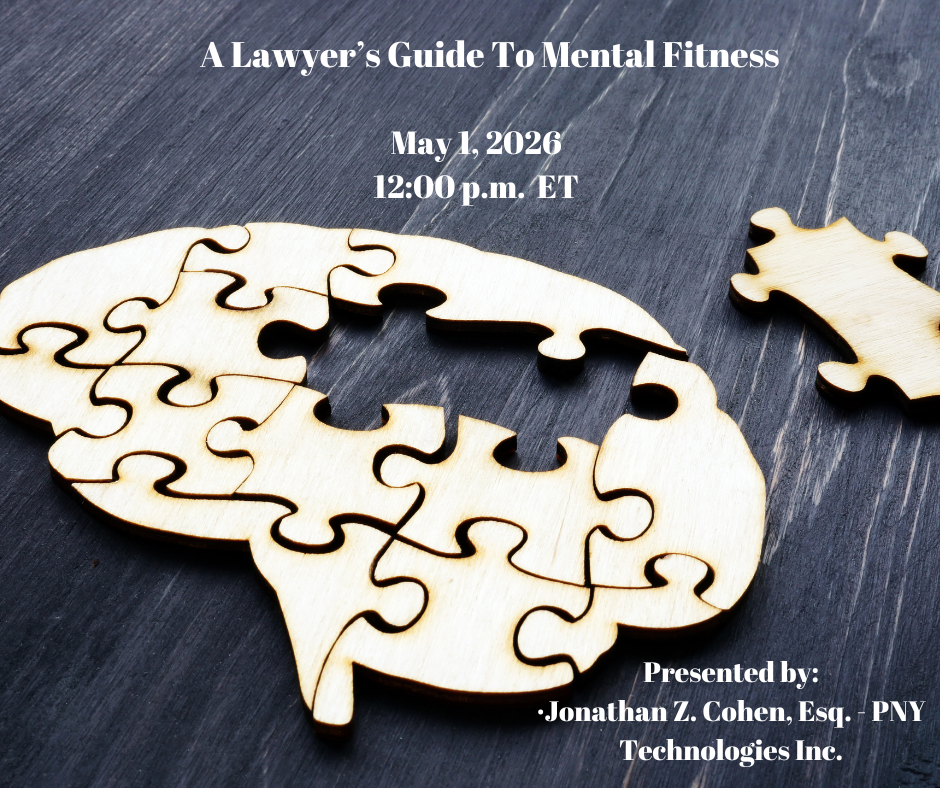
‘A Lawyer’s Guide To Mental Fitness’ is a seminar designed to equip professionals ...
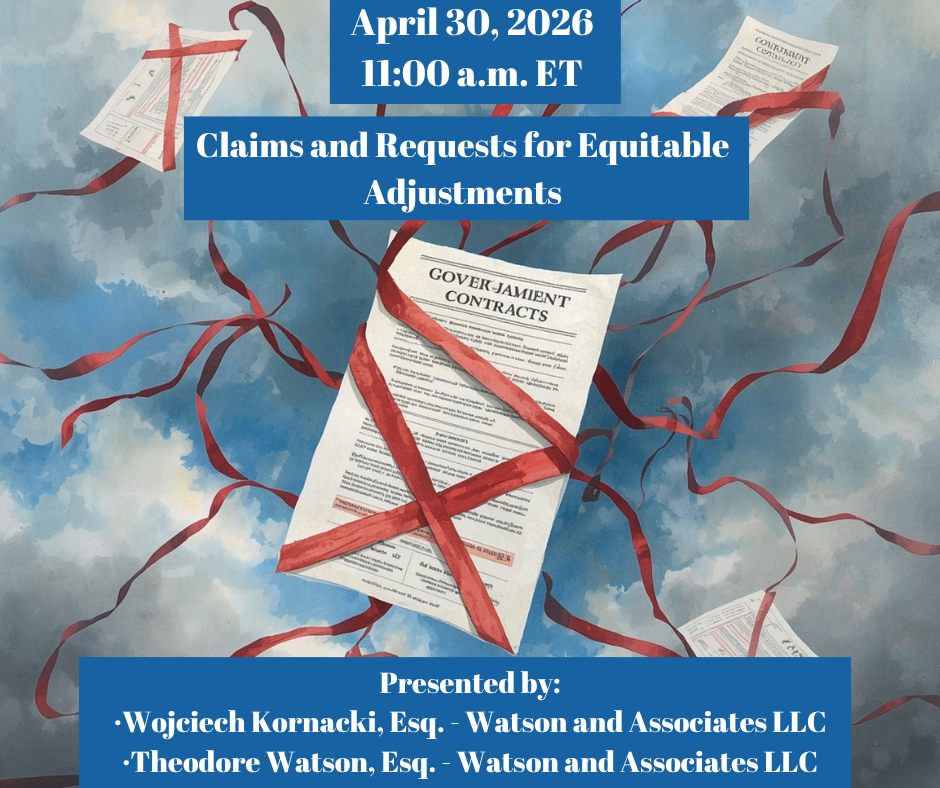
During this presentation, you will learn about the regulations and caselaw controlling claims and re...
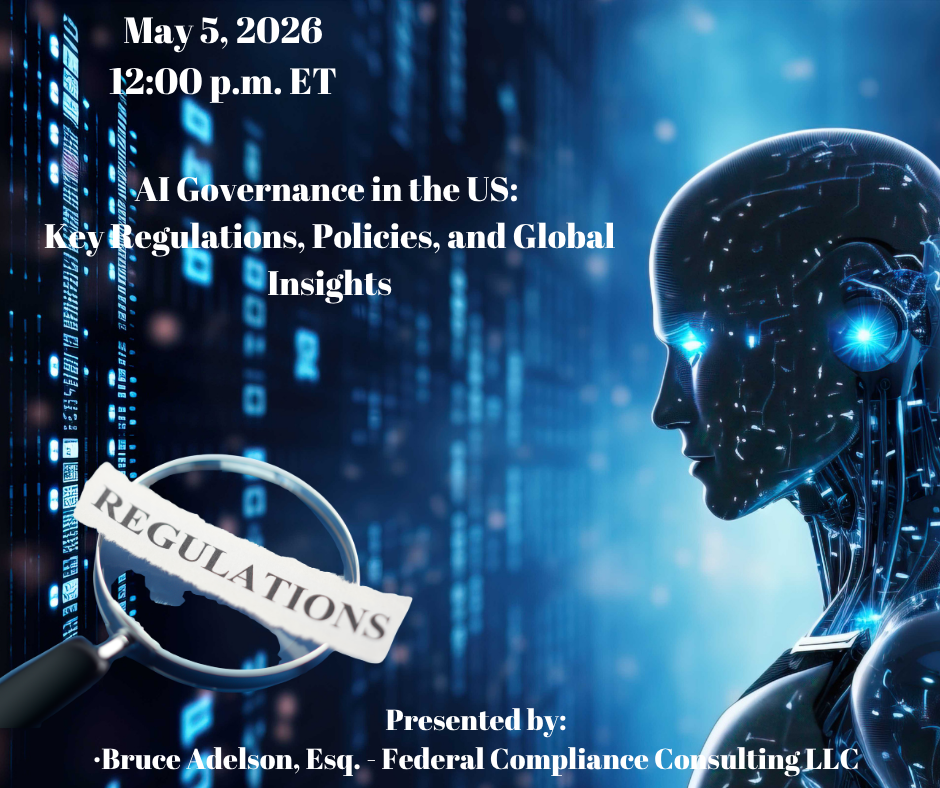
AI, an innovative technology that was once a supporting act for digital transformation, business str...

In “Choosing the Right Business Entity,” I will walk through the issues that matter most...