
Exciting new series on “Voice, Body and Movement for Lawyers – How to connect with the jury and find Justice Through Dramatic Technique!”
Click here to find out more
Part 1 of 2 - In this presentation, I will discuss strategies for cross-examining expert witnesses. We'll begin with an overview of the rules of evidence governing experts as well as the case law. I'll discuss the importance of thorough preparation, including investigating the expert's credentials and potential biases, learning the relevant terminology, retaining one's own expert, and using things like demonstrative aids and learned treatises. I'll also provide examples of effective cross-examinations from cases and outline ten principles for cross-examining an expert witness.
Class action litigation presents significant legal and business challenges for employers and corpora...
Confidentiality Agreements (also called NDAs) are too often treated as routine. So routine, th...
Class action waivers in arbitration agreements remain enforceable, but a decade of U.S. Supreme Cour...
Class action litigation continues to expand in both number of filings and monetary exposure, with se...
The practice of law places legal professionals under extraordinary and often chronic stress, making ...
New York City’s new Non-Primary Residence Property Surcharge—commonly known as the pied-...
Data privacy remains one of the most rapid areas of growth in the class action space. Plaintiffs con...
As the largest purchaser of goods and services in the world, the United States Government requires f...
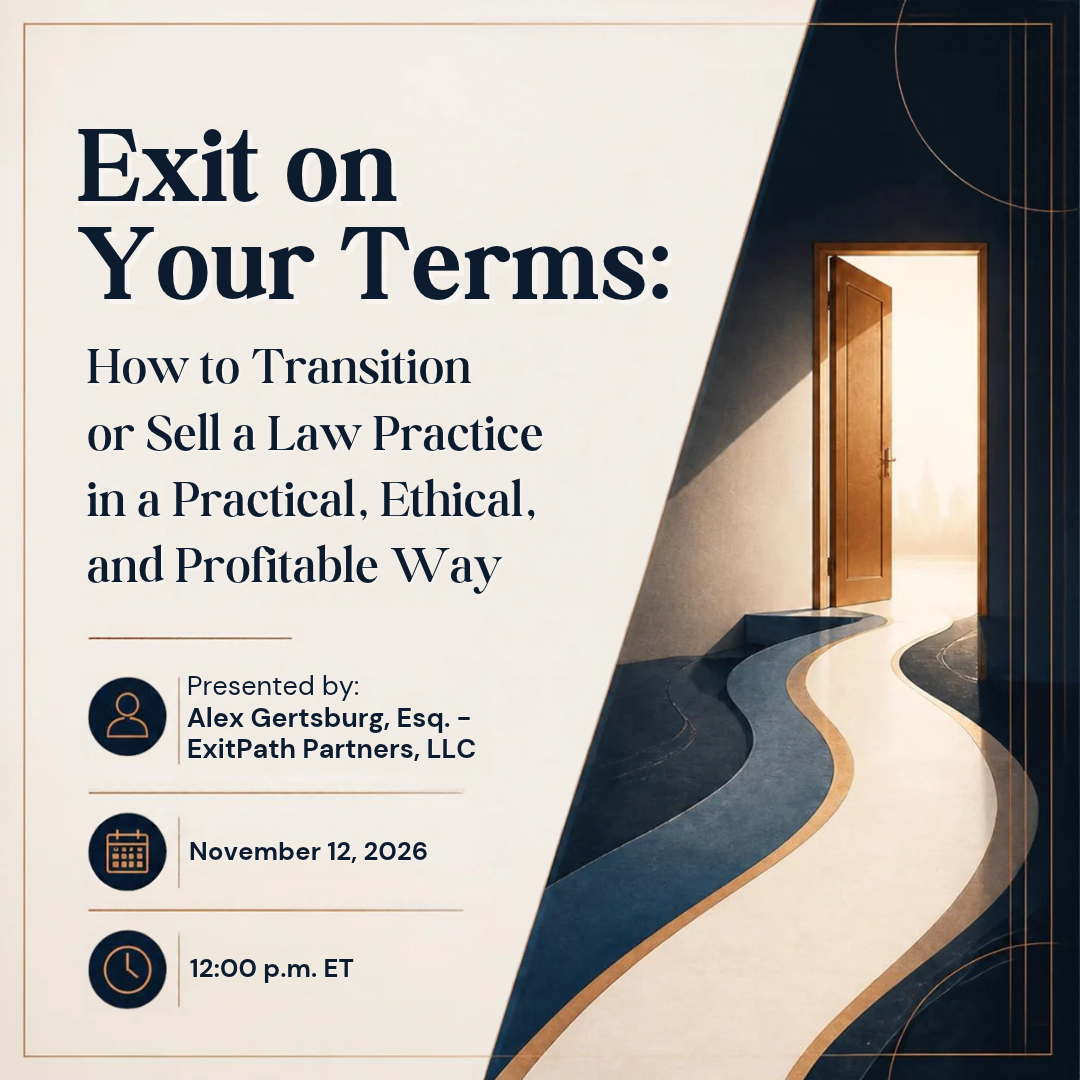
Turn decades of client relationships into lasting equity. This practical CLE shows attorneys how to ...
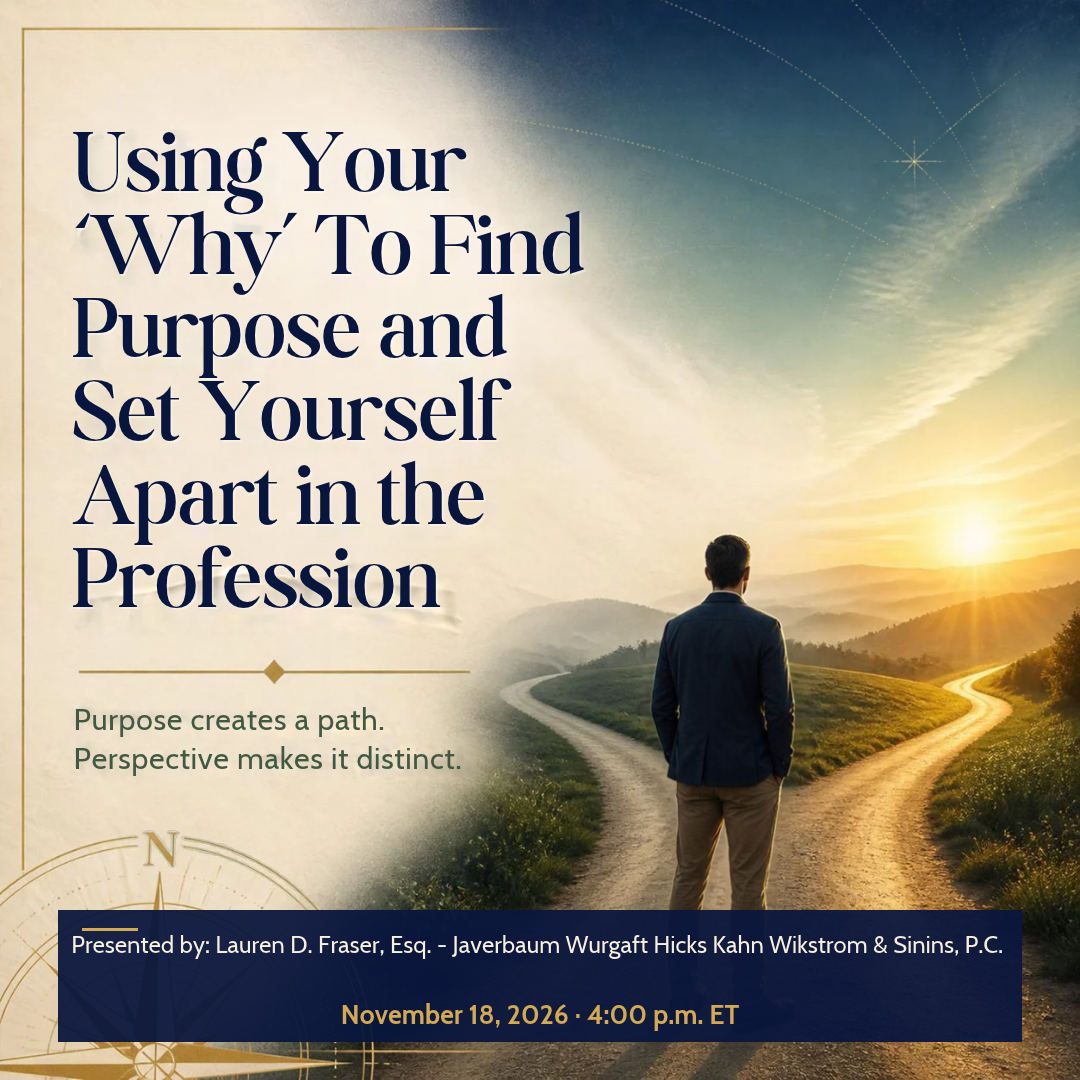
This course is meant for lawyers of all levels and areas of practice, and in it, we will explore way...