
Exciting new series on “Voice, Body and Movement for Lawyers – How to connect with the jury and find Justice Through Dramatic Technique!”
Click here to find out more
Intellectual Property Lawyers are specialists in their own right—because patent and trademark law is quite unique. As such, the ethical issues related to such practice areas is often difficult to understand. This course aims to provide background that IP attorneys can take to ensure their conduct conforms to the USPTO Rules of Professional Conduct.
The presenter, Emil J. Ali, is a registered patent attorney who focuses his practice on USPTO ethics and disciplinary matters. The course provides practical advice on how practitioners can spot issues and conform their conduct to best practice and the USPTO’s rules. This course is aimed at experienced IP practitioners who practice before the USPTO.
The course will cover the USPTO’s regulatory power, as well as what constitutes practice before the USPTO under 37 CFR 11.5. The presenter will also discuss the supervision requirements for supervising attorneys under 37 CFR 11.501-11.503, conflicts under 11.107-11.109, subject matter conflicts best practices, candor obligations under 37 CFR 11.303 and 11.18, and signature obligations under 37 CFR 1.4 and 2.193.

I was wrongfully separated from the military and I will get no military pay and disability retiremen...
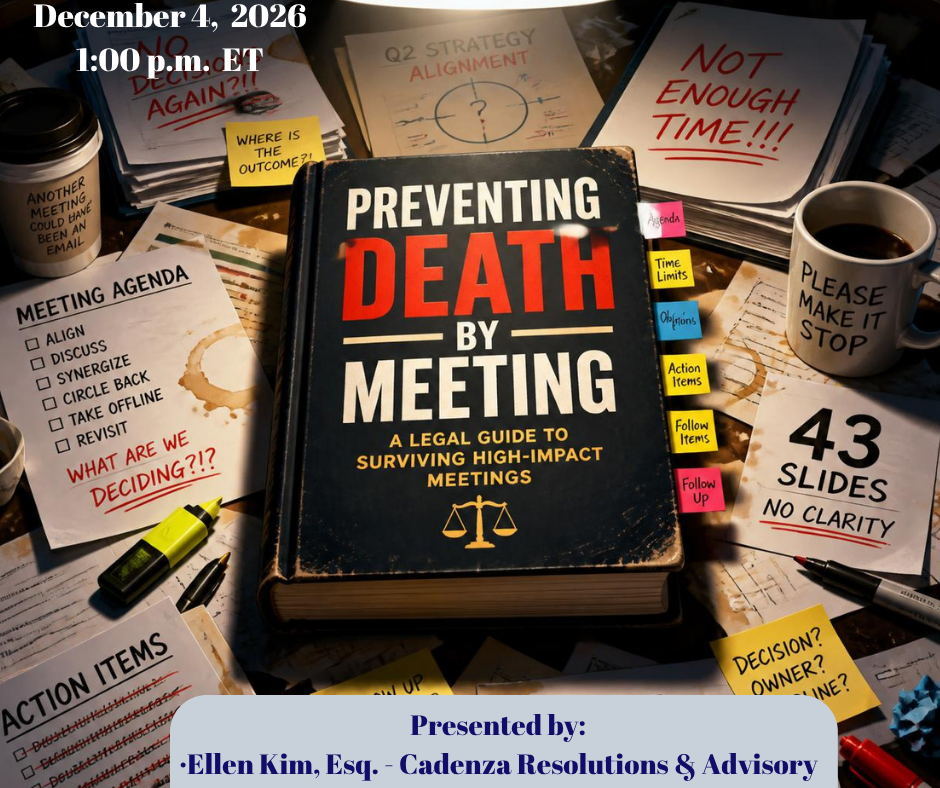
Lawyers lose hundreds of billable and operational hours every year to poorly managed meetings. Unfoc...
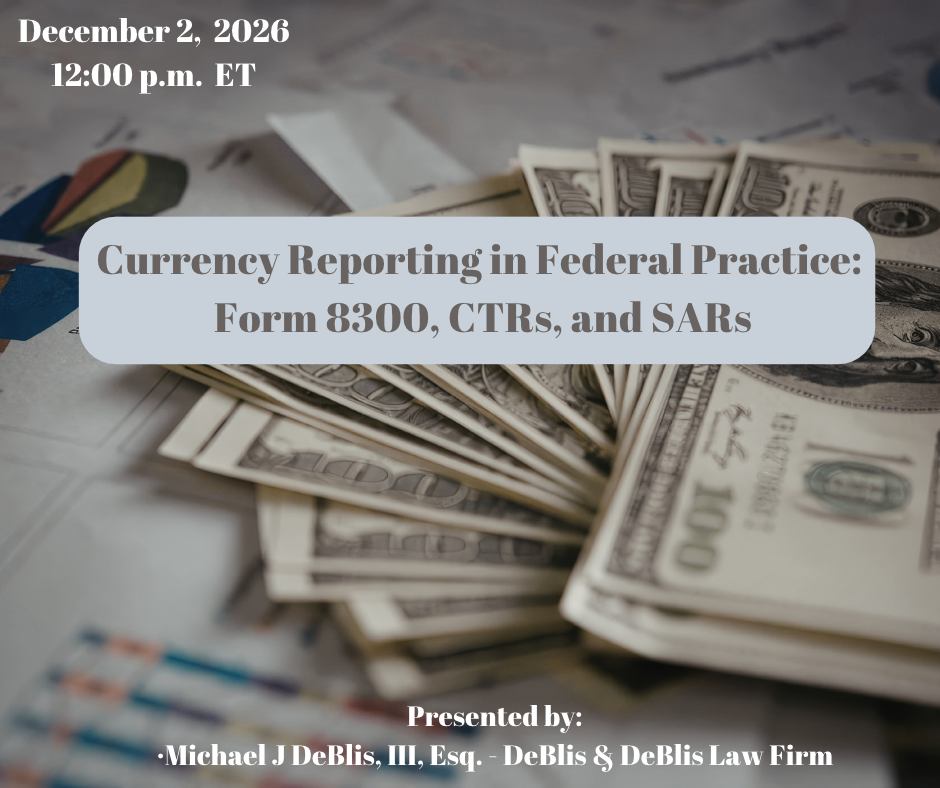
This program provides trial attorneys with a thorough grounding in the three principal currency repo...
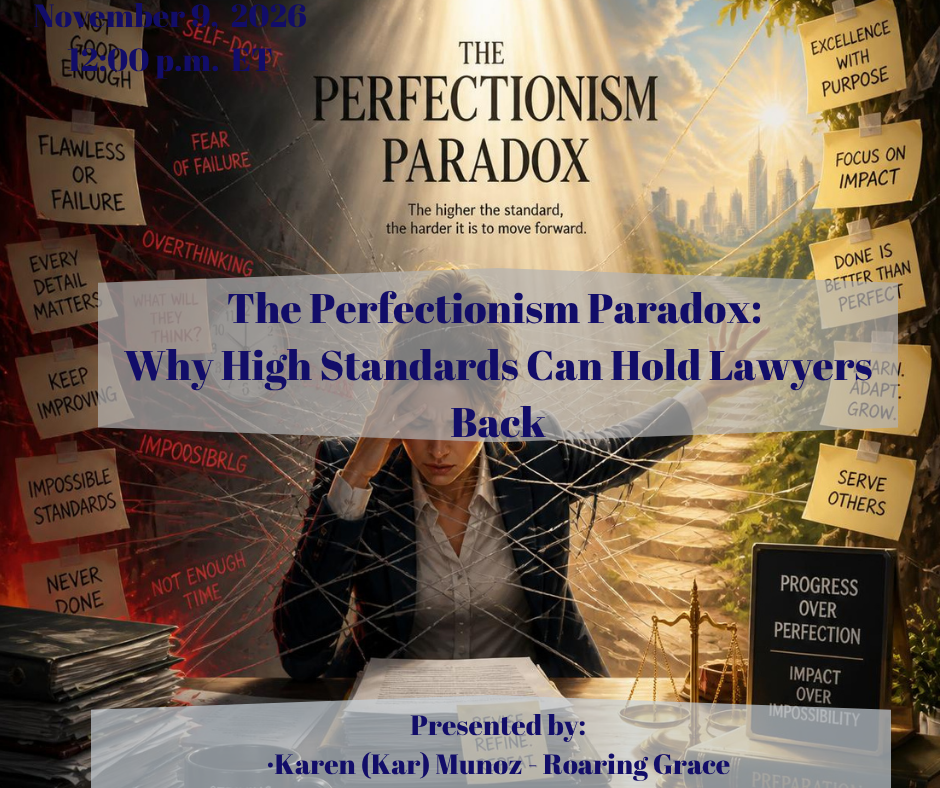
Perfectionism is often rewarded in the legal profession. It drives attention to detail, thorough pre...

This course is meant for lawyers of all levels and areas of practice, and in it, we will explore way...
During this course you will take a deep dive into federal bid protest litigation at the U.S. Court o...

Turn decades of client relationships into lasting equity. This practical CLE shows attorneys how to ...
Data privacy remains one of the most rapid areas of growth in the class action space. Plaintiffs con...
Confidentiality Agreements (also called NDAs) are too often treated as routine. So routine, th...
This course on trade secrets litigation provides real-world best practices through all key stages of...