
Exciting new series on “Voice, Body and Movement for Lawyers – How to connect with the jury and find Justice Through Dramatic Technique!”
Click here to find out more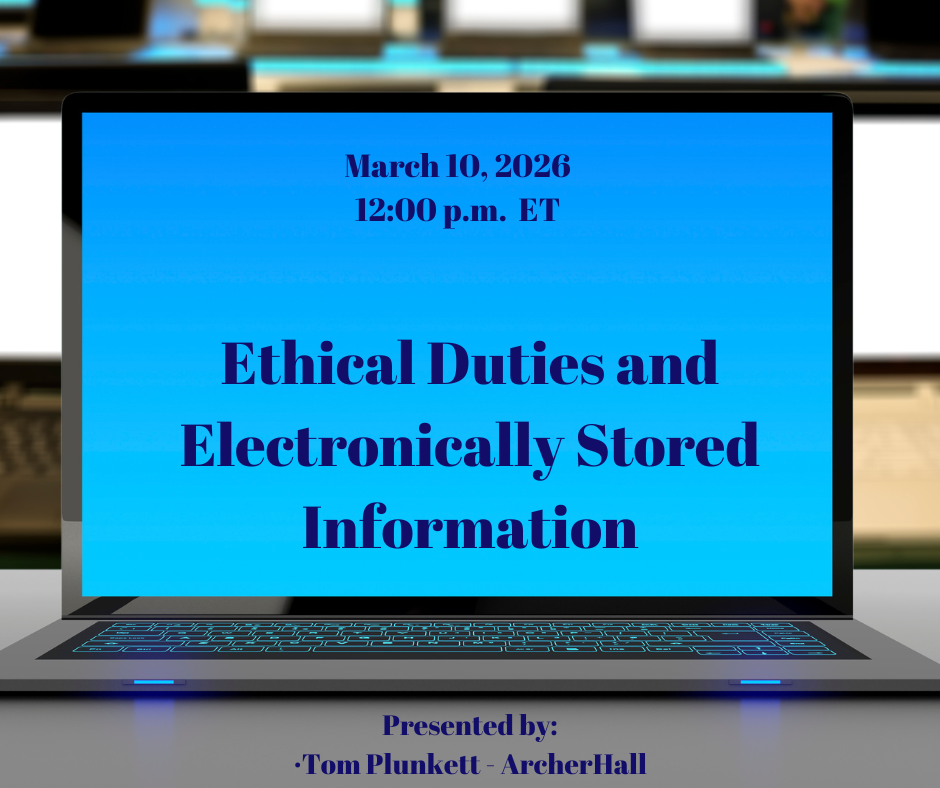
This CLE program examines attorneys’ ethical duties in managing electronically stored information (ESI) throughout the discovery process, with a particular focus on competence, confidentiality, and preservation obligations. The presentation defines ESI broadly—encompassing emails, documents, metadata, cloud data, mobile devices, social media, and emerging technologies—and explains how eDiscovery and digital forensics are used to locate, preserve, analyze, and produce electronic evidence. Through a detailed hypothetical case study, the program illustrates how inadequate supervision, poor search methodology, and failure to understand a client’s ESI systems can lead to overproduction, disclosure of proprietary information, spoliation allegations, and potential sanctions.
The course also provides an in-depth overview of State Bar Formal Opinion 2015-193, outlining the nine core competencies attorneys must possess or obtain when handling ESI. These include assessing eDiscovery needs, implementing timely and forensically sound preservation procedures, identifying custodians, conducting meaningful meet-and-confer discussions, executing defensible searches, and producing ESI in appropriate formats with relevant metadata intact. Emphasis is placed on recognizing when technical expertise is required, properly engaging forensic or eDiscovery professionals, and avoiding reliance on IT staff or clawback agreements alone. Overall, the program underscores how evolving technology continually raises the standard of competence and why proactive, informed ESI management is essential to protecting client interests and maintaining ethical compliance.
ABA Model Rule 1.1 (Competence)
Requires lawyers to provide competent representation, including maintaining the legal knowledge, skill, and preparation reasonably necessary for the representation. Comment 8 specifically addresses the duty to understand the benefits and risks associated with relevant technology, which directly applies to eDiscovery and ESI management.
ABA Model Rule 1.3 (Diligence)
Obligates attorneys to act with reasonable diligence and promptness. In the ESI context, this includes timely identification, preservation, and review of electronically stored information to avoid spoliation or discovery failures.
ABA Model Rule 1.4 (Communication)
Requires lawyers to keep clients reasonably informed. This includes advising clients about ESI preservation obligations, discovery risks, costs, and limitations of search methodologies.
ABA Model Rule 1.6 (Confidentiality of Information)
Prohibits disclosure of client information and requires reasonable efforts to prevent inadvertent or unauthorized disclosure. Overproduction of ESI, inadequate privilege review, or poor supervision of vendors may implicate this rule.
ABA Model Rule 3.4 (Fairness to Opposing Party and Counsel)
Prohibits unlawful destruction, alteration, or concealment of evidence and improper discovery conduct, including failures to preserve ESI or the production of misleading or incomplete electronic evidence.
ABA Model Rule 5.1 (Responsibilities of Supervisory Lawyers)
Requires supervising attorneys to ensure that subordinate lawyers’ conduct complies with ethical rules, including work related to eDiscovery and document review.
ABA Model Rule 5.3 (Responsibilities Regarding Nonlawyer Assistance)
Governs supervision of nonlawyers, including eDiscovery vendors, forensic experts, contract reviewers, and IT personnel, requiring reasonable efforts to ensure their conduct is compatible with the lawyer’s ethical obligations.
State Bar of California Formal Opinion No. 2015-193
Articulates nine core eDiscovery competencies attorneys must possess or acquire when handling ESI, including preservation, search methodology, production formats, and appropriate engagement of technical experts.
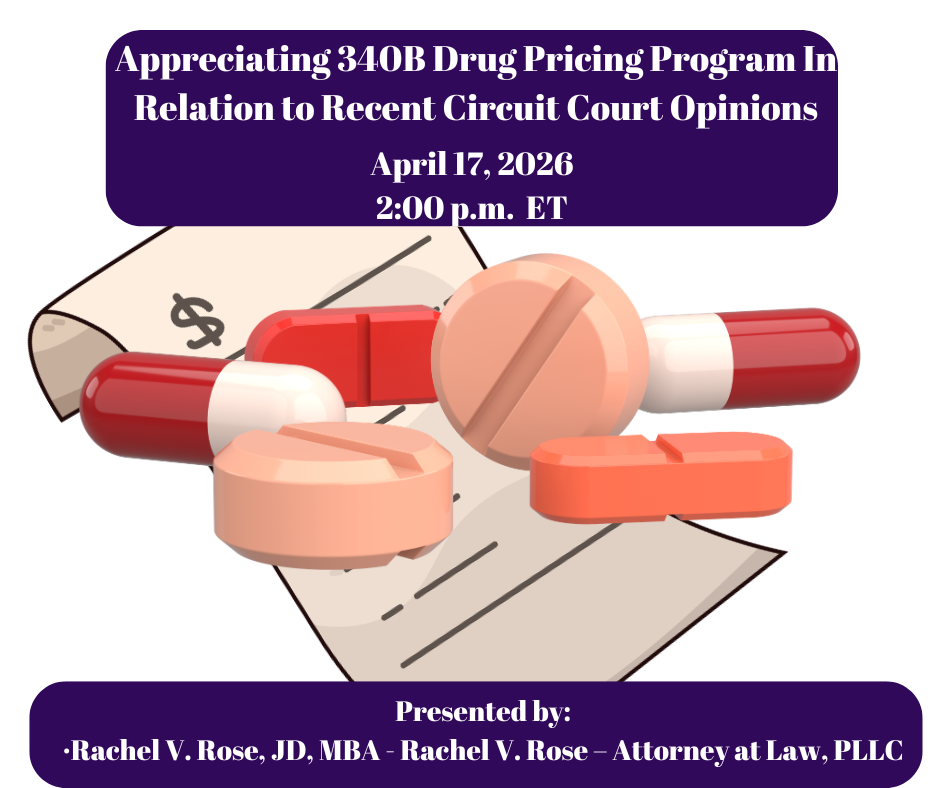
Established in 1992, the 340B Drug Pricing Program has many nuances and applications to different si...
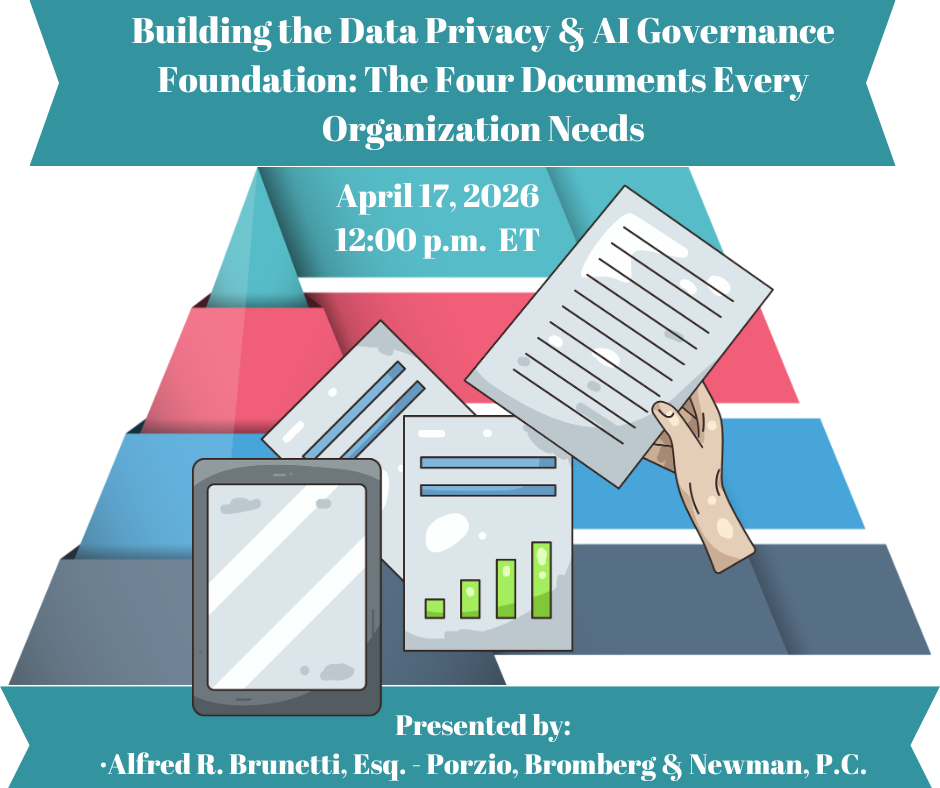
Effective data privacy and artificial intelligence governance programs do not happen by accident. Th...

This program examines listening as an active, strategic trial advocacy skill rather than a passive c...
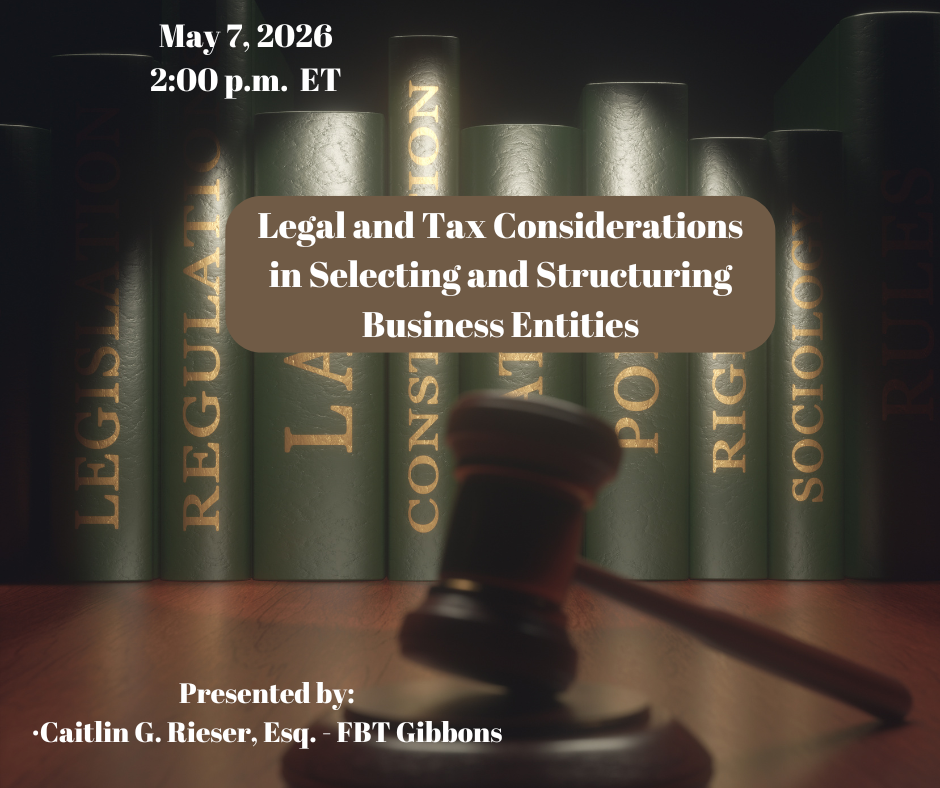
In “Choosing the Right Business Entity,” I will walk through the issues that matter most...

This course will provide a detailed overview of the Medicare Secondary Payer act as well as provide ...
Explore the transformative potential of generative AI in modern litigation. “Generative AI for...

In this second segment we will continue with our journey into the multiple elements of high-level ne...

Contracting with the Federal Government is not like a business deal between two companies or a contr...

Aligning Your Legal Career with Your Values, explores the profound impact of values alignment on ind...

The program will cover the key issues for lawyer leaving government employment including the nuances...