
Exciting new series on “Voice, Body and Movement for Lawyers – How to connect with the jury and find Justice Through Dramatic Technique!”
Click here to find out more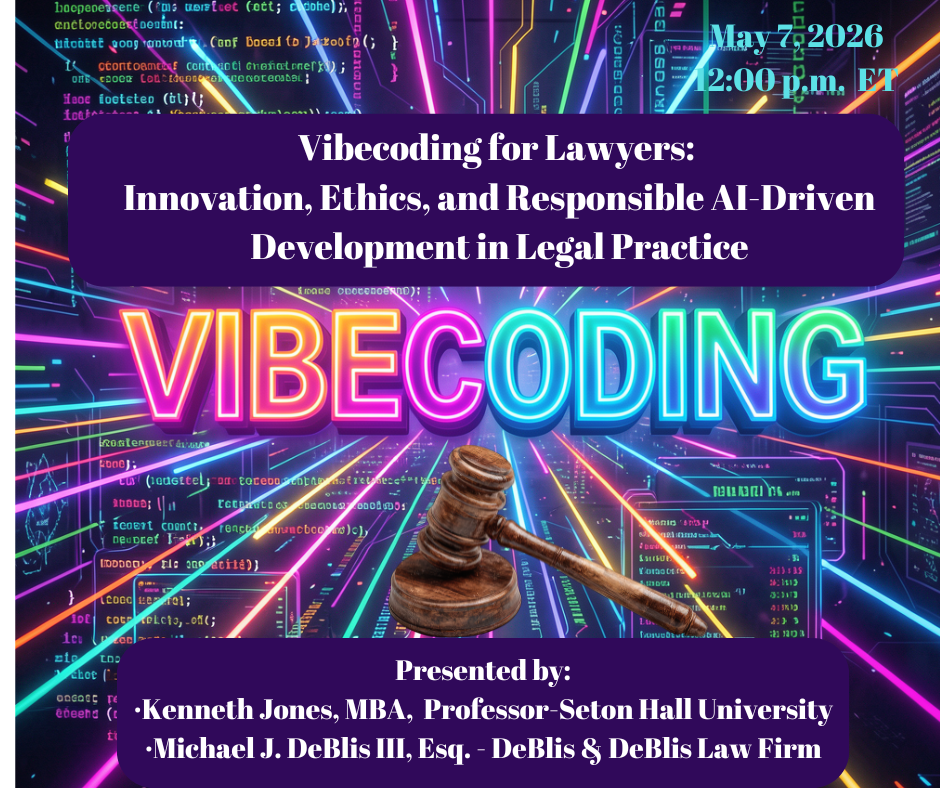
This program provides attorneys with a practical and ethical framework for understanding and responsibly leveraging “vibecoding” — the use of generative AI tools to rapidly build applications, workflows, and internal legal solutions without traditional software development. Designed specifically for legal practitioners, the session examines how AI-enabled citizen development can improve efficiency, client service, and innovation while maintaining compliance with professional obligations.
Attorneys will learn:
The program specifically addresses ABA Model Rules of Professional Conduct 1.1 (Competence, including technological competence), 1.6 (Confidentiality of Information), 5.1 and 5.3 (Responsibilities of Partners, Managers, and Supervisory Lawyers and Nonlawyer Assistance), and 1.4 (Communication with Clients where AI tools materially affect representation), and discusses practical steps attorneys can take to remain compliant while innovating responsibly.
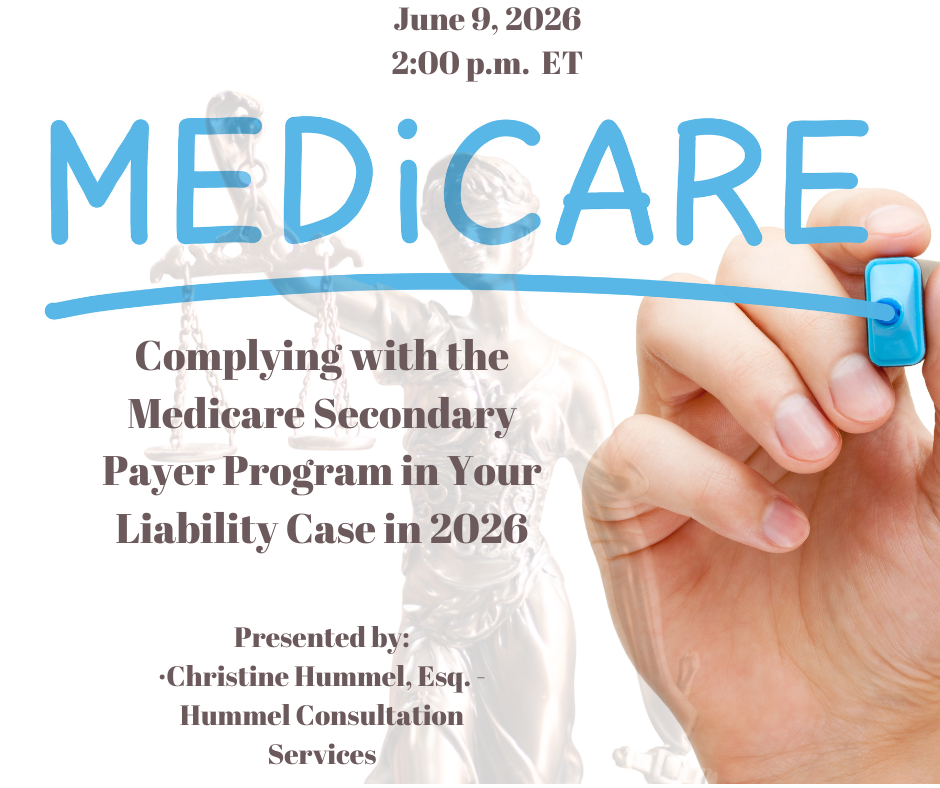
This course will provide a detailed overview of the Medicare Secondary Payer act as well as provide ...
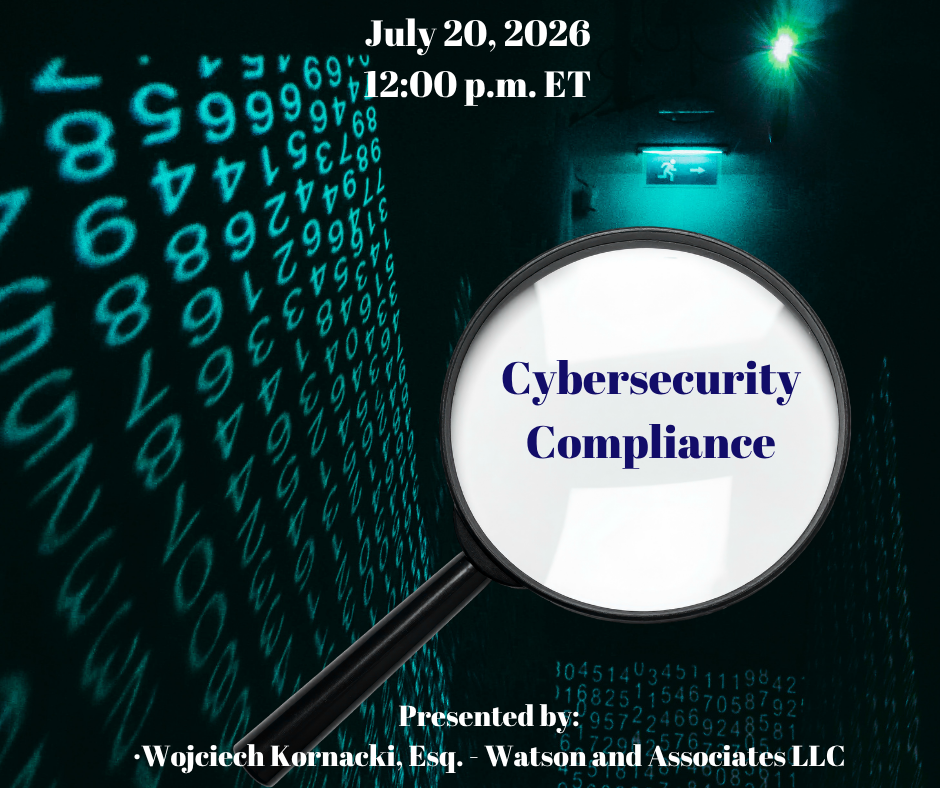
This course analyzes federal contractor cyber security obligations under the Federal Acquisition Reg...
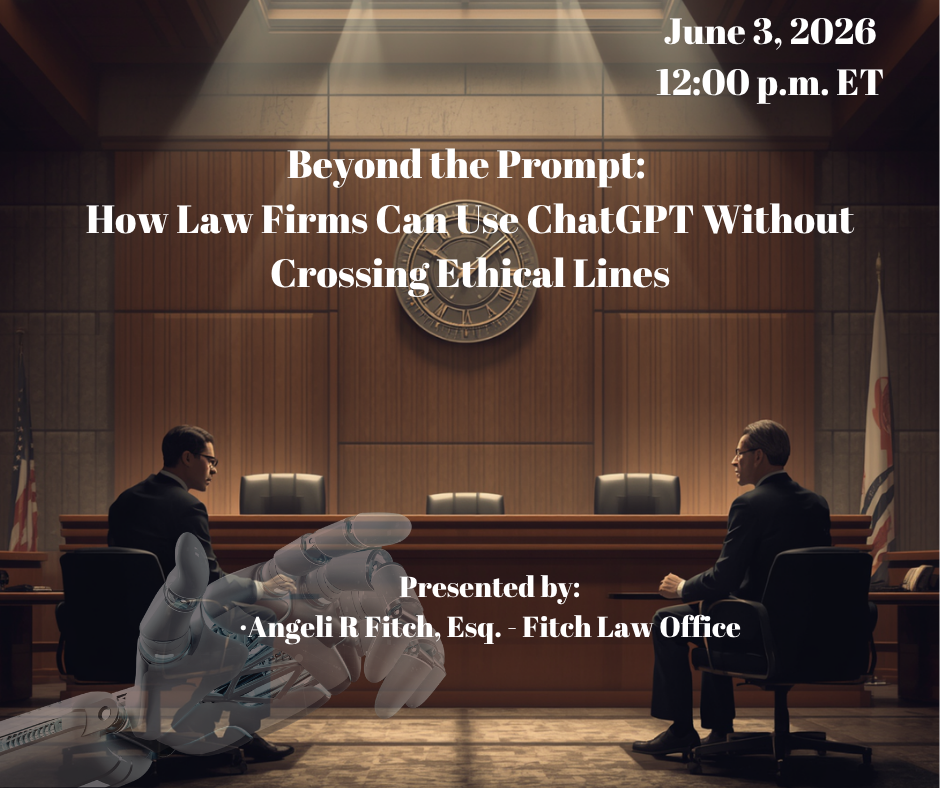
ChatGPT is rapidly entering law firm workflows, including drafting, summarizing, brainstorming, lega...
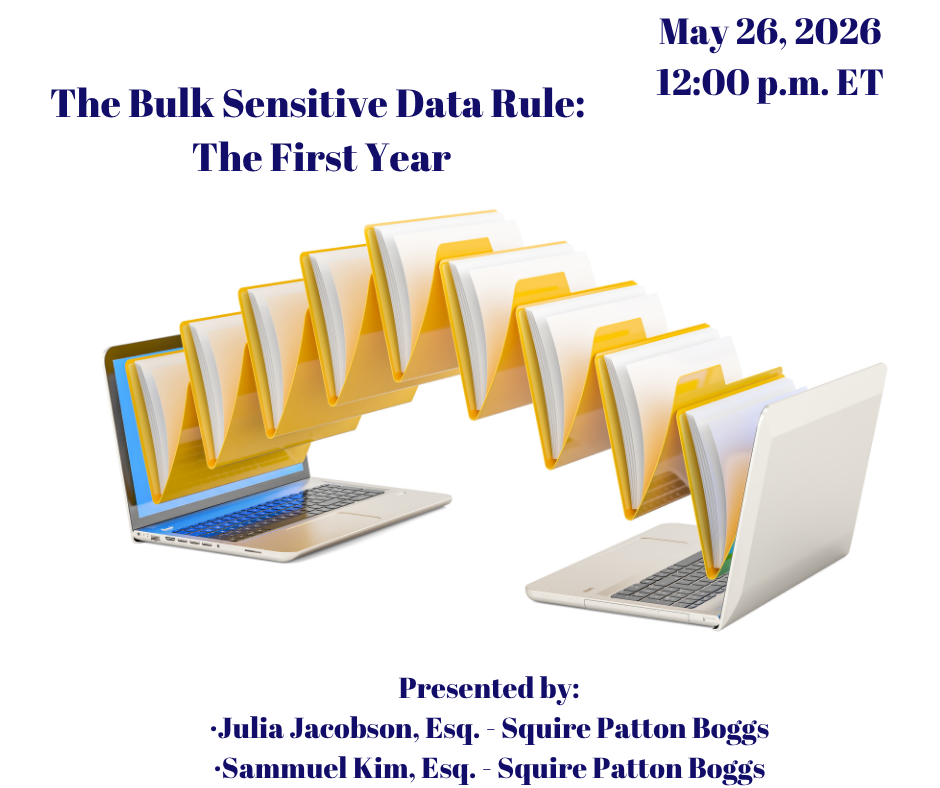
The “Preventing Access to U.S. Sensitive Personal Data and Government-Related Data by Countrie...
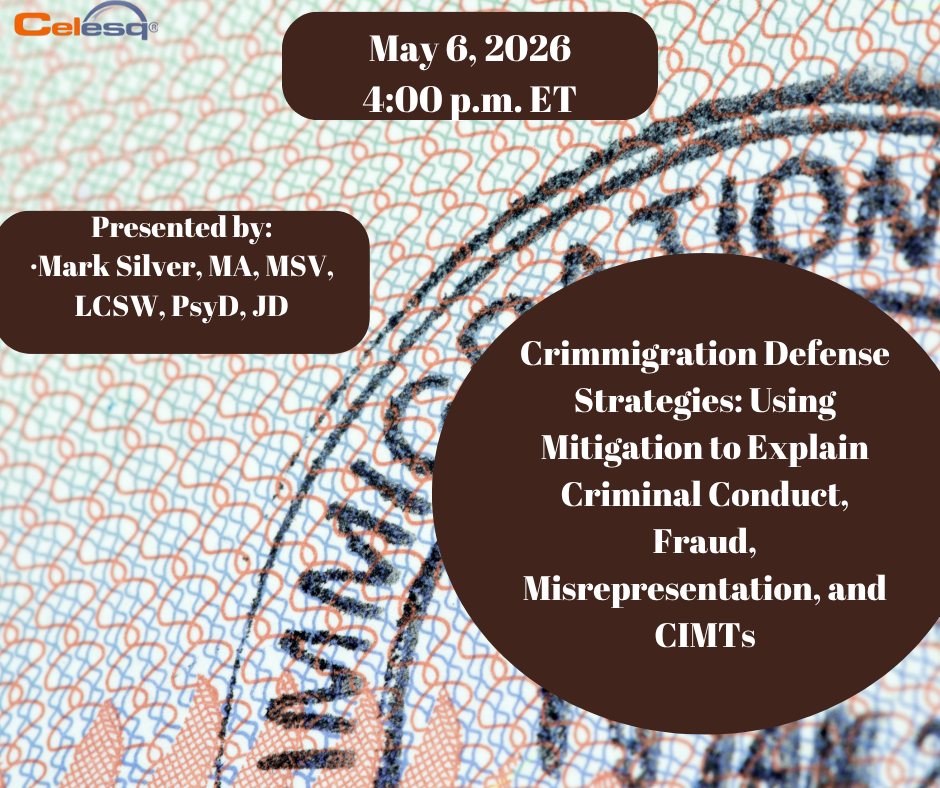
This program addresses the critical intersection of criminal and immigration law, focusing on how mi...
Effective representation depends on trust, communication, and responsiveness, yet these can break do...
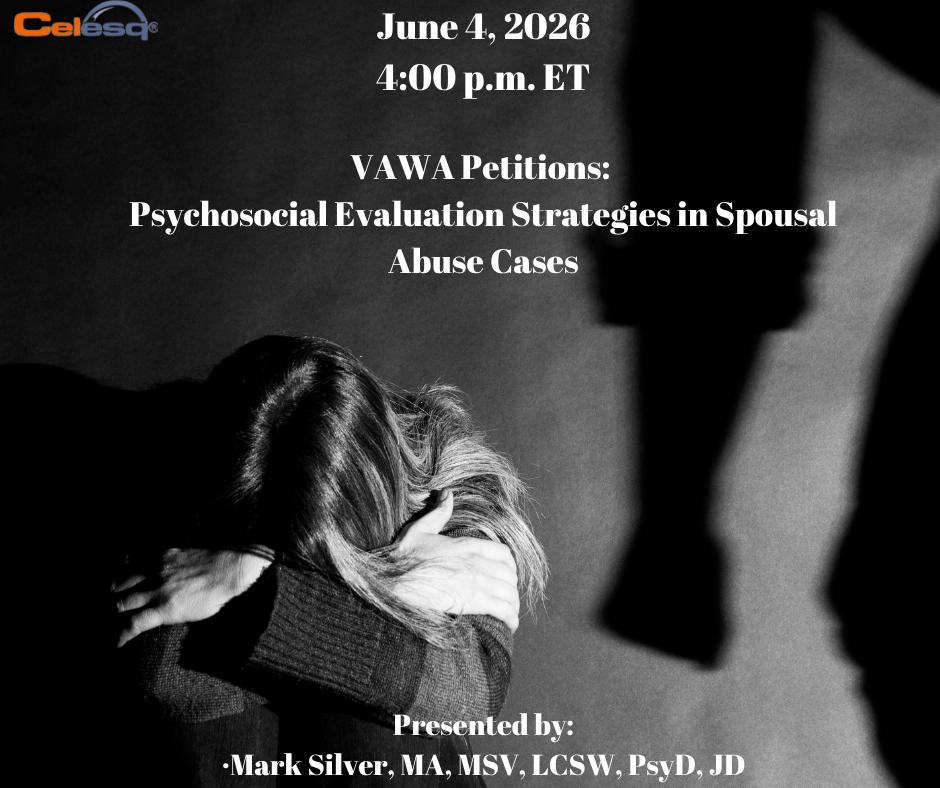
This program examines the role of psychosocial evaluations in spousal abuse-based immigration petiti...
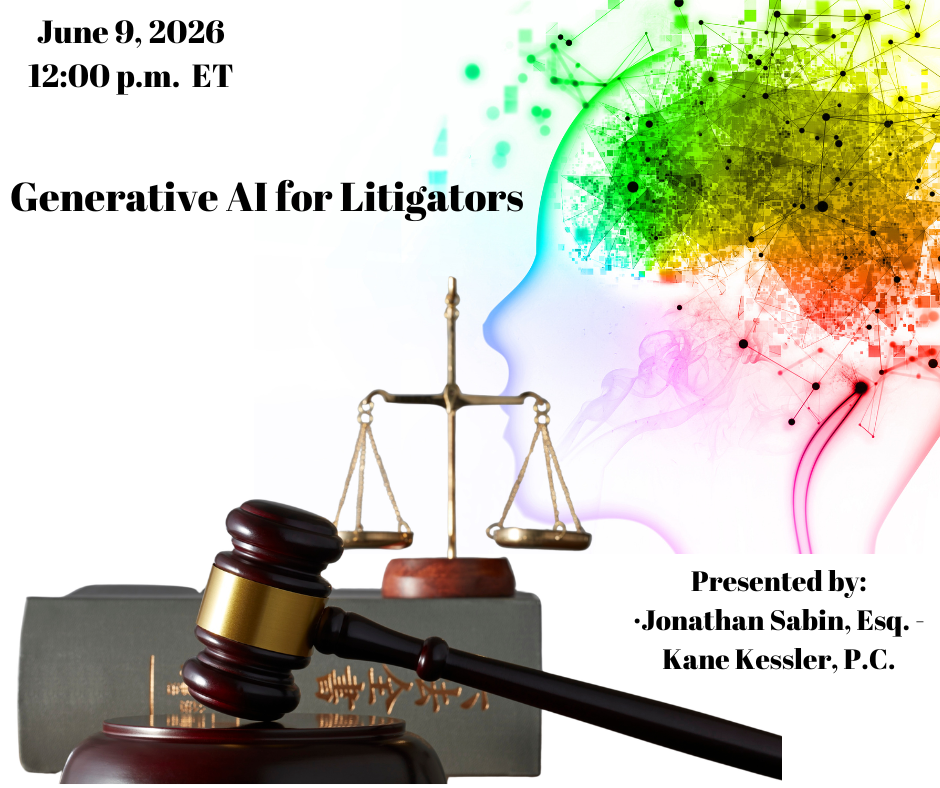
Explore the transformative potential of generative AI in modern litigation. “Generative AI for...
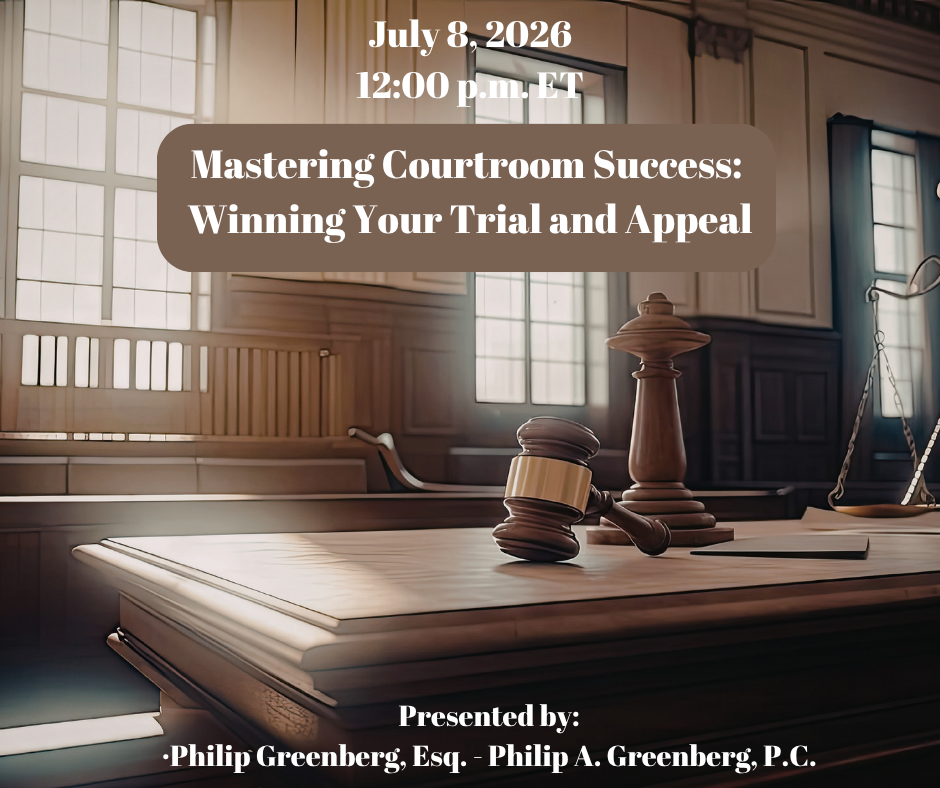
Philip A. Greenberg, Esq., who has been a litigator in the State and Federal Com1s for 52 years, has...
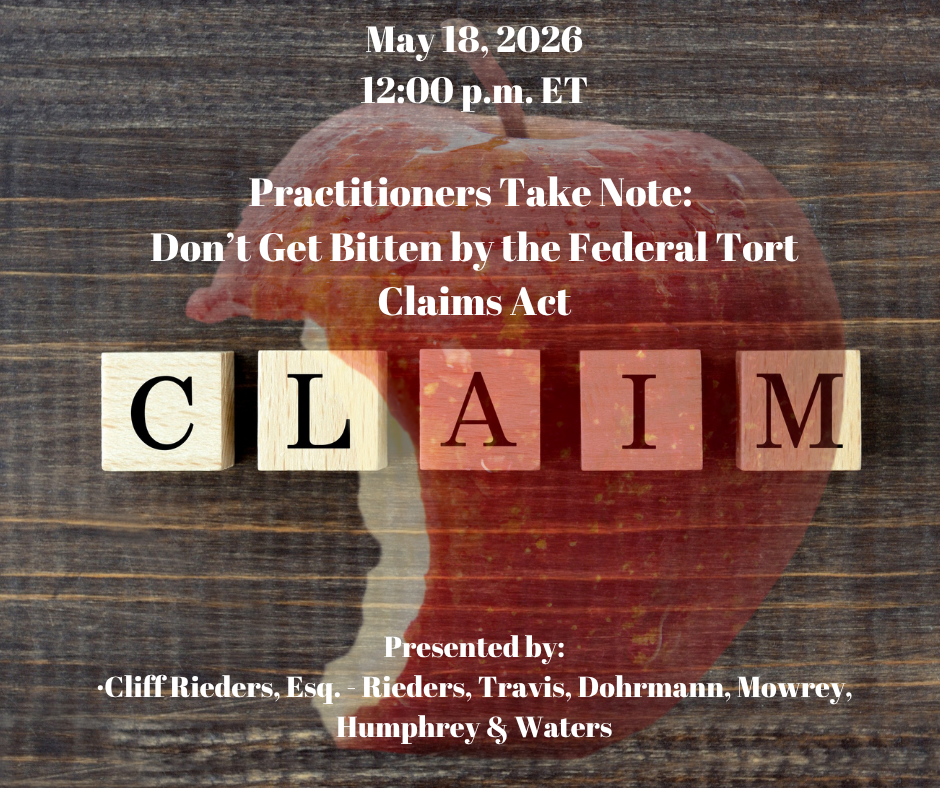
The Federal Tort Claims Act is the way that the federal government is sued for negligence. There are...