
Exciting new series on “Voice, Body and Movement for Lawyers – How to connect with the jury and find Justice Through Dramatic Technique!”
Click here to find out more
Many malpractice cases filed against lawyers involve allegations of conflict of interest. As a matter of professional ethics, lawyers are prohibited from accepting (or continuing) representations where there is a conflict of interest.
This course will provide an overview of the conflict-of-interest rules, including discussion of Model Rules of Professional Conduct 1.7 and 1.9 and their New York counterparts. The course will then discuss the elements of malpractice claims and how they apply to allegations of ethical conflicts of interest, with a focus on defending against malpractice claims. Finally, we will discuss issues surrounding discovery of a firm’s conflicts clearing process and the internal discussions regarding potential conflicts, including best practices in a firm’s internal conflicts vetting process.
Learning Objectives:
• A firm grounding in the purpose and application of professional ethics rules regarding conflict of interest.
• A clear understanding of how allegations of conflict of interest can impact a claim for malpractice, as well as the limitations of such allegations in terms of stating a viable claim for malpractice.
• Analysis of the assertion of attorney-client privilege against the client-plaintiff with regard to discovery of the conflict clearing actions and discussions within the defendant law firm. This will also include a discussion of best practices in conducting internal conflict reviews generally.

New York City’s new Non-Primary Residence Property Surcharge—commonly known as the pied-...

This program provides a practical roadmap to mastering every stage of the discovery process in civil...

Data privacy remains one of the most rapid areas of growth in the class action space. Plaintiffs con...
2026 was a very important year when it comes to federal procurement developments, Artificial Intelli...
This program provides trial attorneys with a thorough grounding in the three principal currency repo...
Class action waivers in arbitration agreements remain enforceable, but a decade of U.S. Supreme Cour...
This course on trade secrets litigation provides real-world best practices through all key stages of...
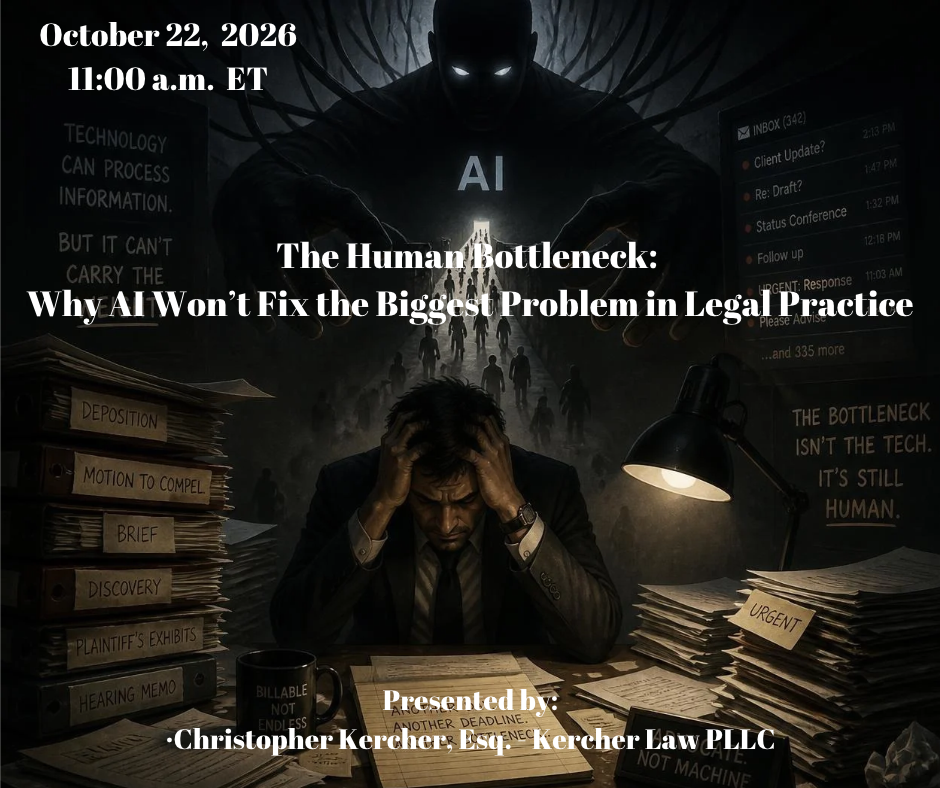
AI tools are advancing faster than legal organizations can absorb them. This program examines why th...
This program will discuss how to design and implement legally sound diversity, equity, and inclusion...
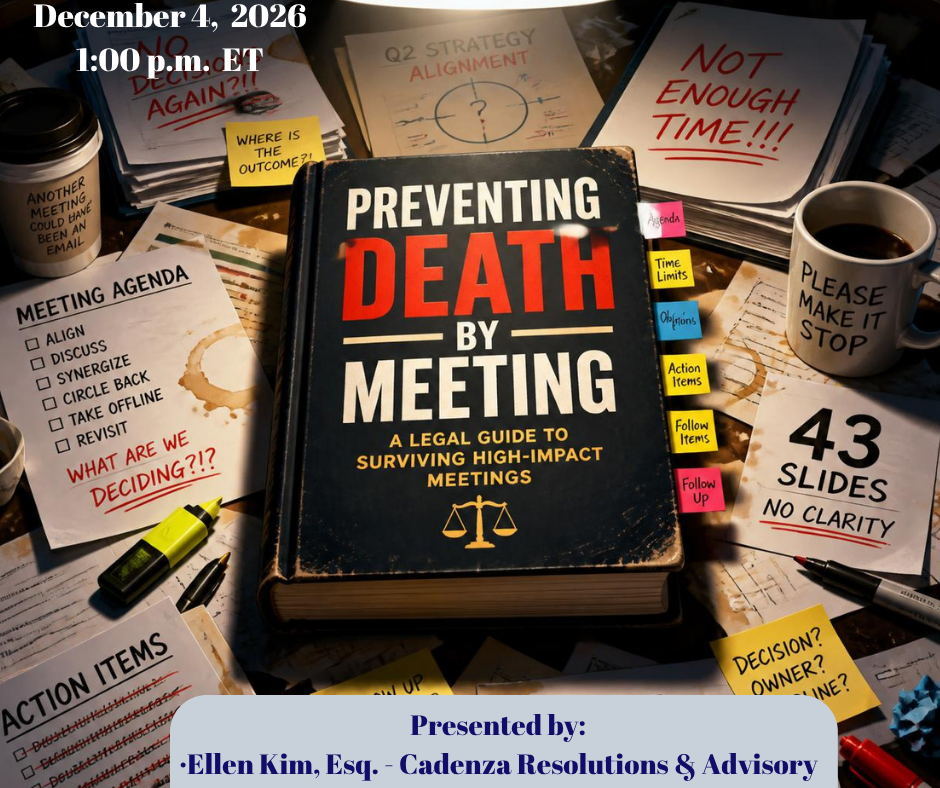
Lawyers lose hundreds of billable and operational hours every year to poorly managed meetings. Unfoc...