
Exciting new series on “Voice, Body and Movement for Lawyers – How to connect with the jury and find Justice Through Dramatic Technique!”
Click here to find out more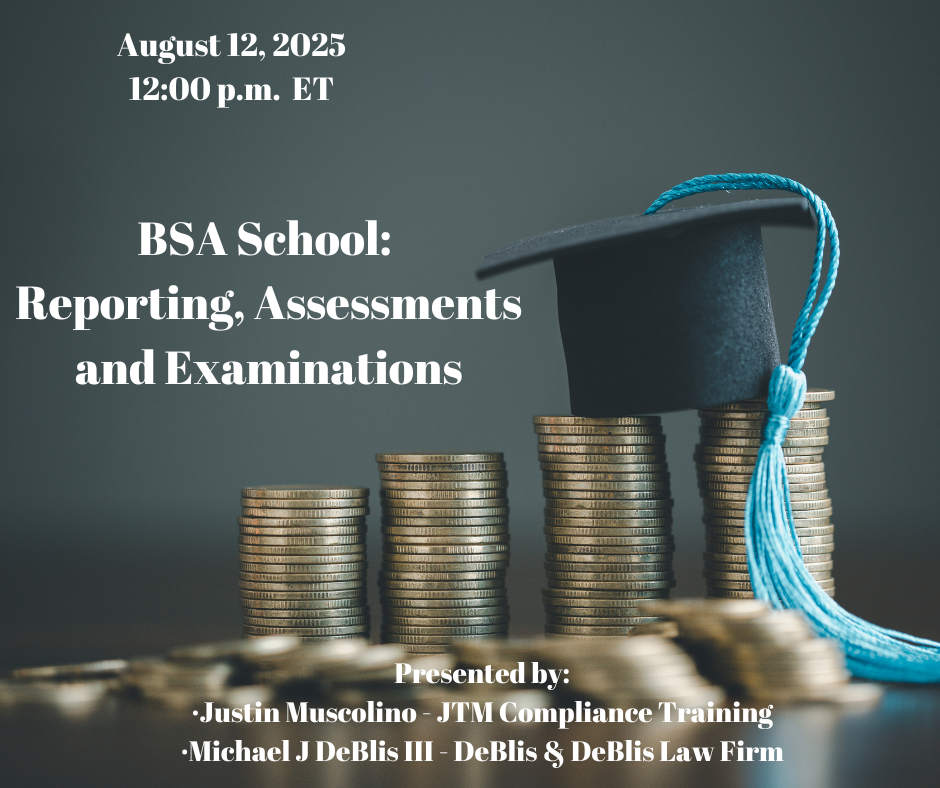
This session is designed to help compliance professionals and fintech partners better understand the key components of the Bank Secrecy Act (BSA) program, with a focus on regulatory reporting, risk assessments, and examinations. Participants will learn the purpose and timing of required reports, how to conduct and update a BSA/AML risk assessment, and what to expect during a regulatory exam. The class provides practical guidance on how to prepare documentation, respond to examiner questions, and ensure your program meets expectations. Whether you're new to BSA or looking for a refresher, this session covers the essentials for strong program oversight.
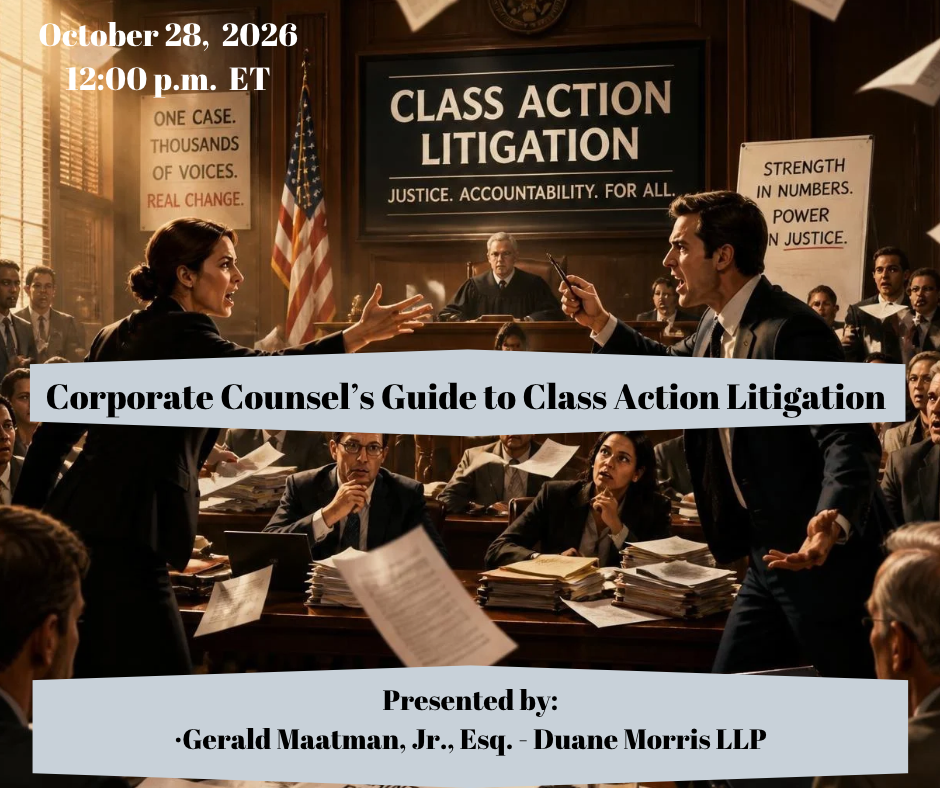
Class action litigation continues to expand in both number of filings and monetary exposure, with se...

The practice of law places legal professionals under extraordinary and often chronic stress, making ...
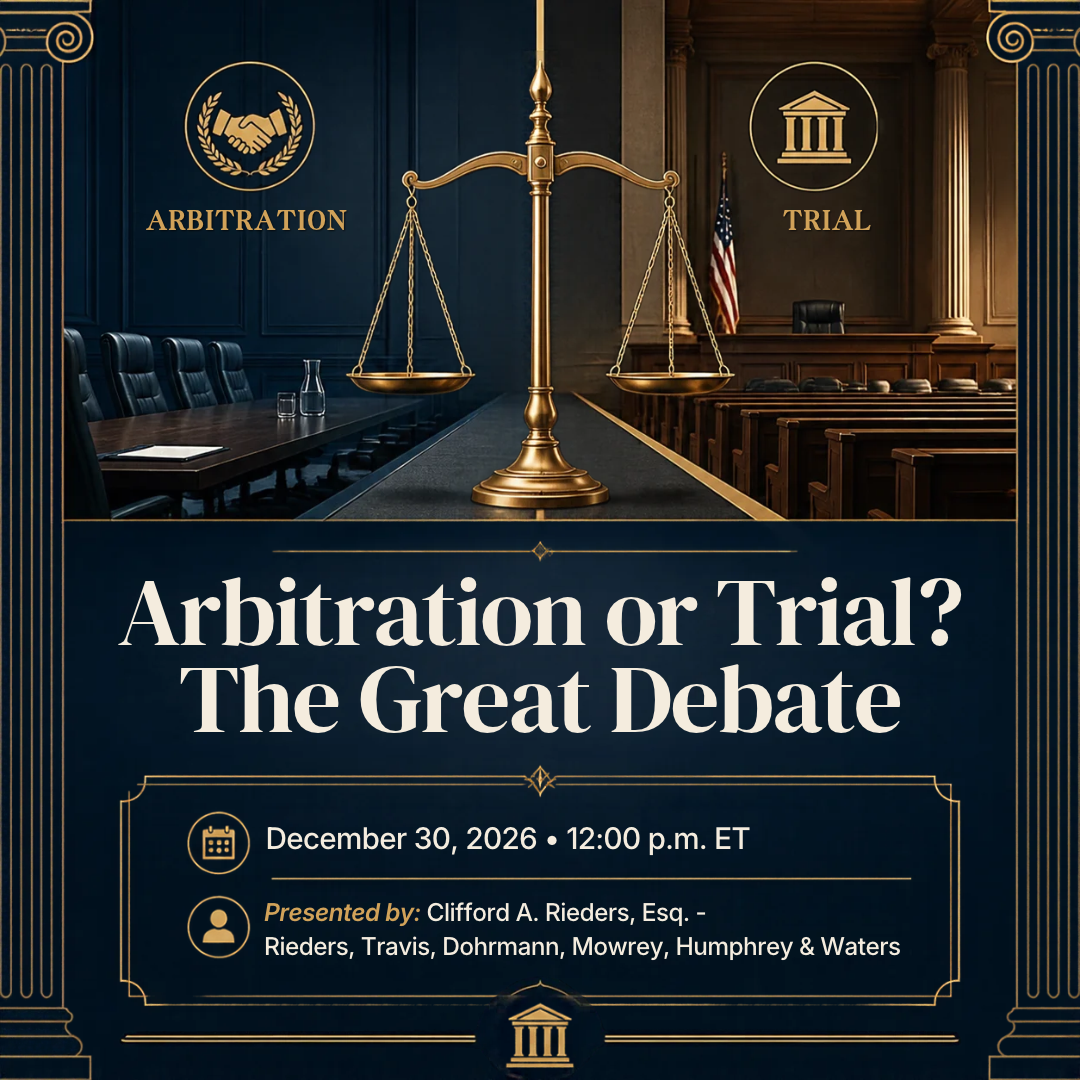
This seminar concerns a scope, jurisdiction, and exceptions to the Federal Arbitration Act. The Act ...
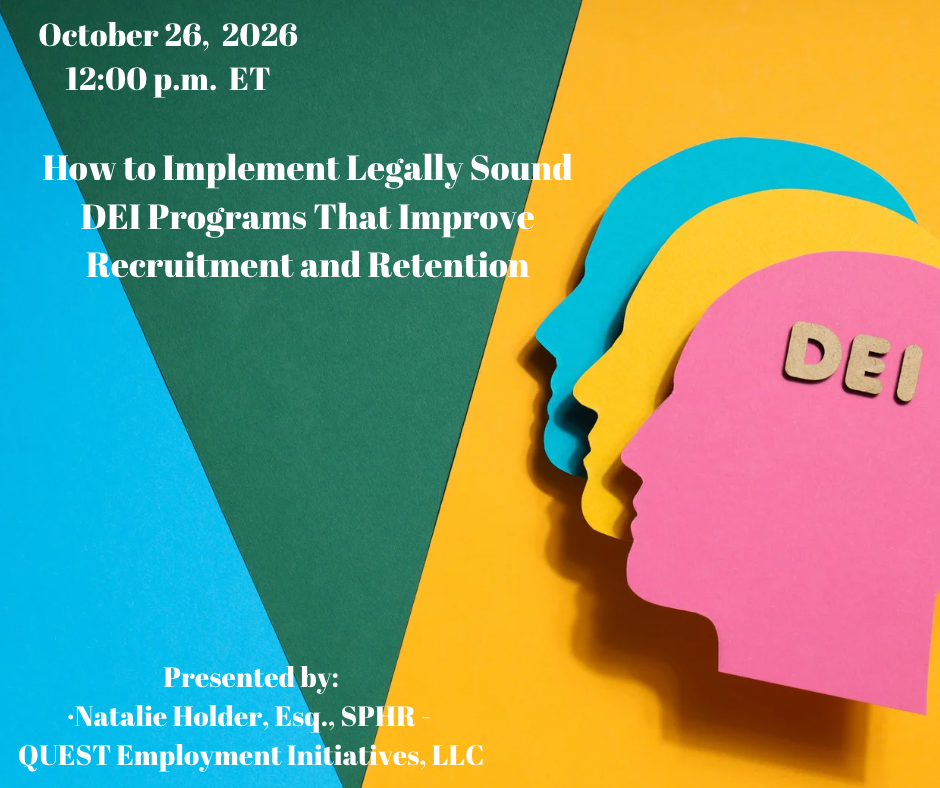
This program will discuss how to design and implement legally sound diversity, equity, and inclusion...
Adverse and derogatory information often has devastating effects on a contractor's ability to win co...

Class action litigation presents significant legal and business challenges for employers and corpora...
This program provides a practical roadmap to mastering every stage of the discovery process in civil...

I was wrongfully separated from the military and I will get no military pay and disability retiremen...

Perfectionism is often rewarded in the legal profession. It drives attention to detail, thorough pre...
Data privacy remains one of the most rapid areas of growth in the class action space. Plaintiffs con...