
Exciting new series on “Voice, Body and Movement for Lawyers – How to connect with the jury and find Justice Through Dramatic Technique!”
Click here to find out more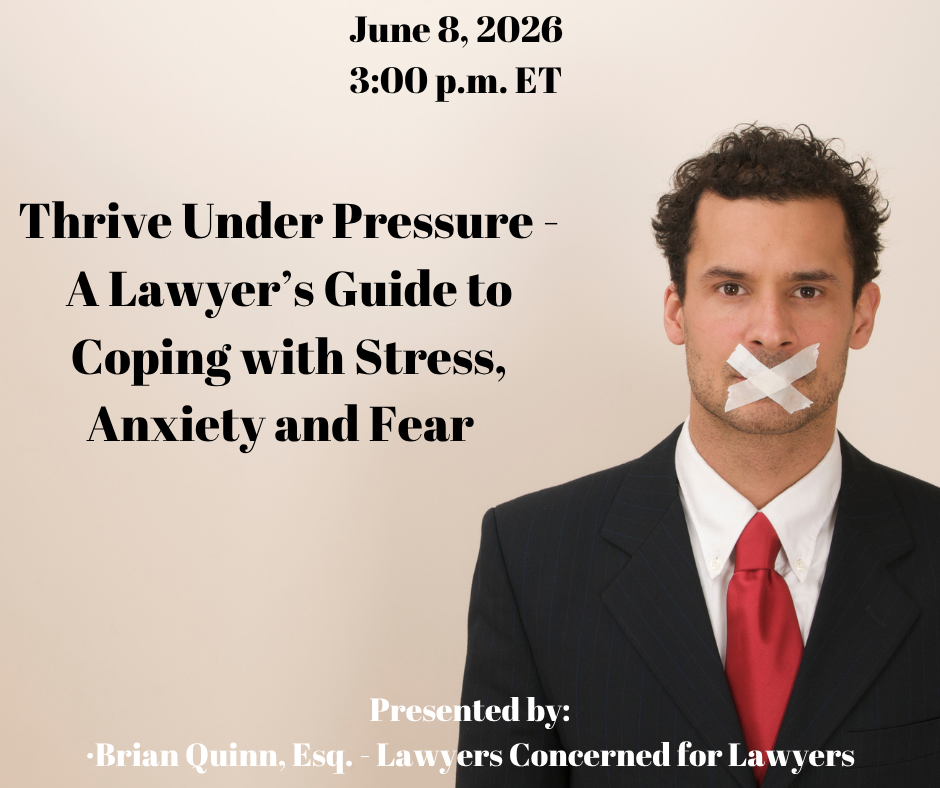
Recent studies have shown that there has been a dramatic increase in impairment due to alcoholism, addiction and mental health disorders among members of the legal profession. The statistics are compelling and clearly indicate that 1 out of 3 attorneys will likely have a need for substance use or mental health services at some point in their careers.
There is a misconception among lawyers that only people who have “hit bottom” need or ask for help. The statistics say otherwise as recent surveys indicate that the overwhelming majority of legal practitioners believe they have suffered negative mental health consequences as a result of their chosen profession.
Unfortunately, lawyers would rather isolate and “tough it out” rather than ask for help. This “conspiracy of silence” is often destructive to both careers and overall well-being.
Mr. Quinn will discuss:
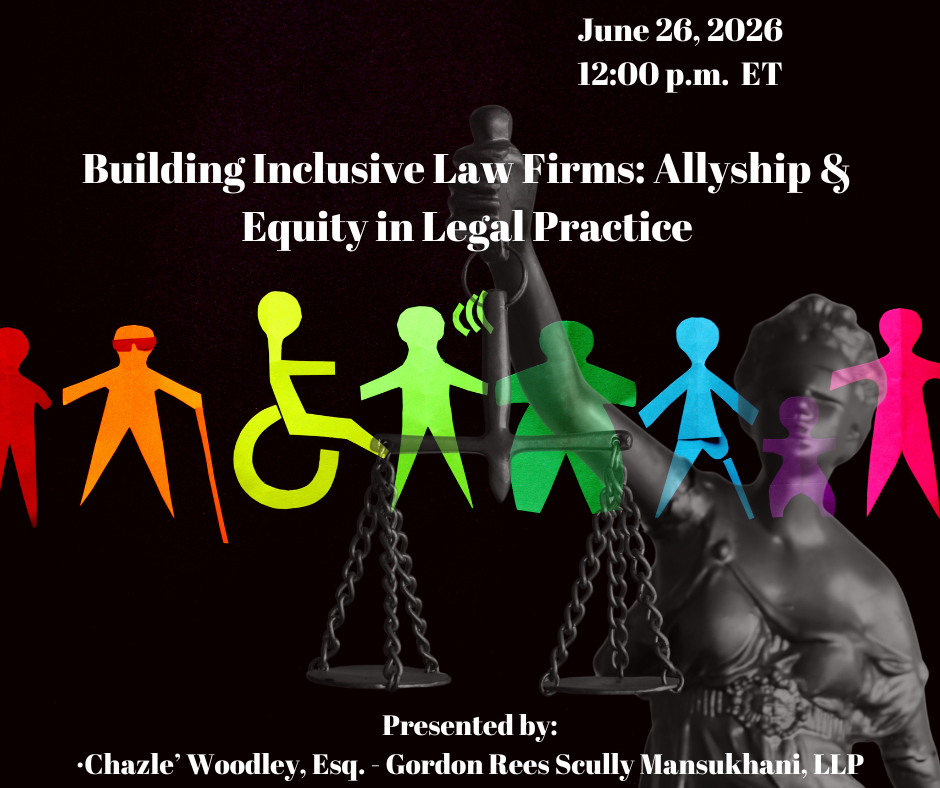
This interactive course is designed to equip legal professionals with the knowledge, tools, and stra...
This dynamic CLE presentation challenges trial lawyers to rethink everything they were taught about ...
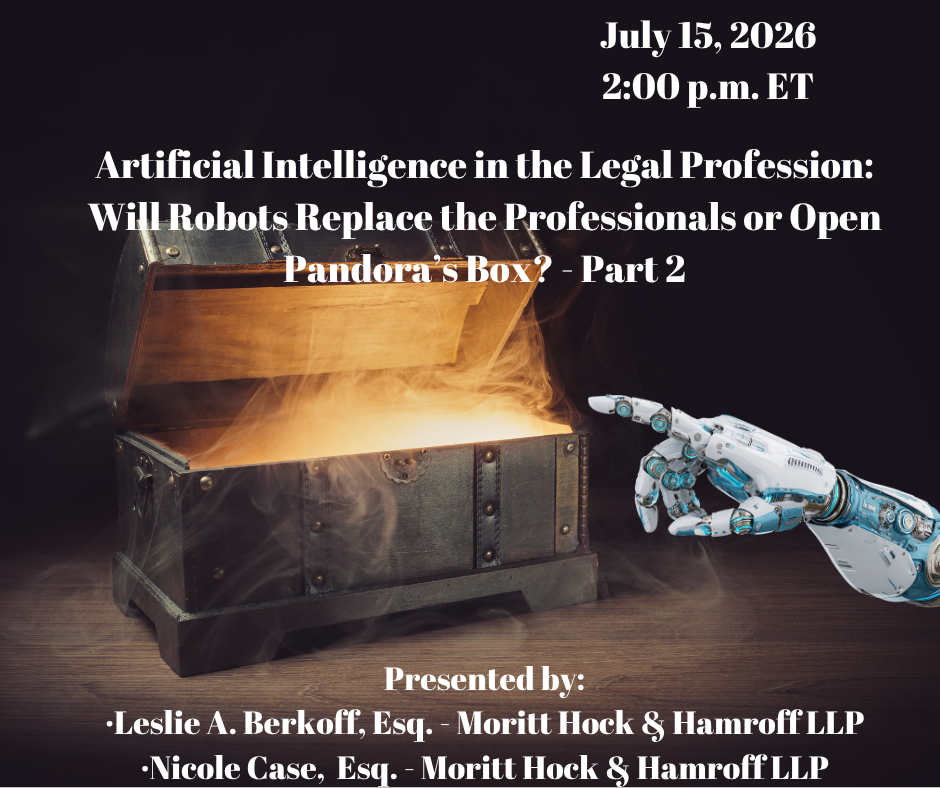
Join us for Part 2 of a program tailored for attorneys seeking a better understanding of the ongoing...
Adverse and derogatory information often has devastating effects on a contractor's ability to win co...
Workplace investigations are now more complex, high-stakes, and scrutinized than ever before. Employ...

U.S. businesses providing online services that are used by minors face a rapidly evolving patchwork ...

This course analyzes federal contractor cyber security obligations under the Federal Acquisition Reg...

This course analyzes federal contractor obligations under the Trade Agreements Act. Learn how to ens...
This program provides attorneys with a practical examination of how legal, regulatory, and liability...
There are countless trial skill CLEs that will teach you the basics of trial strategies. This CLE is...