
Exciting new series on “Voice, Body and Movement for Lawyers – How to connect with the jury and find Justice Through Dramatic Technique!”
Click here to find out more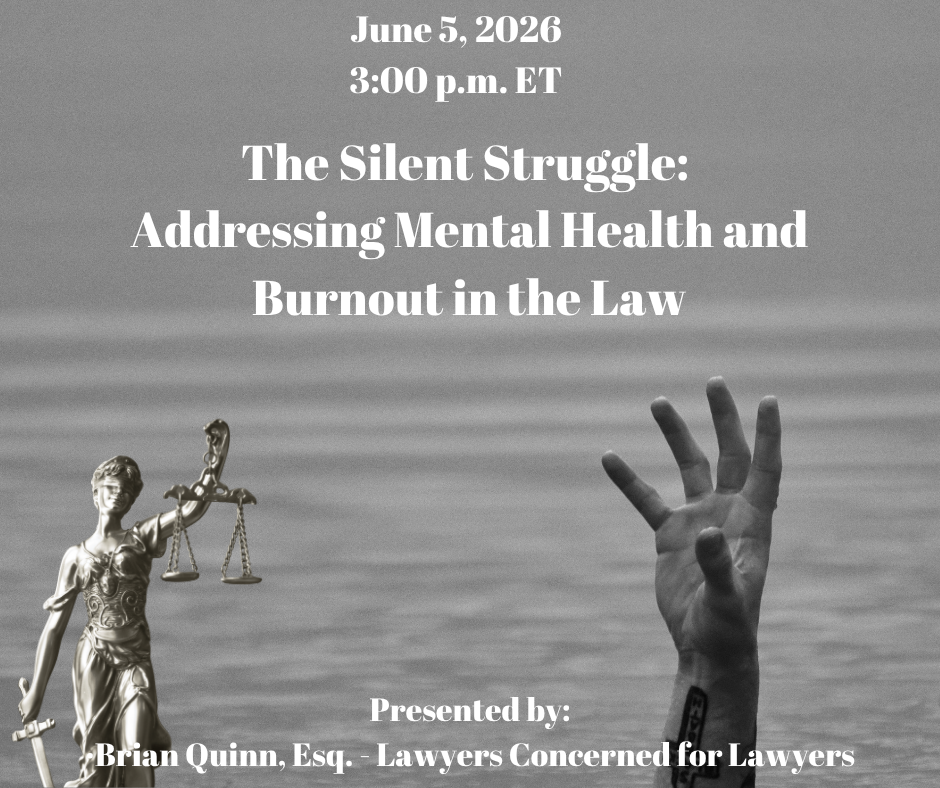
Recent studies have shown that there has been a dramatic increase in impairment due to alcoholism, addiction and mental health disorders among members of the legal profession. The statistics are compelling and clearly indicate that 1 out of 3 attorneys will likely have a need for substance use or mental health services at some point in their careers.
Mr. Quinn will discuss:
The Protections and Limits of the First Amendment when it comes to Expressive Conduct. This PowerPoi...

Join us for Part 2 of a program tailored for attorneys seeking a better understanding of the ongoing...
This program examines the role of psychosocial evaluations in spousal abuse-based immigration petiti...
Workplace investigations are now more complex, high-stakes, and scrutinized than ever before. Employ...
This program examines the strategic use of expert testimony in immigration court proceedings. Partic...
This course will provide a detailed overview of the Medicare Secondary Payer act as well as provide ...

As the largest purchaser of goods and services in the world, the United States Government requires f...
This program will address the ethical obligations of Lawyer Advocates representing clients in arbitr...
This program examines mitigation strategies for white-collar defendants in the post-Booker sentencin...
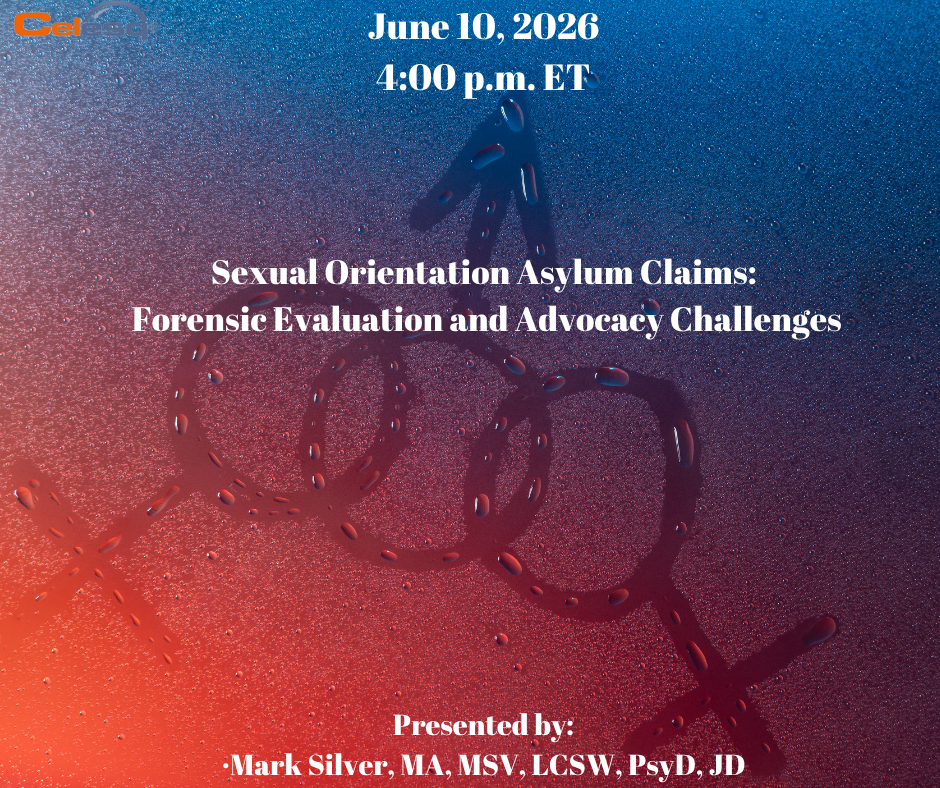
This program focuses on asylum claims based on sexual orientation, addressing the unique clinical, c...