
Exciting new series on “Voice, Body and Movement for Lawyers – How to connect with the jury and find Justice Through Dramatic Technique!”
Click here to find out more
Perfectionism is often rewarded in the legal profession. It drives attention to detail, thorough preparation, and high-quality advocacy. Yet when left unchecked, it can also contribute to chronic stress, anxiety, burnout, procrastination, self-criticism, and impaired decision-making. This program will help attorneys better understand the psychology of perfectionism, distinguish between healthy striving and maladaptive perfectionism, and recognize how perfectionistic thinking can affect professional competence, client relationships, and overall well-being. Participants will explore practical, evidence-informed strategies to preserve the strengths of perfectionism while reducing its costs, allowing them to practice with greater resilience, flexibility, and effectiveness.
Learning Objectives:
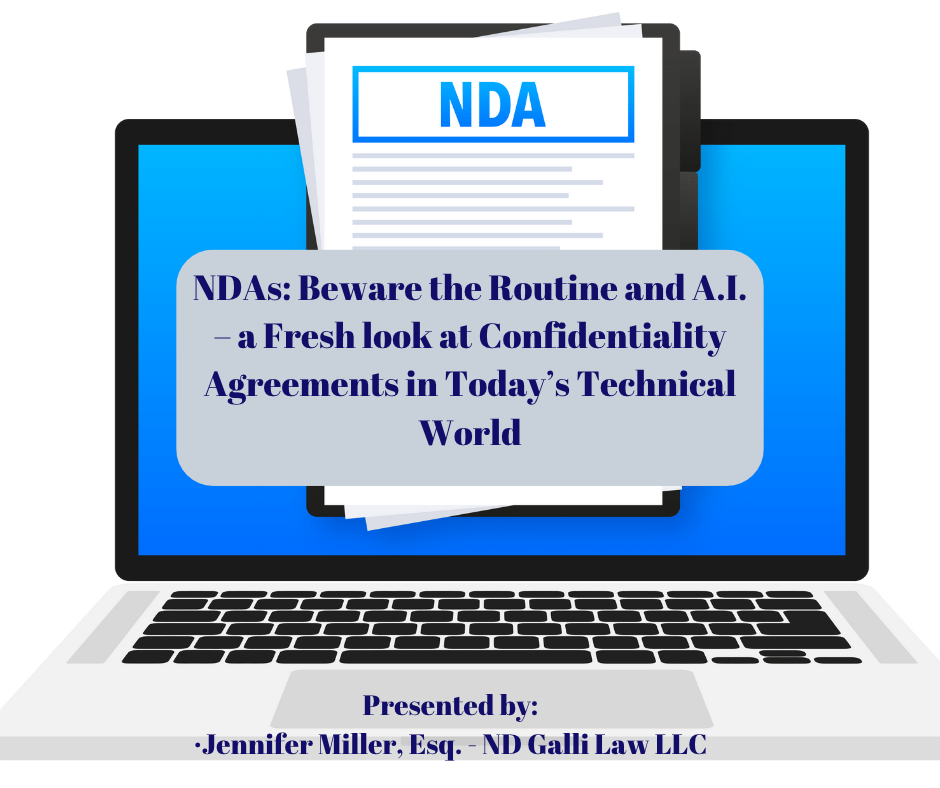
Confidentiality Agreements (also called NDAs) are too often treated as routine. So routine, th...

During this course, you will learn about best practices and strategies for retaining intellectual pr...

Class action litigation continues to expand in both number of filings and monetary exposure, with se...

During this course you will take a deep dive into federal bid protest litigation at the U.S. Court o...

This course on trade secrets litigation provides real-world best practices through all key stages of...

I was wrongfully separated from the military and I will get no military pay and disability retiremen...
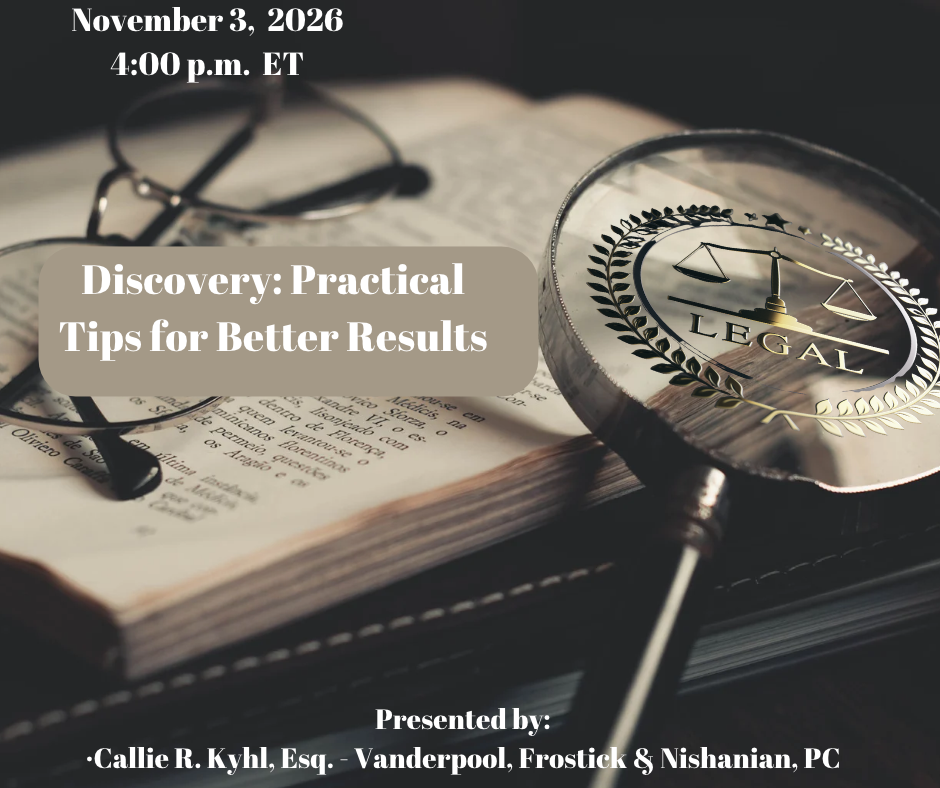
This program provides a practical roadmap to mastering every stage of the discovery process in civil...

The practice of law places legal professionals under extraordinary and often chronic stress, making ...

As the largest purchaser of goods and services in the world, the United States Government requires f...

Class action waivers in arbitration agreements remain enforceable, but a decade of U.S. Supreme Cour...