
Exciting new series on “Voice, Body and Movement for Lawyers – How to connect with the jury and find Justice Through Dramatic Technique!”
Click here to find out more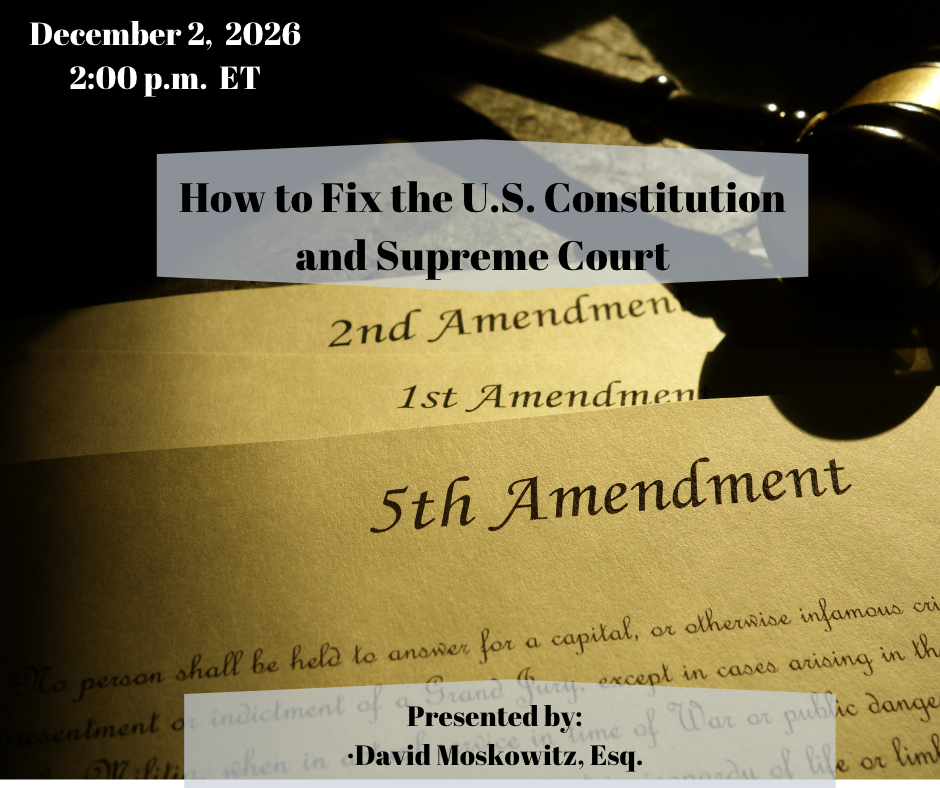
The United States Constitution is one of the most influential legal documents in history, establishing the foundation of American democracy and shaping constitutional governance throughout the world. As the world's oldest written national constitution still in continuous force, it has demonstrated remarkable endurance. However, its longevity has also generated significant debate regarding its ability to address the complex legal, political, and societal challenges of the modern era.
This program will critically examine three perceived structural weaknesses of the Constitution: its age, its brevity, and the extraordinary difficulty of amending its provisions. Participants will explore how these characteristics have influenced constitutional interpretation, the separation of powers, and the evolving relationship among the legislative, executive, and judicial branches of government.
The course will also examine the consequences of constitutional rigidity, including the increasing reliance on judicial interpretation and congressional action to address issues that the formal amendment process has been unable to resolve. Particular attention will be given to the role of the United States Supreme Court, concerns regarding judicial independence and political polarization, and the impact of constitutional decisions on the rule of law and public confidence in the judiciary. Through an analysis of constitutional principles, historical developments, significant Supreme Court decisions, and competing approaches to constitutional reform, attendees will evaluate potential solutions to perceived constitutional dysfunction. The program will consider proposals for constitutional amendments, reforms to the Supreme Court's structure and operations, and alternative approaches to strengthening democratic accountability while preserving judicial independence and the fundamental protections guaranteed by the Constitution.
Learning Objectives:
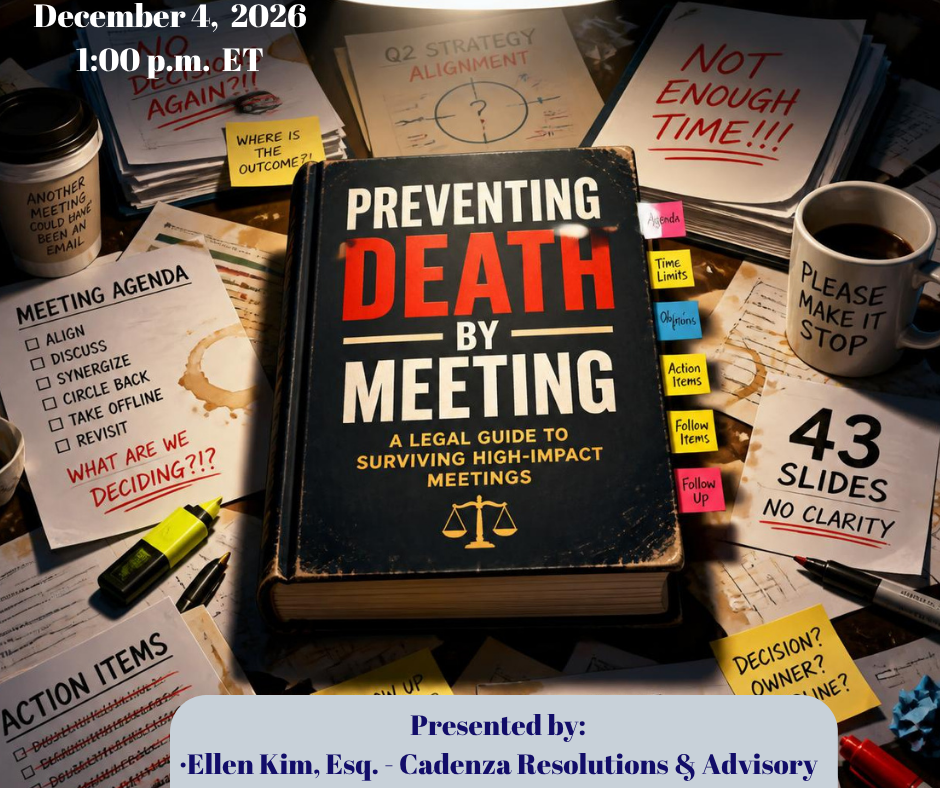
Lawyers lose hundreds of billable and operational hours every year to poorly managed meetings. Unfoc...

Class action litigation presents significant legal and business challenges for employers and corpora...
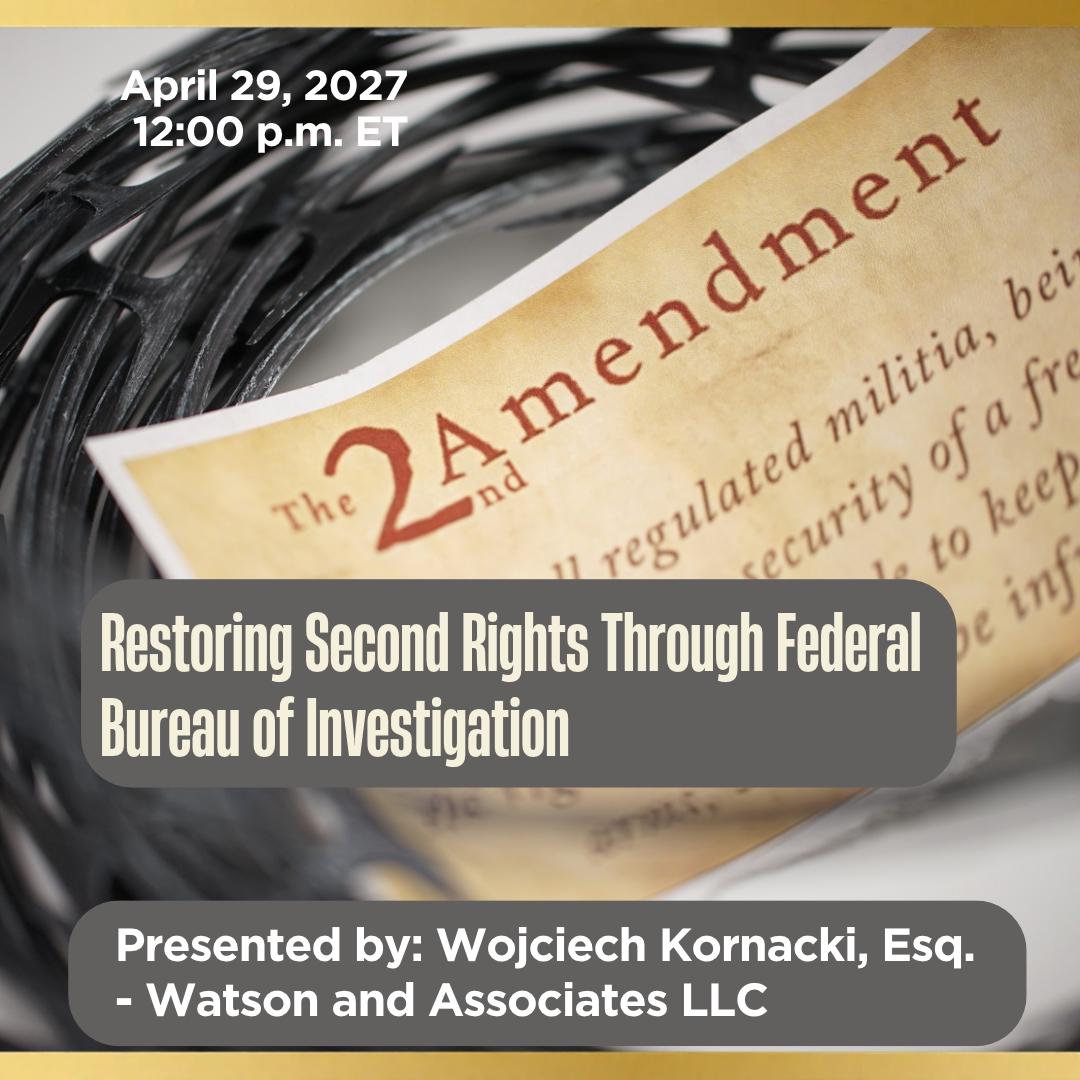
During this course you will learn about the Federal Firearm Rights Restoration program and the Feder...
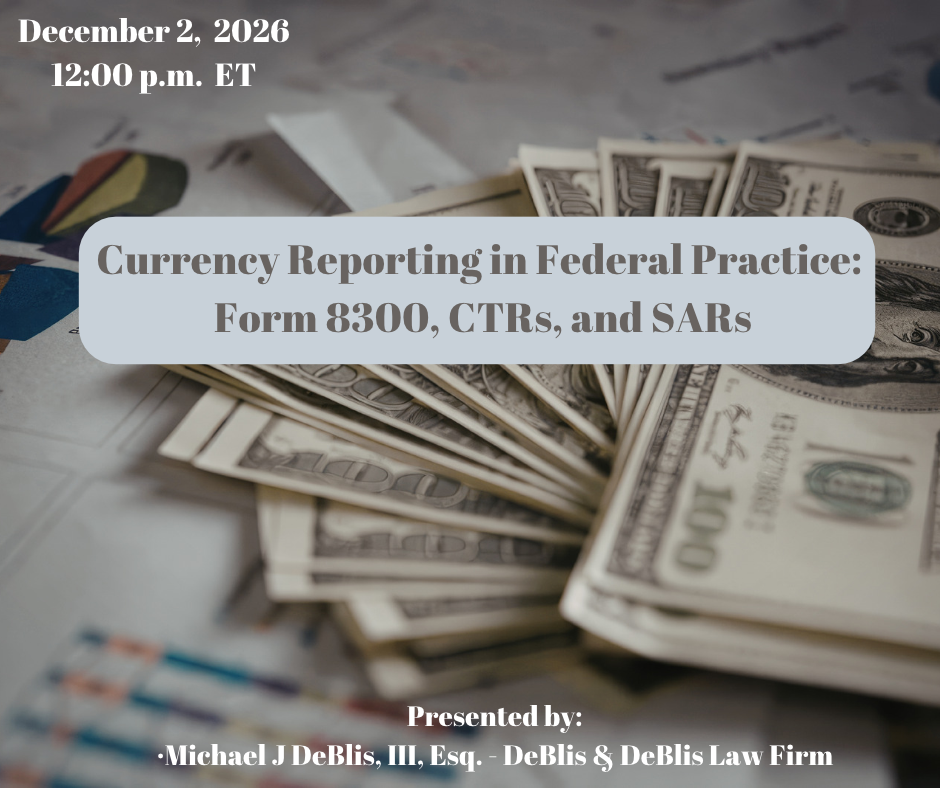
This program provides trial attorneys with a thorough grounding in the three principal currency repo...
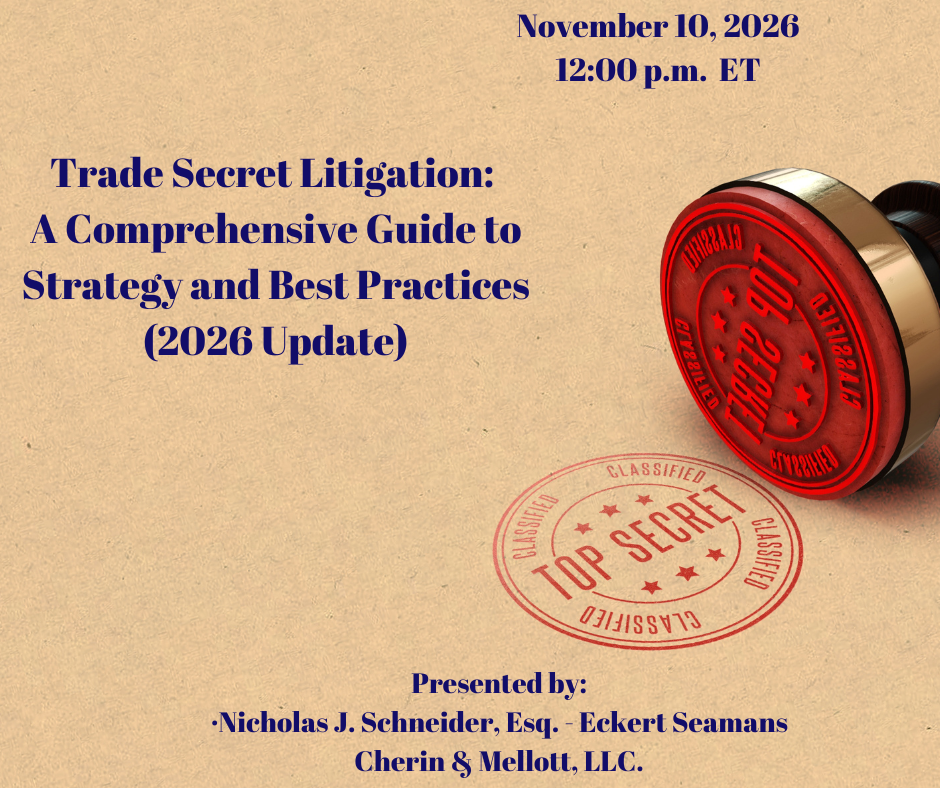
This course on trade secrets litigation provides real-world best practices through all key stages of...
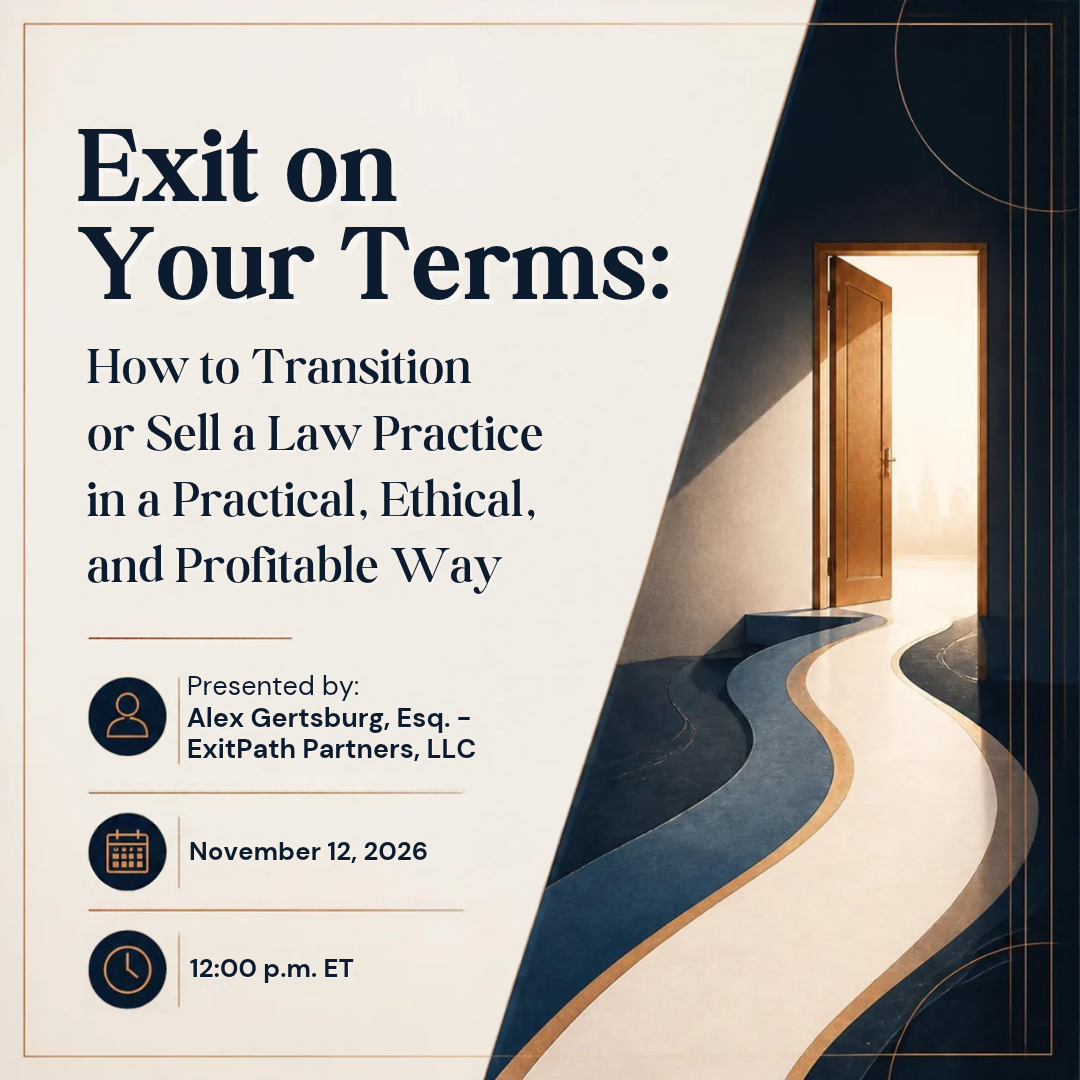
Turn decades of client relationships into lasting equity. This practical CLE shows attorneys how to ...
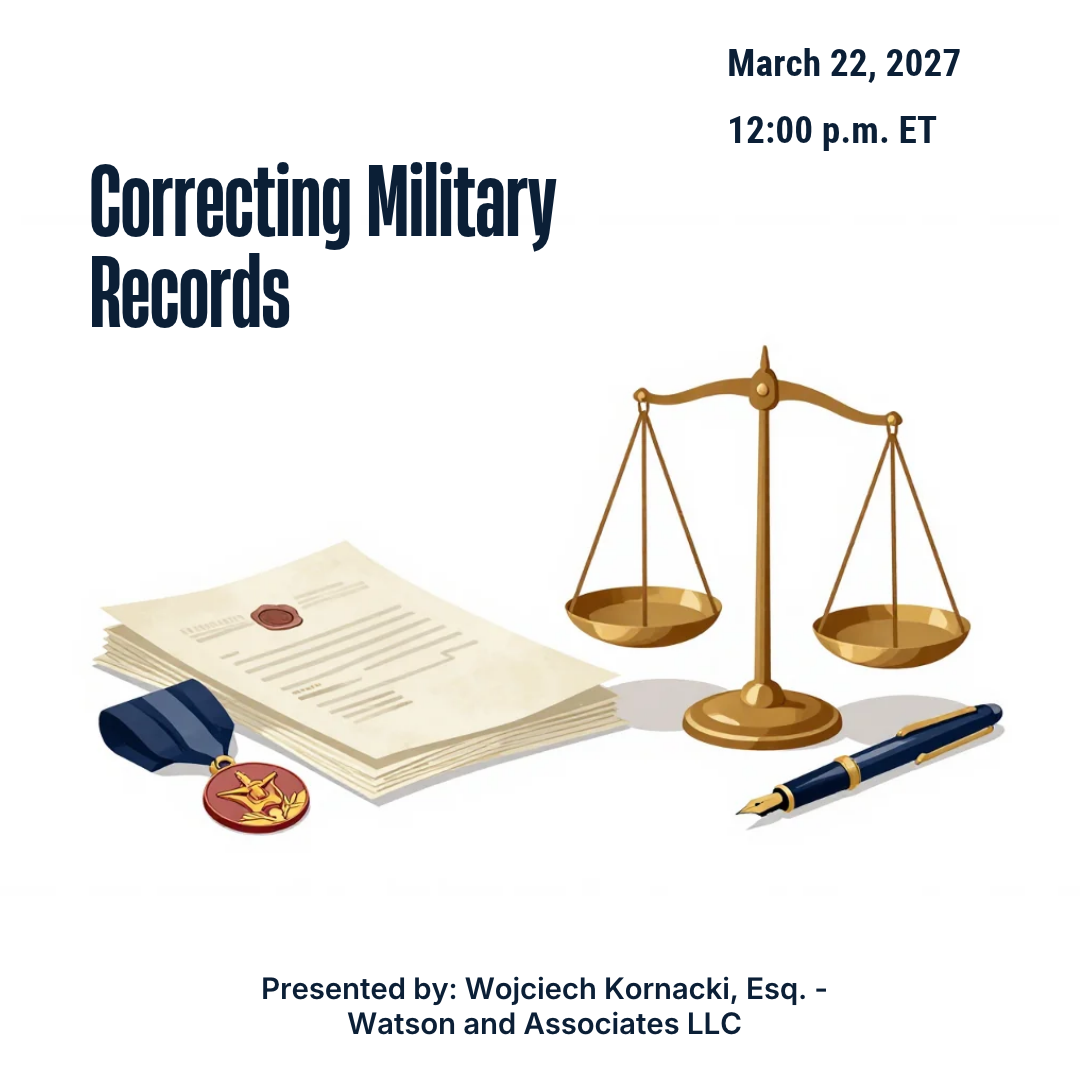
Incorrect military records prevent active duty and reserve Soldiers, Airmen, Guardians, Marines, Sai...
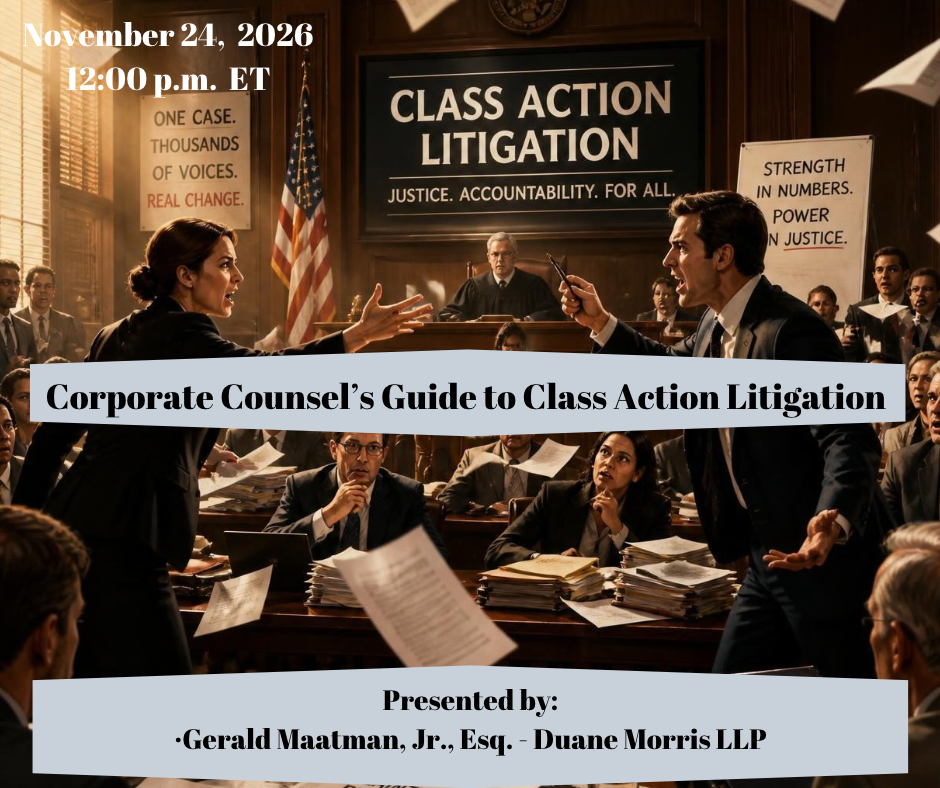
Class action litigation continues to expand in both number of filings and monetary exposure, with se...
Join us for this presentation to learn about the U.S. Court of Appeals for the Federal Circuit litig...
Conducting an internal investigation that is incisive, effective and legally compliant is tough enou...