
Exciting new series on “Voice, Body and Movement for Lawyers – How to connect with the jury and find Justice Through Dramatic Technique!”
Click here to find out more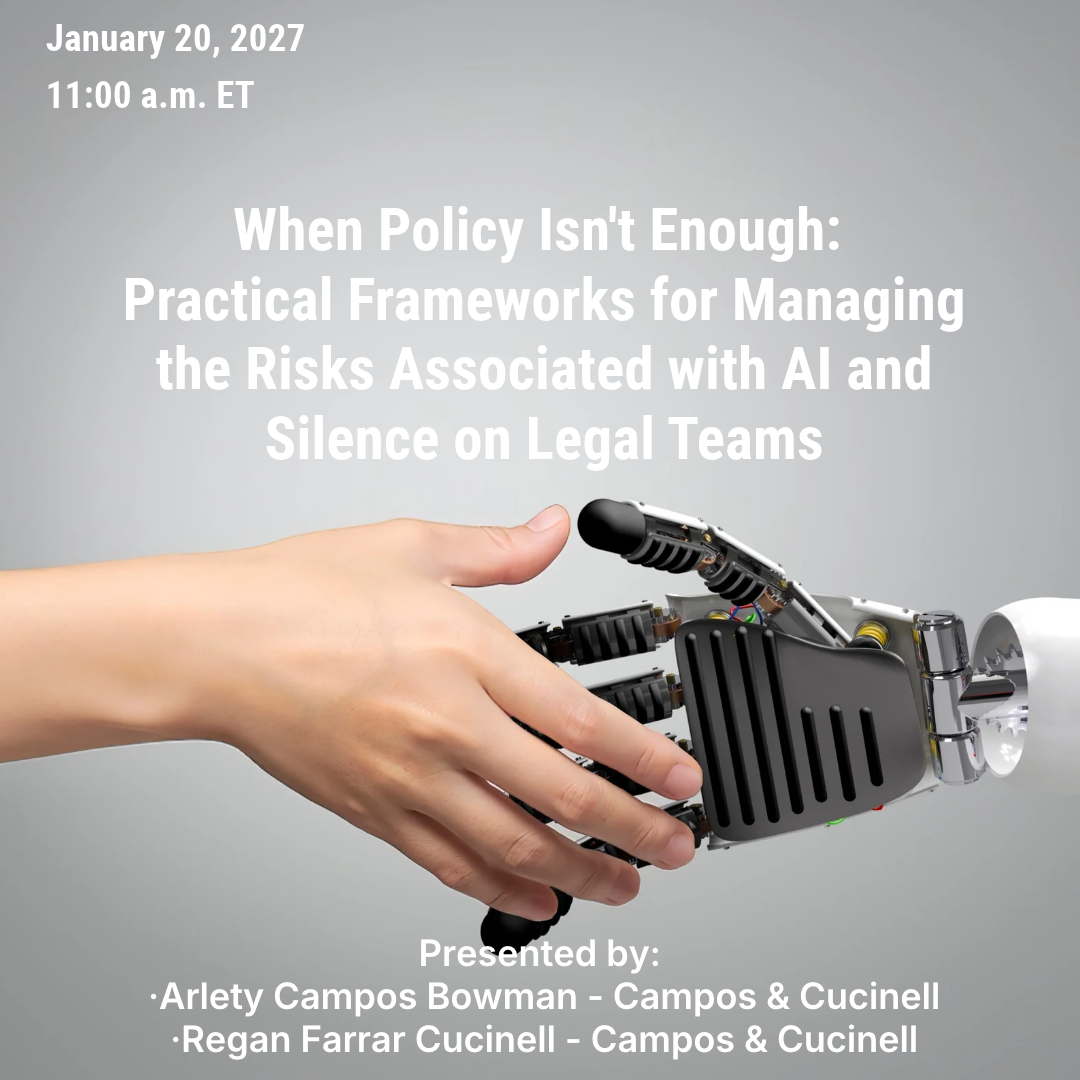
AI tools and workplace silence create the same problem for legal teams: the safeguards in place, including AI policies, cite-checks, and Rule 5.1 supervision structures, depend on someone telling someone. This program begins with a hypothetical Thursday night in a litigation department, where three lawyers each know something the firm's systems cannot detect. It then covers the risks of AI-assisted work, the reasons junior lawyers hesitate to question output that looks polished, and what Mata v. Avianca shows about how delay can make an error sanctionable. The presenters explain how to turn policy into practice through process-based supervision, verification standards, and layered review. Attendees receive practical tools for their own teams, The program is intended for law firm partners and supervising attorneys, litigators, general counsel and in-house counsel, risk and ethics counsel, and legal operations professionals.

The practice of law places legal professionals under extraordinary and often chronic stress, making ...
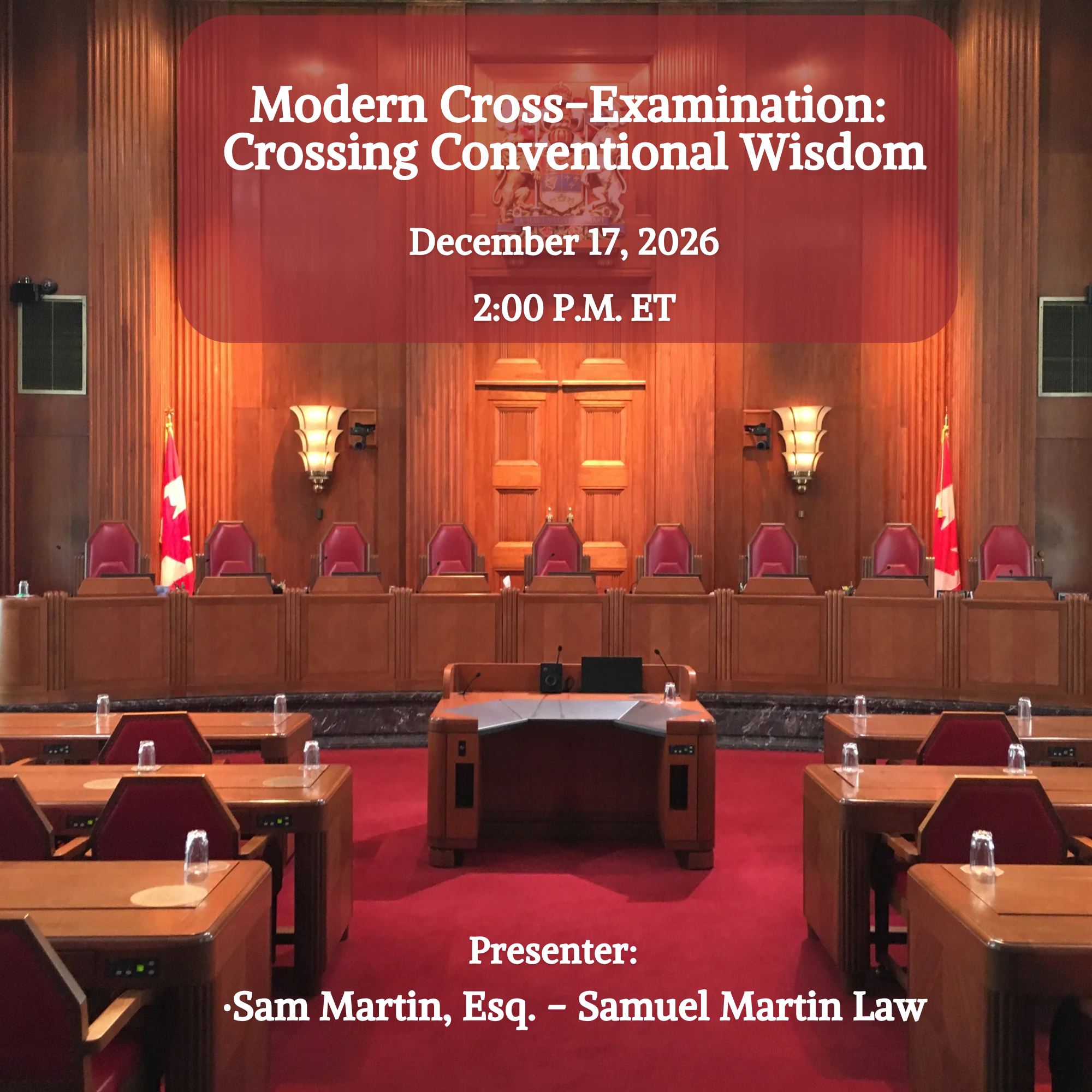
Attendees will learn how to effectively cross-examine witnesses at trial. The conventional wis...
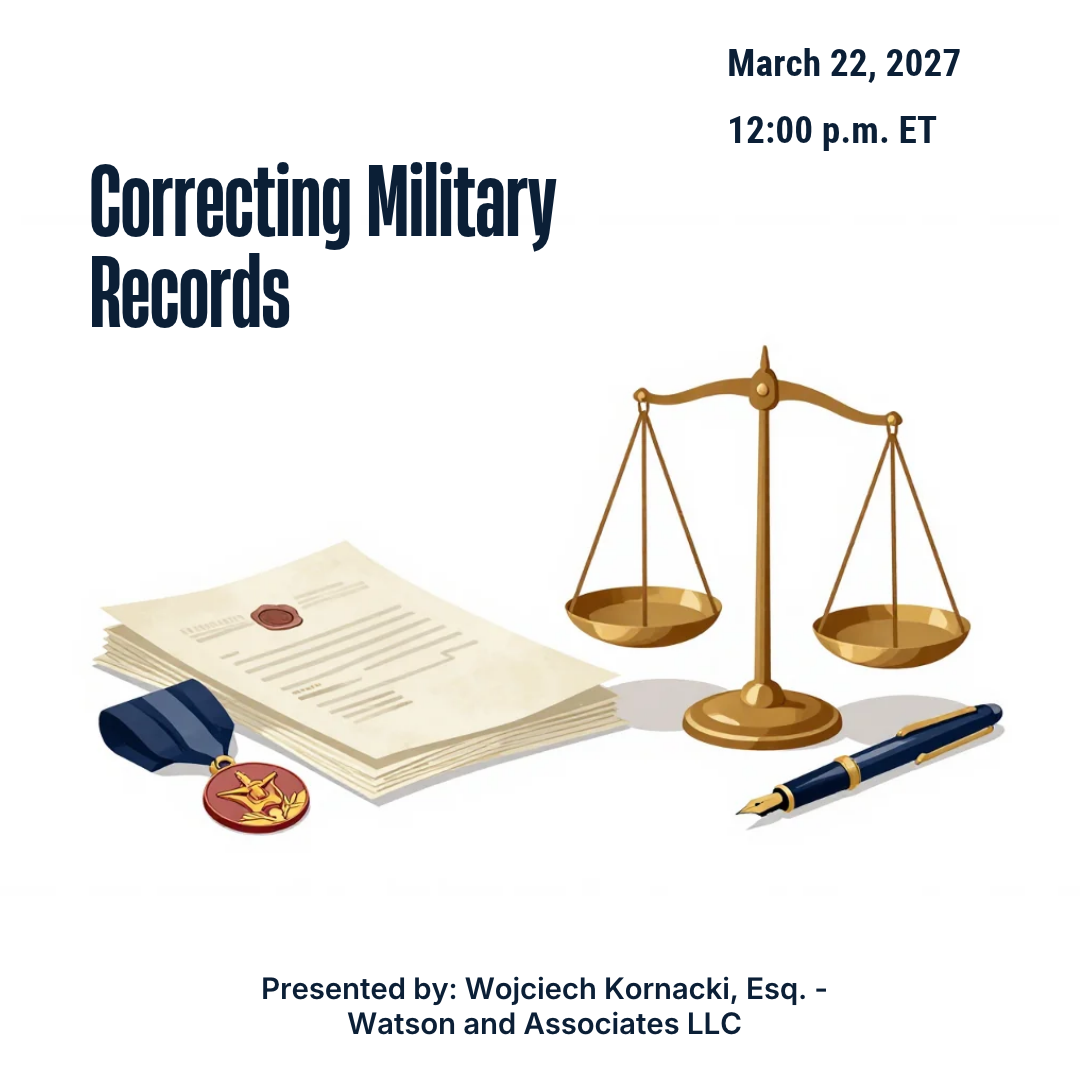
Incorrect military records prevent active duty and reserve Soldiers, Airmen, Guardians, Marines, Sai...
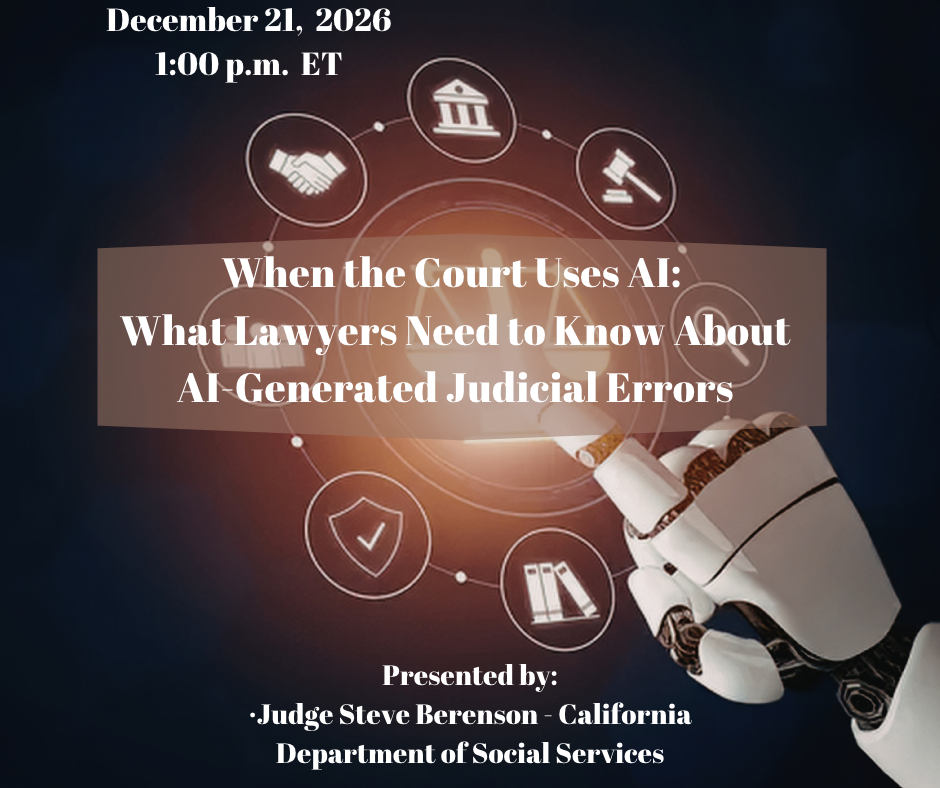
Most lawyers are aware of the high-profile cases in which attorneys were sanctioned or otherwise dis...
The United States Constitution is one of the most influential legal documents in history, establishi...
Adverse and derogatory information often has devastating effects on a contractor's ability to win co...
This program examines the scope, jurisdiction, and exceptions to the Federal Arbitration Act (FAA), ...
The hardest part of managing a diverse workforce is inclusion: the everyday decisions about who gets...

During this course you will take a deep dive into federal bid protest litigation at the U.S. Court o...

Artificial intelligence is reshaping the strategy and economics of patent litigation, from locating ...