
Exciting new series on “Voice, Body and Movement for Lawyers – How to connect with the jury and find Justice Through Dramatic Technique!”
Click here to find out more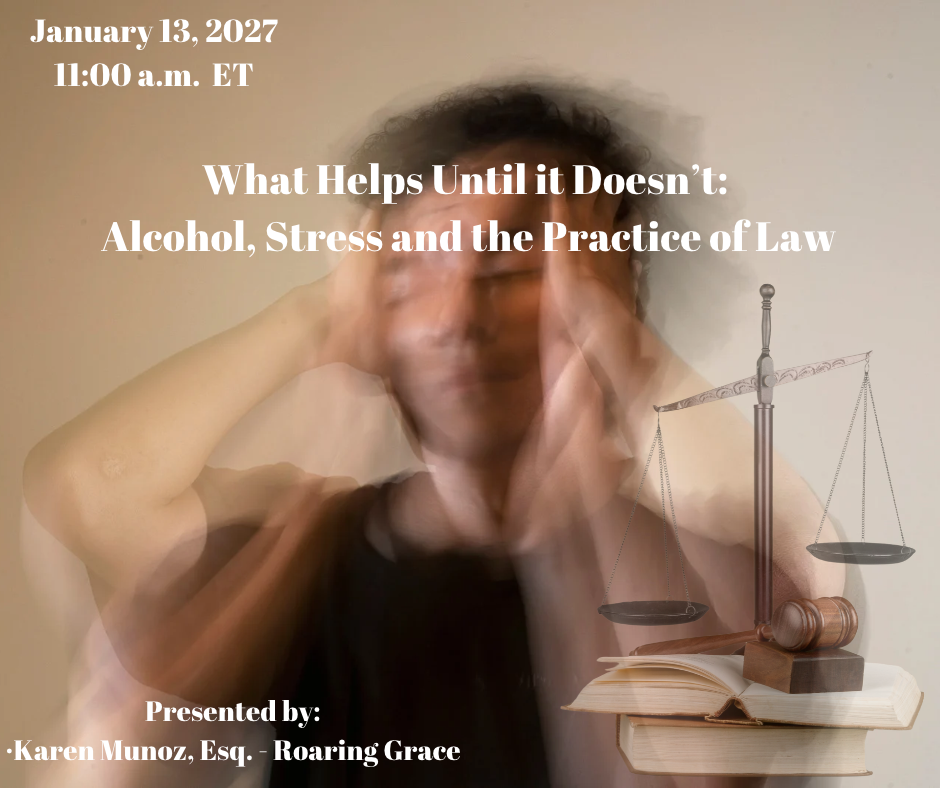
The practice of law places legal professionals under extraordinary and often chronic stress, making it easy for unhealthy coping strategies to become normalized. We will explore the relationship between stress, alcohol use, and lawyer well-being through a compassionate, evidence-informed lens. Participants will examine how legal culture, burnout, perfectionism, and the demands of practice can influence drinking behaviors, even among high-functioning professionals. Rather than focusing on judgment or abstinence, this presentation encourages greater self-awareness, healthier coping strategies, and practical tools for sustainable well-being. Attorneys will leave with strategies to support themselves, their colleagues, and a healthier legal profession.
Learning Objectives:
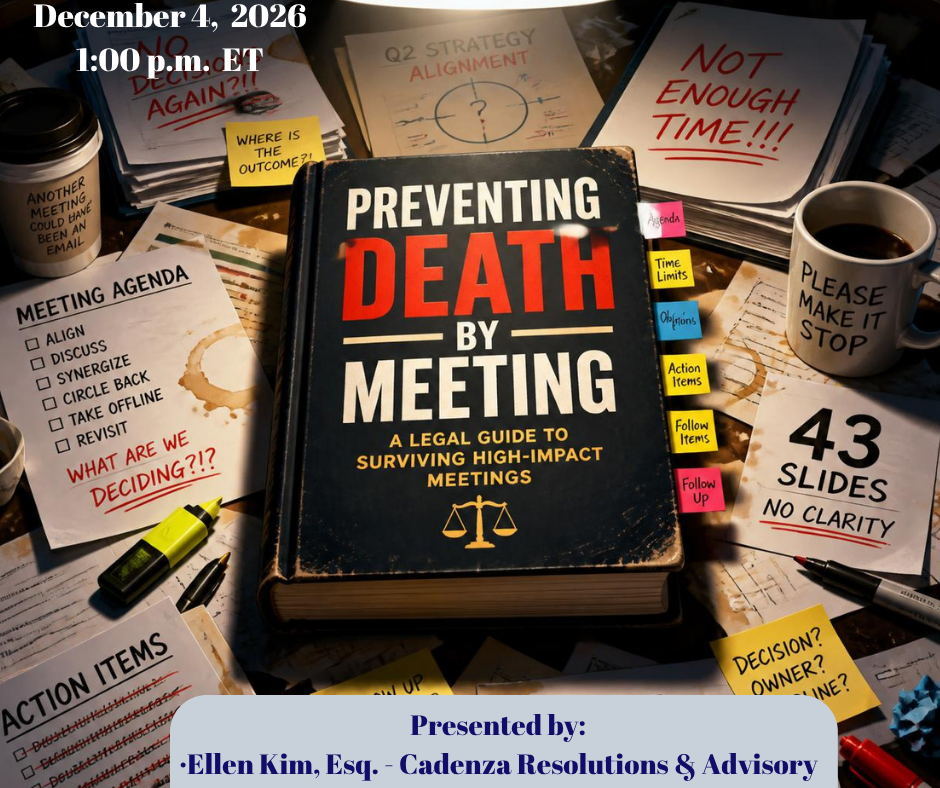
Lawyers lose hundreds of billable and operational hours every year to poorly managed meetings. Unfoc...
This course is meant for lawyers of all levels and areas of practice, and in it, we will explore way...
Confidentiality Agreements (also called NDAs) are too often treated as routine. So routine, th...

2026 was a very important year when it comes to federal procurement developments, Artificial Intelli...
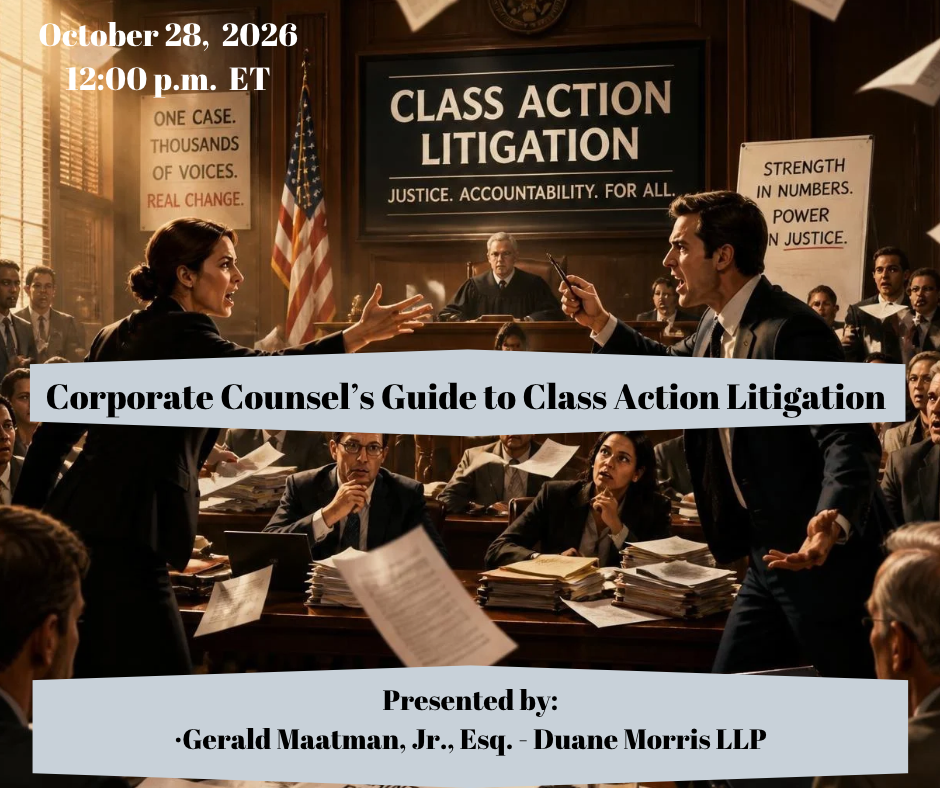
Class action litigation continues to expand in both number of filings and monetary exposure, with se...
Class action waivers in arbitration agreements remain enforceable, but a decade of U.S. Supreme Cour...

Data privacy remains one of the most rapid areas of growth in the class action space. Plaintiffs con...
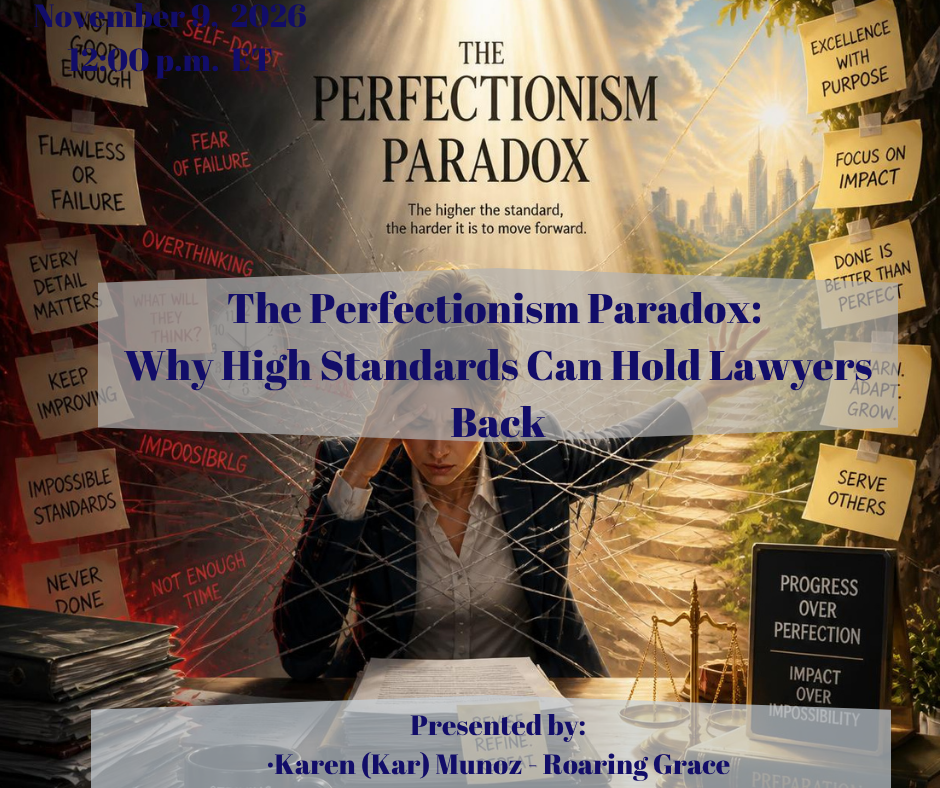
Perfectionism is often rewarded in the legal profession. It drives attention to detail, thorough pre...
This program will discuss how to design and implement legally sound diversity, equity, and inclusion...
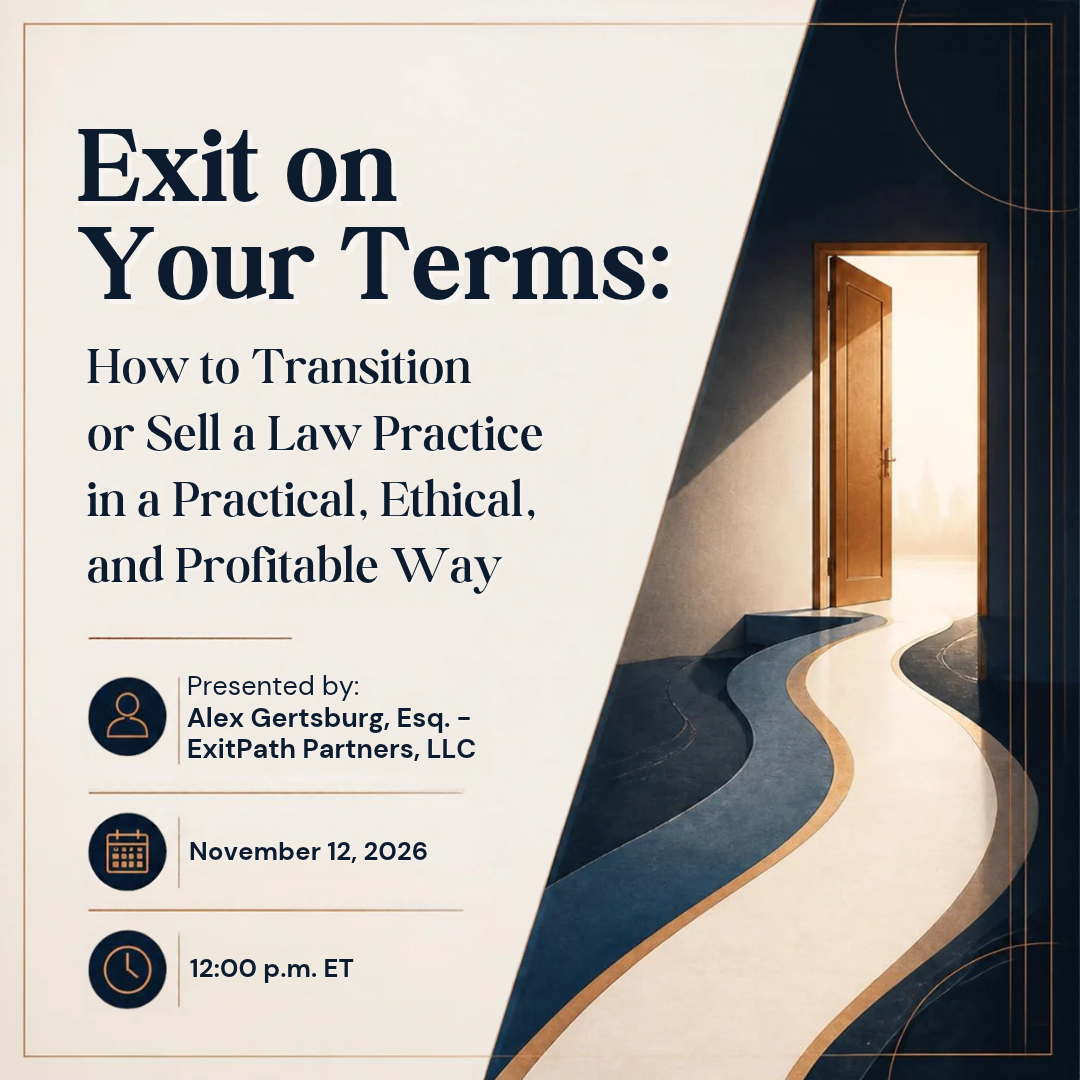
Turn decades of client relationships into lasting equity. This practical CLE shows attorneys how to ...