
Exciting new series on “Voice, Body and Movement for Lawyers – How to connect with the jury and find Justice Through Dramatic Technique!”
Click here to find out more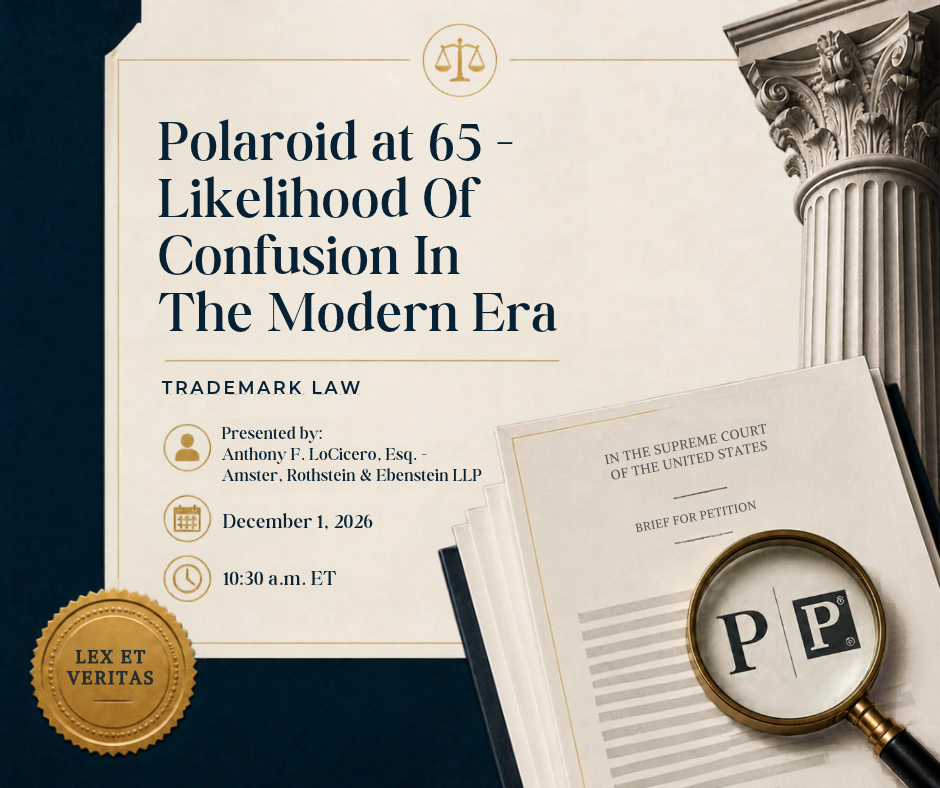
This program examines the legal standards and factors courts throughout the United States apply when evaluating likelihood of confusion in trademark infringement litigation. Participants will explore the historical development of these factors, beginning with Judge Henry Friendly's seminal 1961 decision in *Polaroid Corp. v. Polarad Electronics Corp.*, and analyze how federal courts have interpreted and applied these principles over the past 65 years. The course will address the various multifactor tests used by federal courts, including considerations such as the strength of a trademark, similarity of the marks, proximity of the goods or services, evidence of actual confusion, consumer sophistication, and marketing channels.
The program will also examine how significant changes in modern commerce, including the growth of online shopping, the expansion of big-box retailers, and the increasing accessibility of consumer reviews and feedback, have influenced the application of traditional likelihood of confusion factors. Through analysis of relevant case law and practical litigation considerations, attendees will learn how to evaluate evidence of consumer confusion, assess the strengths and weaknesses of trademark infringement claims, and develop effective strategies for presenting or defending against allegations of trademark infringement in today's evolving marketplace.
**Learning Objectives:**
Upon completion of this program, participants will be able to:
- Identify the legal standards and principal factors courts apply when determining likelihood of confusion in trademark infringement cases.
- Analyze the historical development of likelihood of confusion jurisprudence, beginning with *Polaroid Corp. v. Polarad Electronics Corp.*, and its influence on subsequent federal court decisions.
- Compare the multifactor tests applied by different federal circuits and recognize how their application may vary by jurisdiction.
- Evaluate how changes in consumer purchasing behavior, online commerce, big-box retailing, and consumer review platforms affect the likelihood of confusion analysis.
- Assess the evidentiary significance of trademark similarity, consumer sophistication, marketing channels, and actual confusion in infringement litigation.
- Develop effective litigation strategies for presenting or defending trademark infringement claims using relevant case law, factual evidence, and established likelihood of confusion factors.
Confidentiality Agreements (also called NDAs) are too often treated as routine. So routine, th...
Business disputes involving closely held companies, partnerships, shareholders, and informal busines...
You are all good lawyers—that’s a given. But by the time a jury trial becomes necessary,...
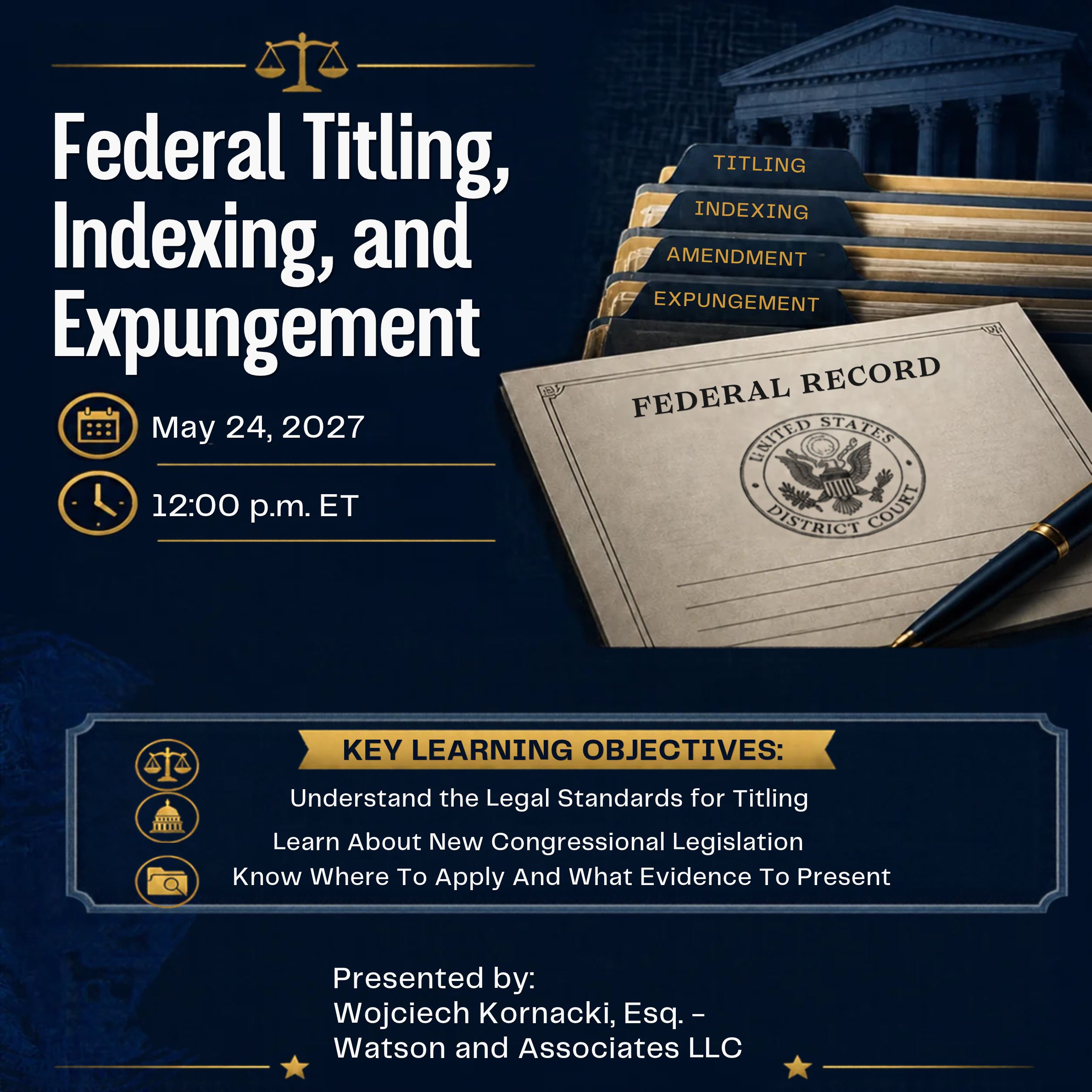
This course analyzes federal titling and indexing requirements and how to expunge or amend your reco...

Turn decades of client relationships into lasting equity. This practical CLE shows attorneys how to ...
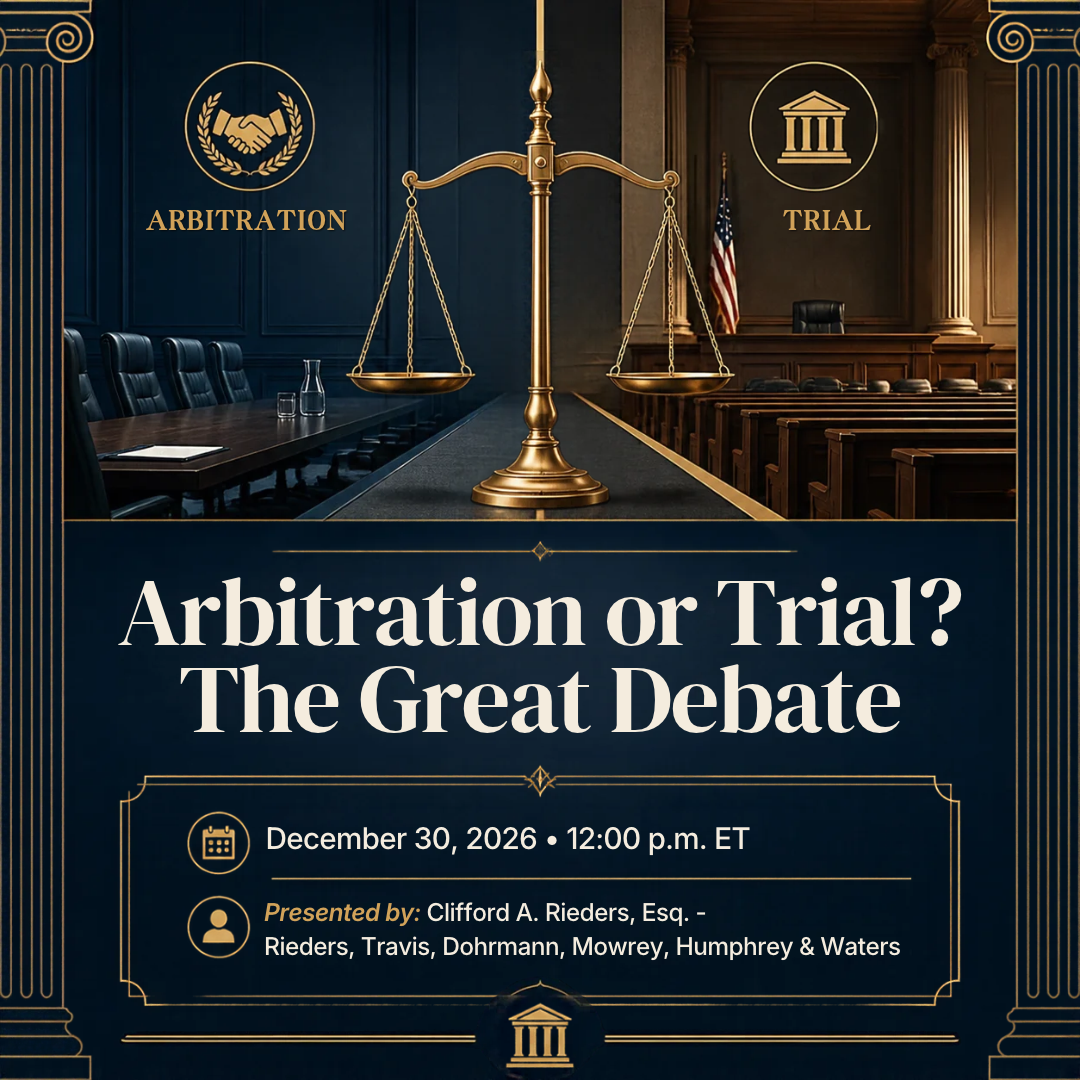
This program examines the scope, jurisdiction, and exceptions to the Federal Arbitration Act (FAA), ...
You’ve arranged to speak with a reporter. Do you know how to deliver insights that are memorab...
Conducting an internal investigation that is incisive, effective and legally compliant is tough enou...
“Is Your Voice Biometric Data? BIPA, AI and the New Era of Voiceprint Litigation” looks ...
Effective courtroom advocacy requires more than a command of the facts and law; it also demands the ...