
Exciting new series on “Voice, Body and Movement for Lawyers – How to connect with the jury and find Justice Through Dramatic Technique!”
Click here to find out more
This program focuses on effective tax planning strategies and transaction structures in the current economic climate. Topics covered will include: understanding buyer/seller business and tax preferences, maximizing after-tax proceeds in an exit, incentivizing key employees, structuring earnouts/deferred payments, structuring recapitalizations and debt work-outs, protecting against reporting compliance risks, and preserving qualified small business stock (QSBS) status for gain exclusion.
The format will feature case studies for issue spotting exercises and practical guidance for counseling clients (whether internal or external).
Learning Objectives:
• Identify the tax benefits and risks of different transaction structures for buyers and sellers Understand how certain tax due diligence items can materially impact value in the current climate
• Recognize traps for the unwary in the course of business exit planning
• Learn how problems can be solved through various structuring techniques
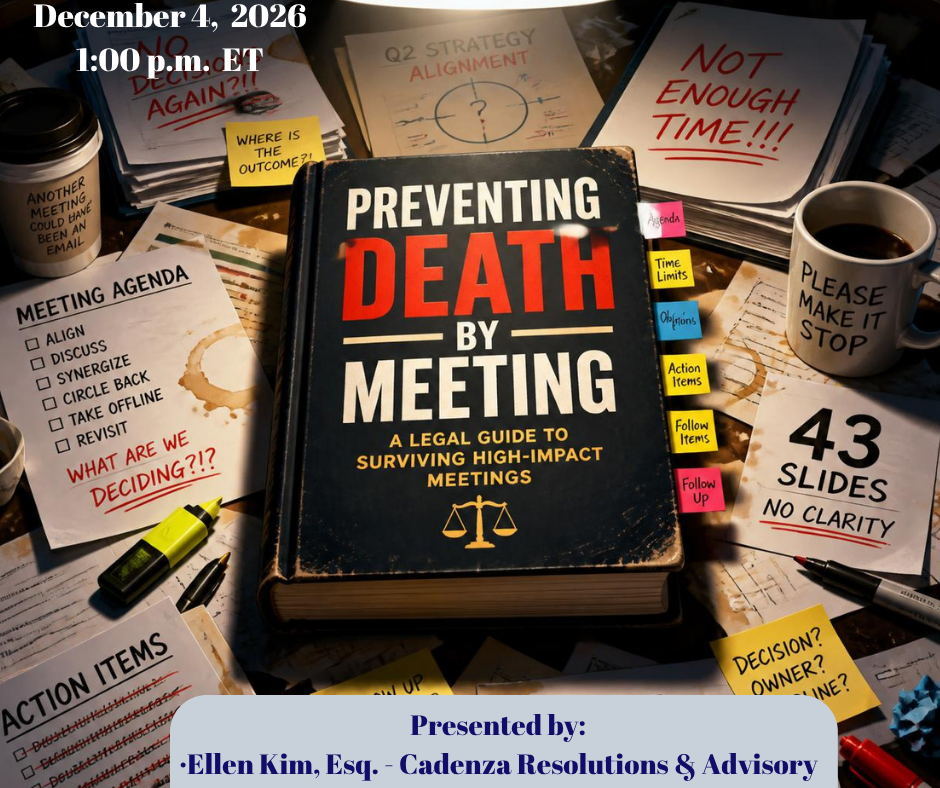
Lawyers lose hundreds of billable and operational hours every year to poorly managed meetings. Unfoc...

Class action litigation continues to expand in both number of filings and monetary exposure, with se...
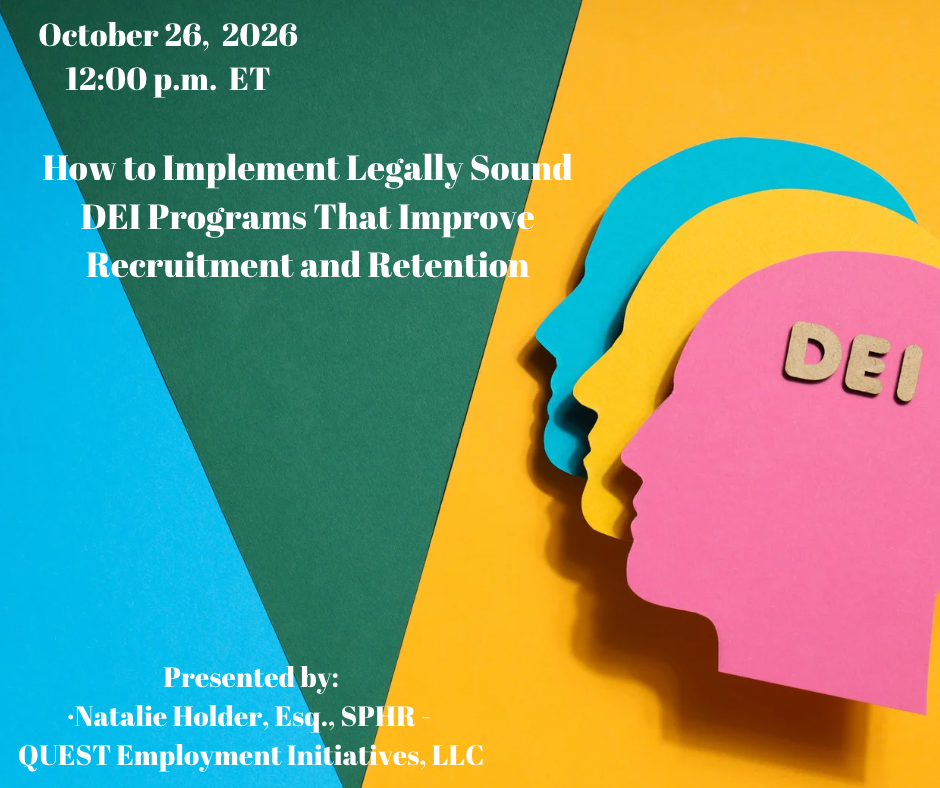
This program will discuss how to design and implement legally sound diversity, equity, and inclusion...

Adverse and derogatory information often has devastating effects on a contractor's ability to win co...

Data privacy remains one of the most rapid areas of growth in the class action space. Plaintiffs con...

During this course, you will learn about best practices and strategies for retaining intellectual pr...

The practice of law places legal professionals under extraordinary and often chronic stress, making ...
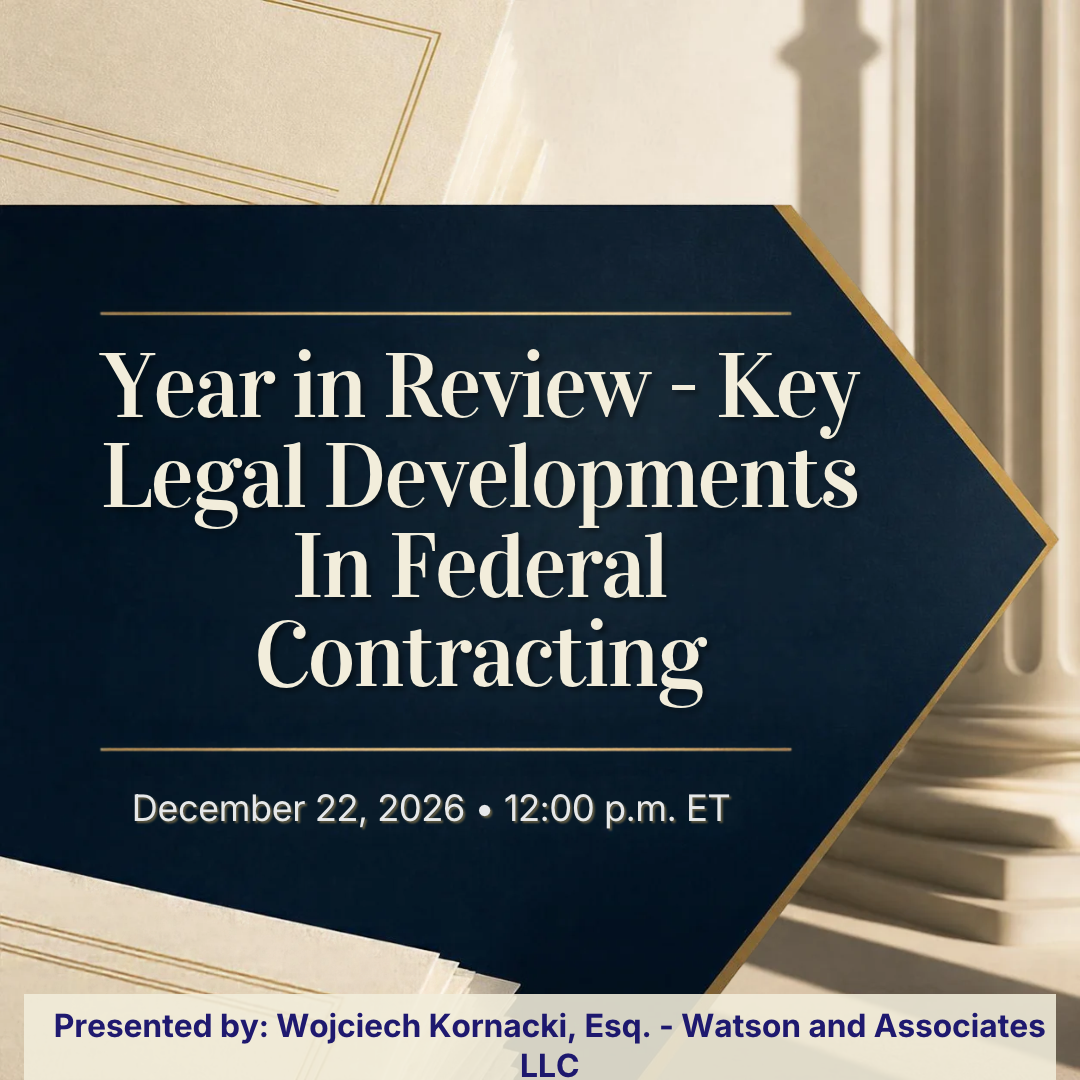
2026 was a very important year when it comes to federal procurement developments, Artificial Intelli...

I was wrongfully separated from the military and I will get no military pay and disability retiremen...
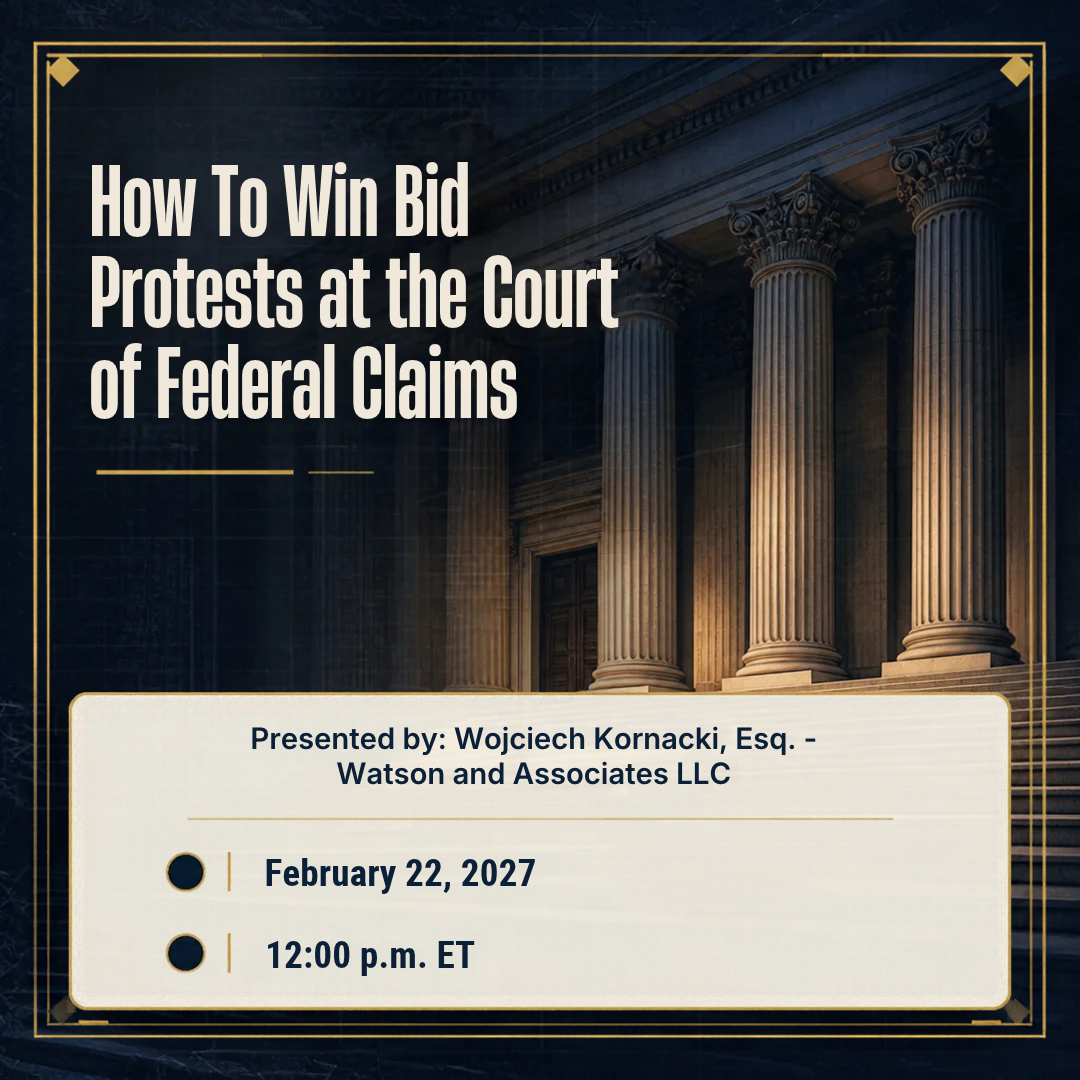
During this course you will take a deep dive into federal bid protest litigation at the U.S. Court o...