
Exciting new series on “Voice, Body and Movement for Lawyers – How to connect with the jury and find Justice Through Dramatic Technique!”
Click here to find out more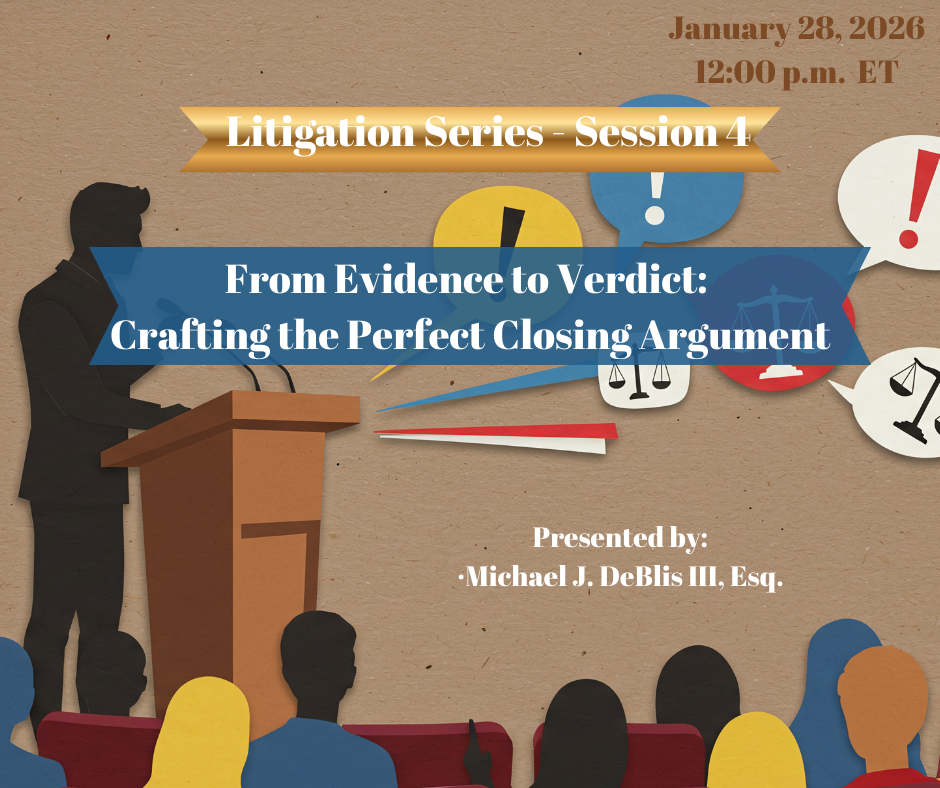
This program examines the strategy and artistry of closing argument, positioning it as a lawyer’s final opportunity to weave facts, law, and emotion into a unified, persuasive story. It highlights key techniques such as emphasizing credibility, returning to central themes, and speaking with authenticity so jurors feel guided rather than lectured.
The program stresses that great closings do not simply repeat evidence—they illuminate meaning, reinforce moral logic, and empower jurors to act with clarity and conviction.
‘A Lawyer’s Guide To Mental Fitness’ is a seminar designed to equip professionals ...
This course breaks down GAAP’s ten foundational principles and explores their compliance impli...
Review the basic software concepts and effective uses of generative AI, prompting strategies, and me...
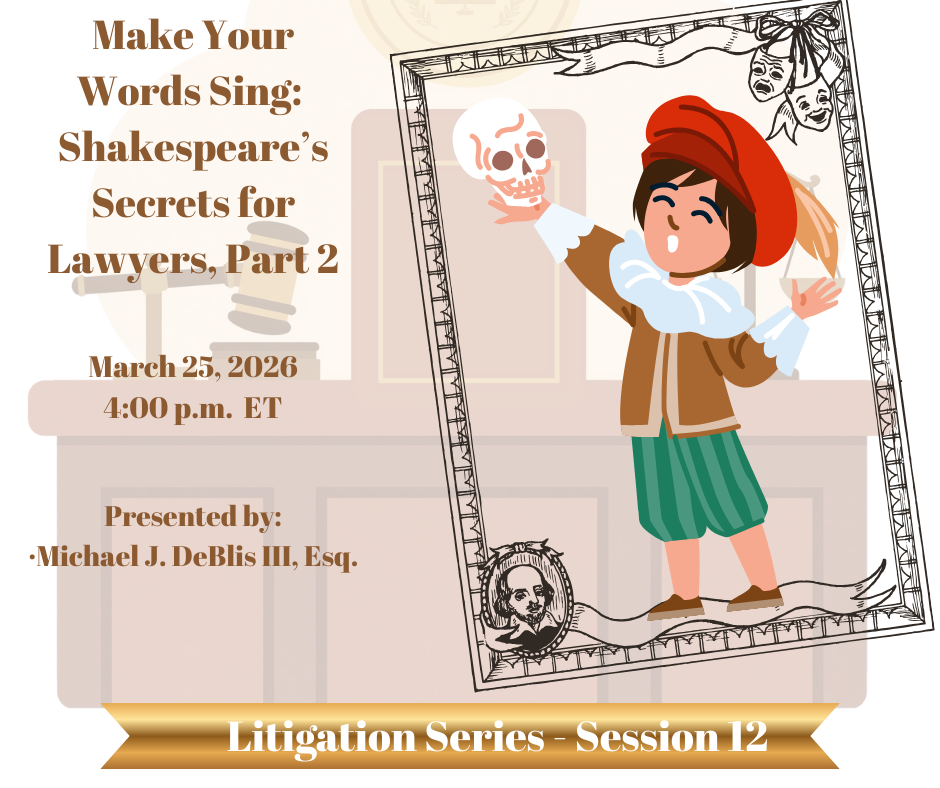
This companion program to Part 1 goes deeper into the rhetorical power of Shakespeare, emphasizing h...
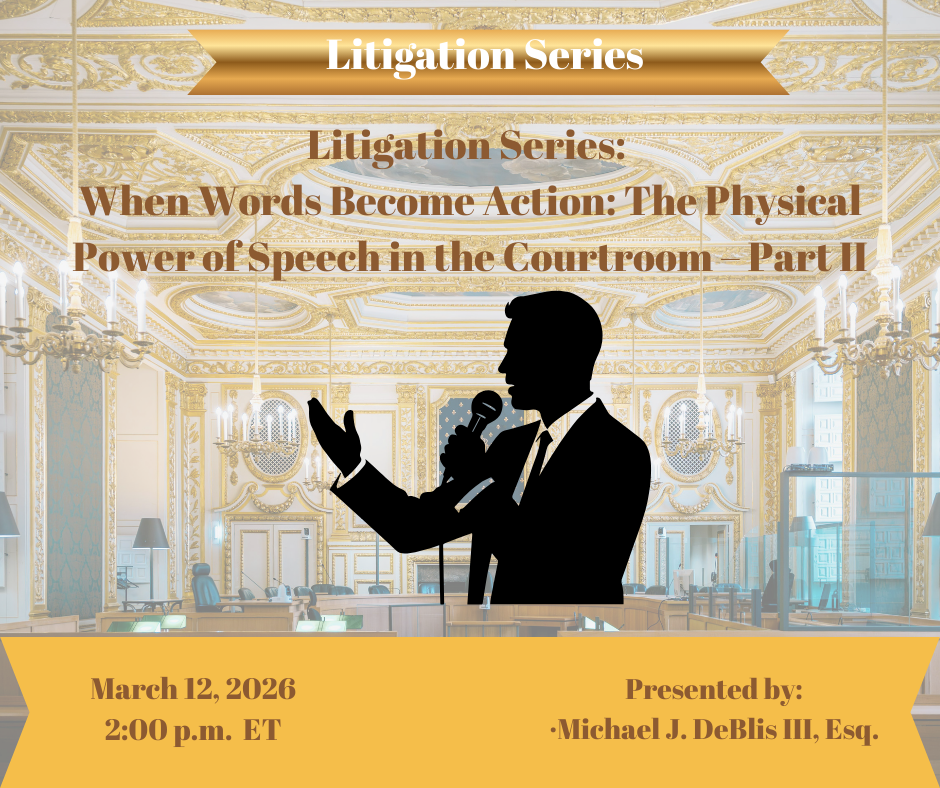
Part II builds on the foundation established in Part I by examining how classical rhetorical styles ...
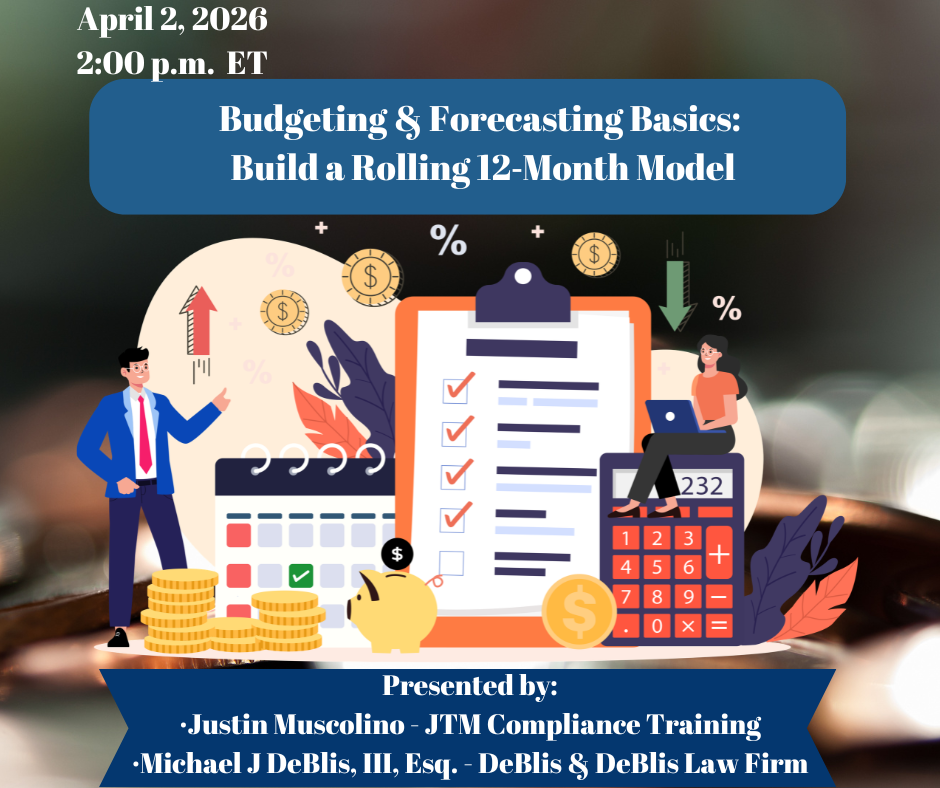
This CLE session introduces attorneys to budgeting and forecasting concepts used in corporate planni...
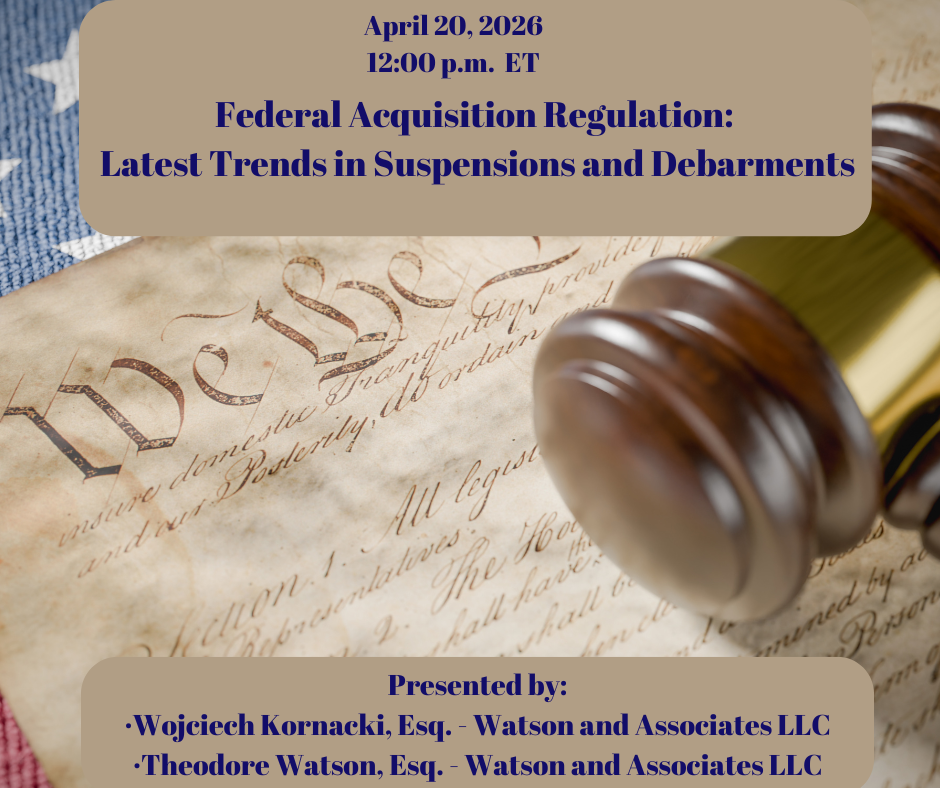
Learn about the latest trends in Federal Suspension and Debarments. This presentation will assist yo...
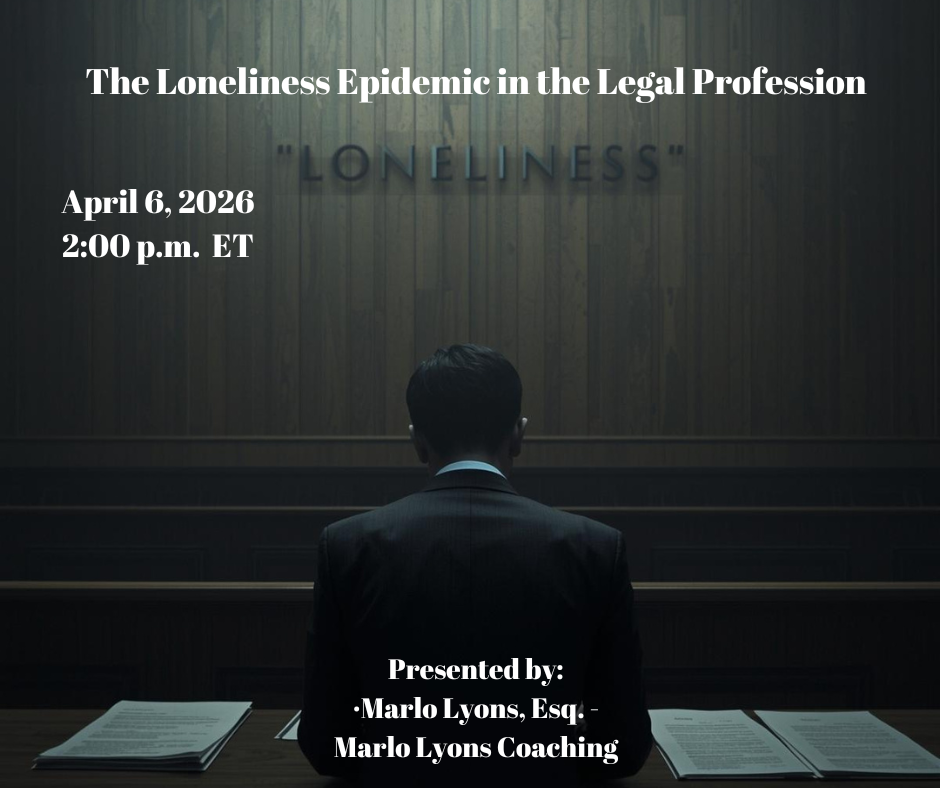
Loneliness isn’t just a personal issue; it’s a silent epidemic in the legal profession t...
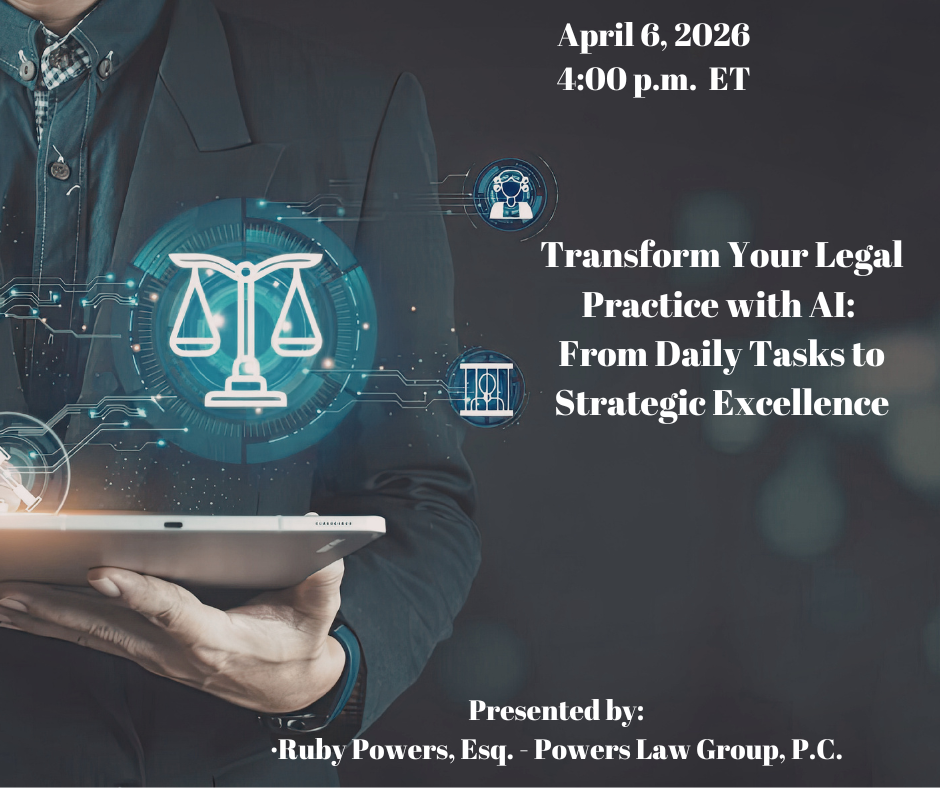
This course provides a strategic roadmap for attorneys to transition from administrative burnout to ...
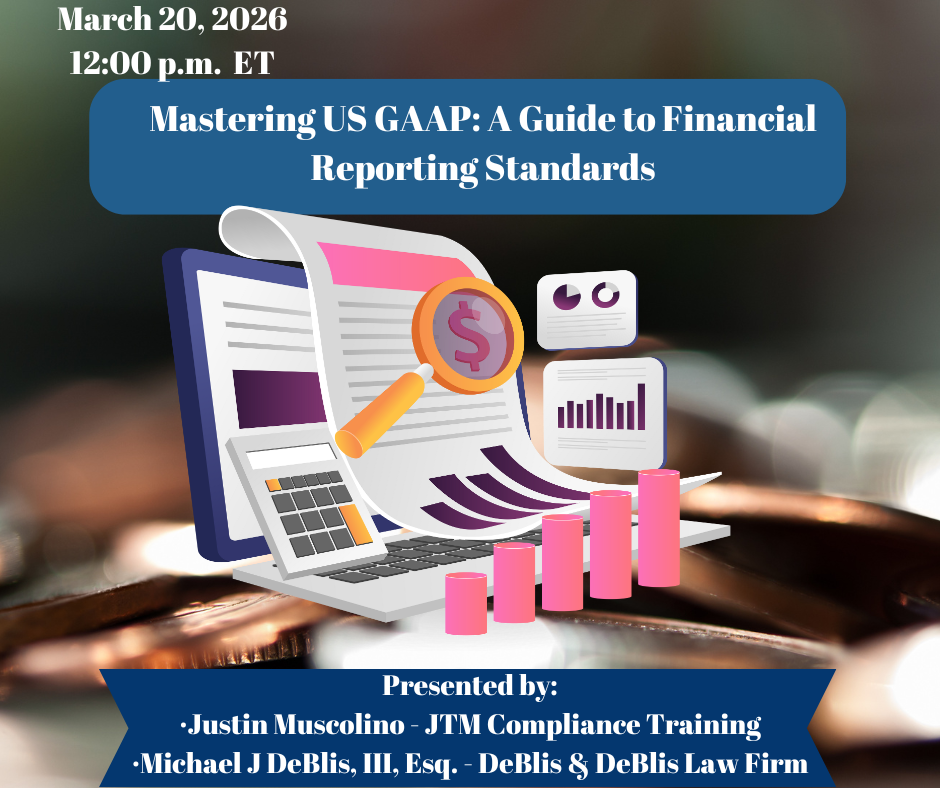
This advanced CLE dives into complex GAAP topics relevant to attorneys advising corporate, regulator...