
Exciting new series on “Voice, Body and Movement for Lawyers – How to connect with the jury and find Justice Through Dramatic Technique!”
Click here to find out more
Recent studies have shown that there has been a dramatic increase in impairment due to alcoholism, addiction and mental health disorders among members of the legal profession. The statistics are compelling and clearly indicate that 1 out of 3 attorneys will likely have a need for substance use or mental health services at some point in their careers. When added to the impact on the profession of the COVID-19 crisis and the resultant uncertainty, we have opened a Pandora’s box of unintended consequences.
Rule 8.3(c) of the Rules of Professional Conduct will be discussed as it relates to the duty to report attorney misconduct.
In addition to a breakdown of the results of the recent ABA and Law.Com studies, Mr. Quinn will discuss:
1. The early warning signs of impairment, including alcohol and drug use and mental health disorders such as depression, stress and anxiety.
2. The free services that Lawyers Assistance Programs provide to lawyers, judges, their family members and law students.
3. A close look at what barriers exist that prevent lawyers from seeking the help they need will be provided.
4. The role that education plays in breaking the stigma and fear associated with addiction and mental illness in the legal profession.
5. How best to approach the impaired individual who may be in denial and how to avoid enabling behavior.

This program provides trial attorneys with a thorough grounding in the three principal currency repo...
Confidentiality Agreements (also called NDAs) are too often treated as routine. So routine, th...
Class action waivers in arbitration agreements remain enforceable, but a decade of U.S. Supreme Cour...
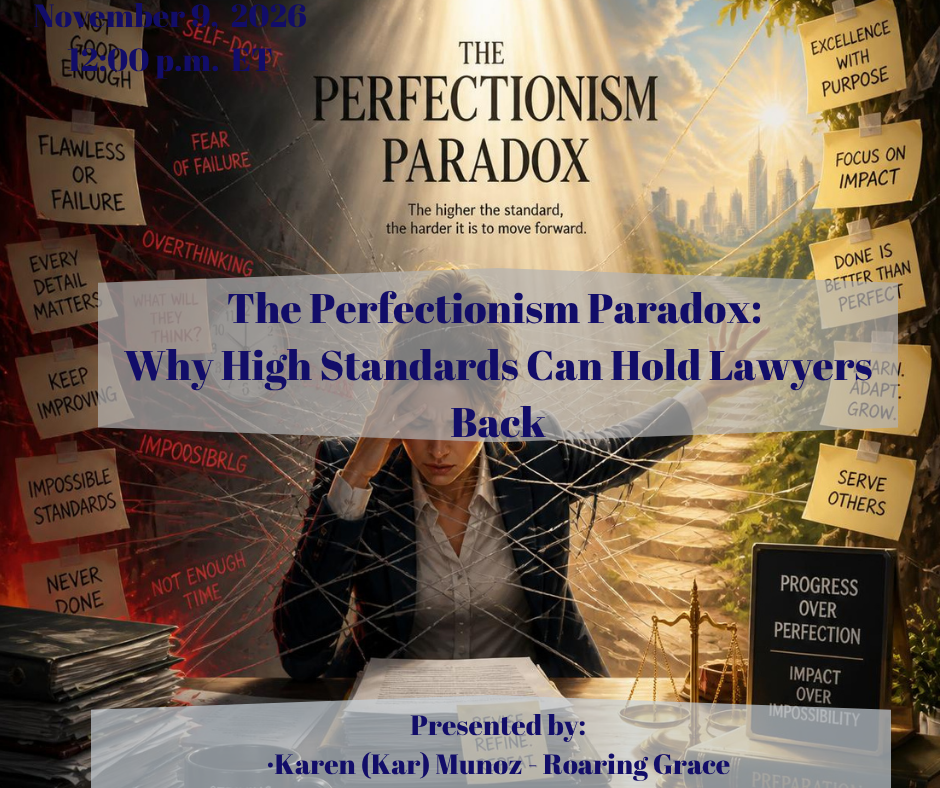
Perfectionism is often rewarded in the legal profession. It drives attention to detail, thorough pre...

Adverse and derogatory information often has devastating effects on a contractor's ability to win co...

I was wrongfully separated from the military and I will get no military pay and disability retiremen...

This course is meant for lawyers of all levels and areas of practice, and in it, we will explore way...
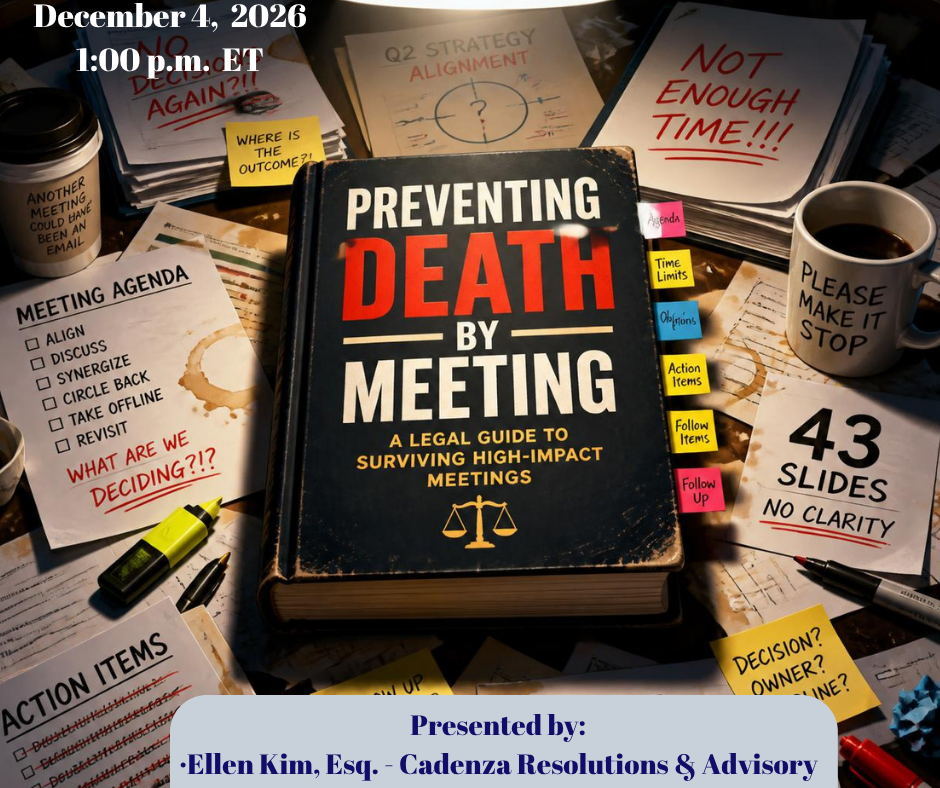
Lawyers lose hundreds of billable and operational hours every year to poorly managed meetings. Unfoc...

As the largest purchaser of goods and services in the world, the United States Government requires f...
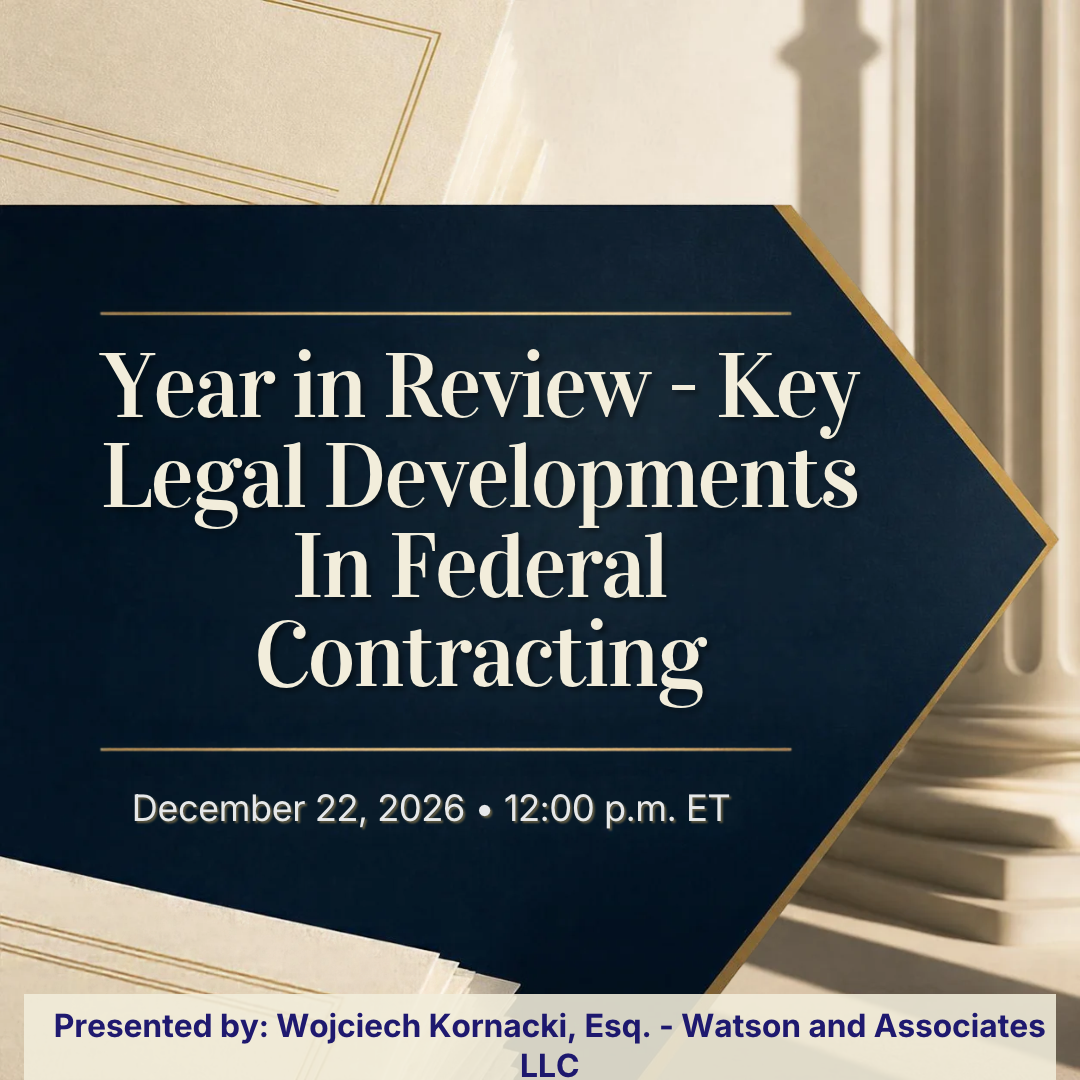
2026 was a very important year when it comes to federal procurement developments, Artificial Intelli...