
Exciting new series on “Voice, Body and Movement for Lawyers – How to connect with the jury and find Justice Through Dramatic Technique!”
Click here to find out more
With the Trump administration and Congress taking an innovate not regulate approach to consumer protection, data privacy and AI, states continue to fill the void, resulting in a patchwork of laws, both overlapping and differing in their approach. While California and Colorado are generally setting the high watermark, other states like Maryland, Minnesota and Oregon are in some ways exceeding that standard. Then there are state consumer health laws like Washington and Nevada, a proliferation of state AI legislation and a growing number of data broker regulatory regimes. States are all over the place on how to address the privacy and online safety of children and teens.
The panel will explain the similarities and differences in these laws, note enforcement trends and suggest ways an enterprise can operationalize privacy across states and globally. Comparison charts will be included with the course materials.

Part 1 of 2 - Lawyers at all levels of experience and even sophisticated law firms and general couns...

MODERATED-Attorneys may offer a crucial role in discussing advance (end of life) care planning optio...
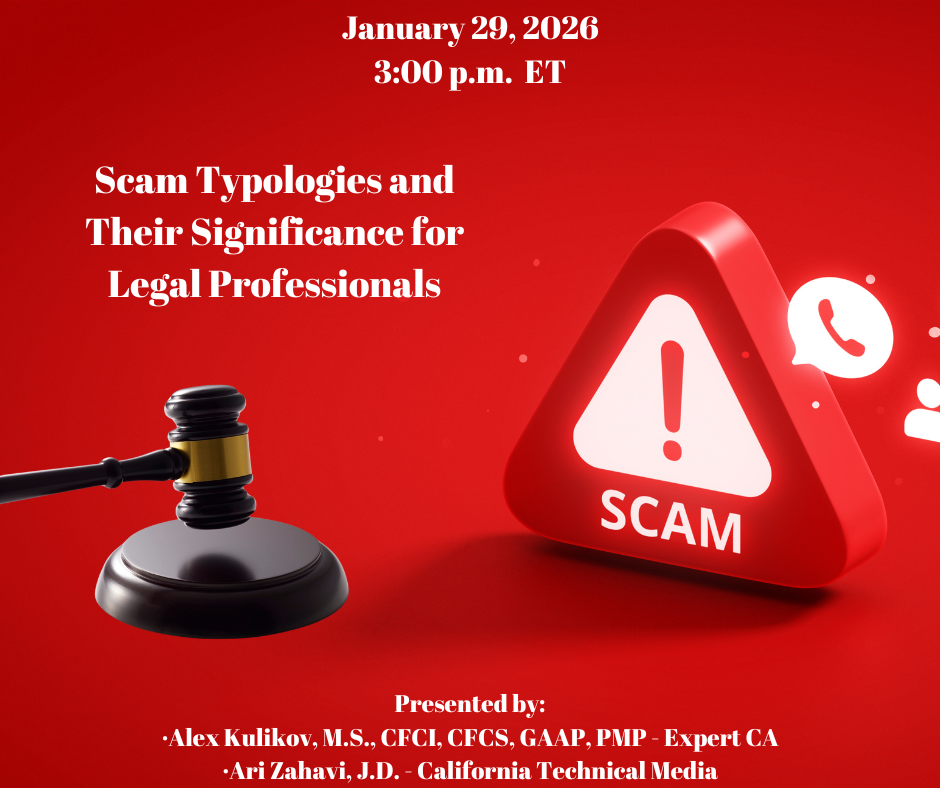
Scam typologies help legal professionals by providing a framework to understand, identify, and preve...

We are at that time again. Resolution time. Or maybe they’re already nothing more than another...

Part 2 of 2 - Lawyers at all levels of experience and even sophisticated law firms and general couns...
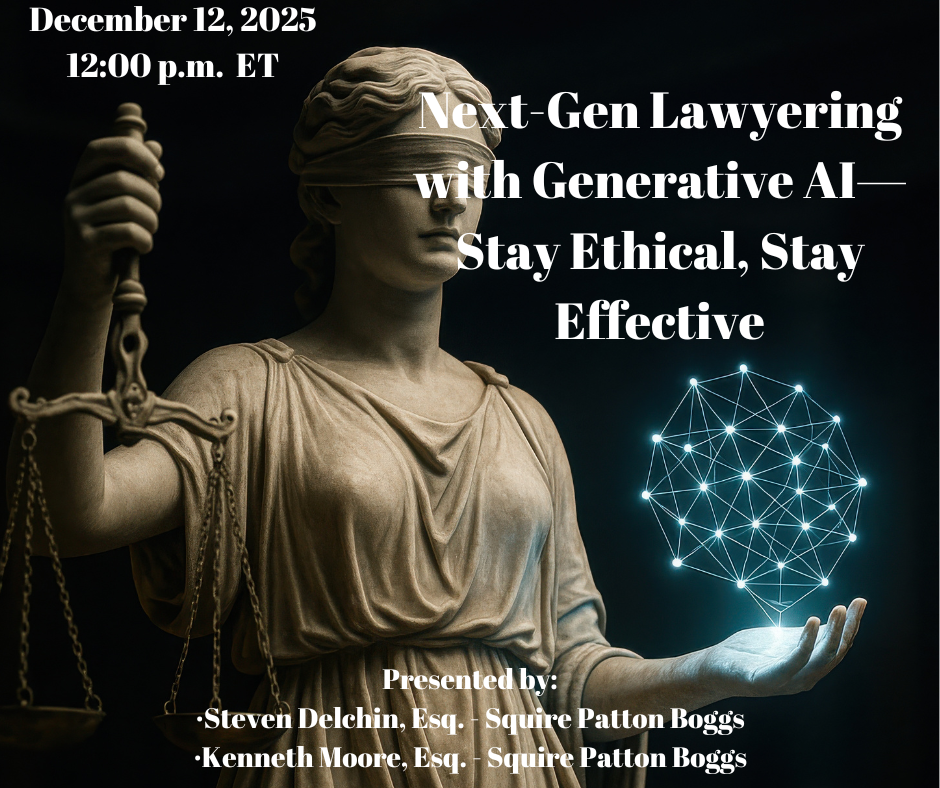
Generative AI is transforming how lawyers work, but it’s also raising new ethical and practica...
Designed for legal practitioners, this session explains the structure and purpose of GAAP through a ...
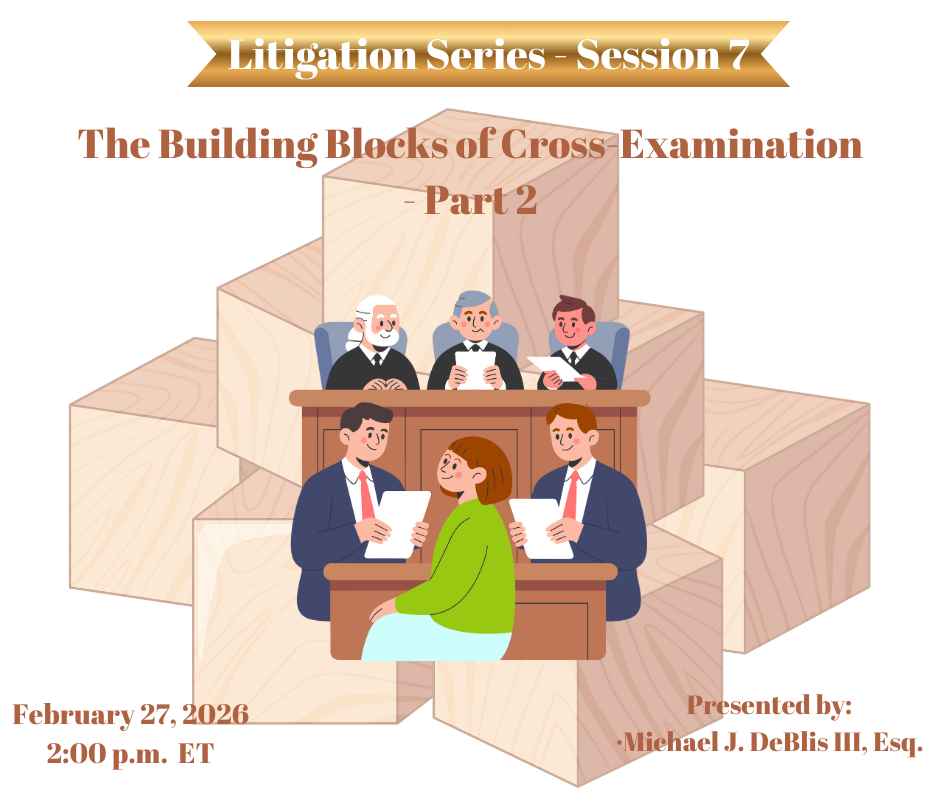
Part 2 dives deeper into advanced cross?examination techniques, teaching attorneys how to maintain c...
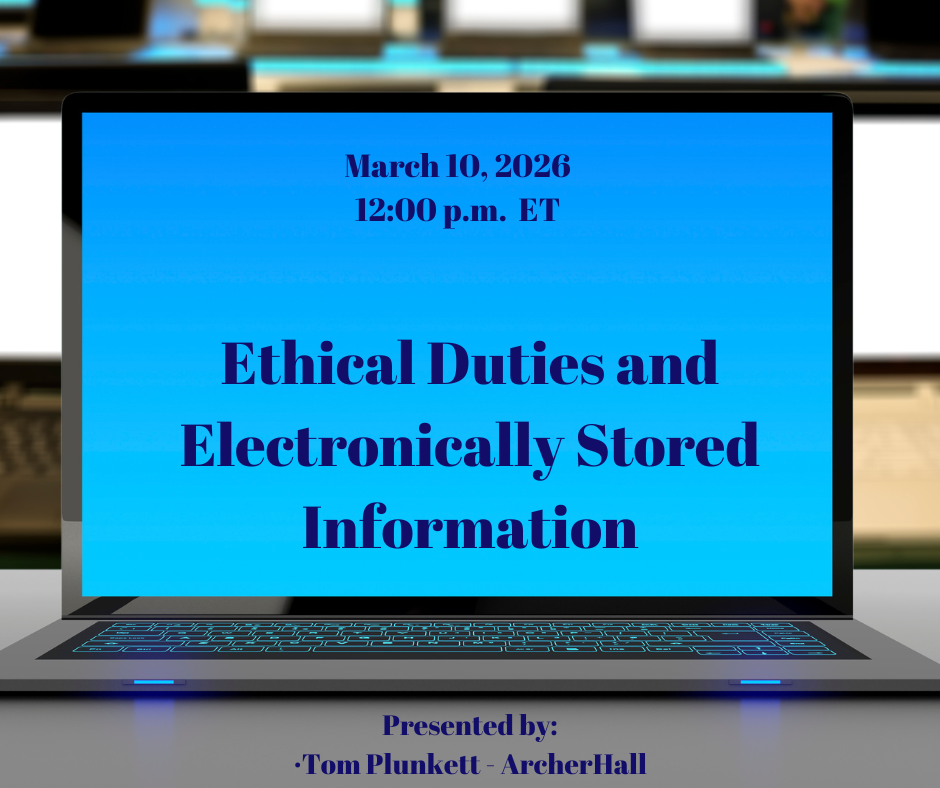
This Continuing Legal Education presentation covers electronic discovery and the related ethical dut...
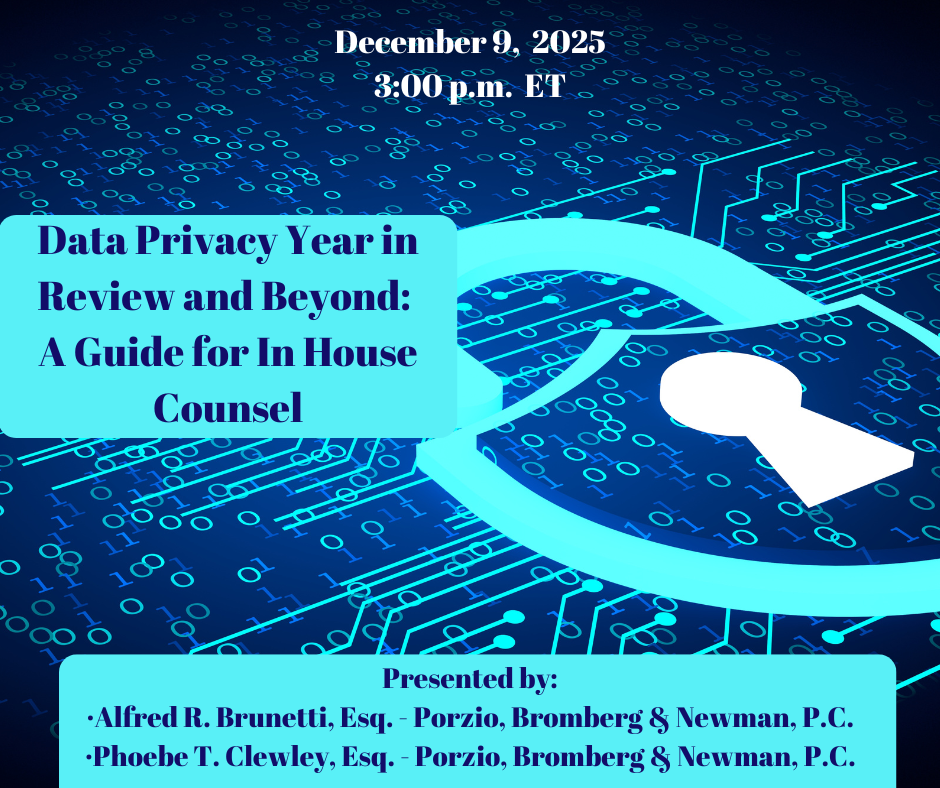
In today’s fast-evolving digital landscape, data privacy is no longer just a compliance checkb...