
Exciting new series on “Voice, Body and Movement for Lawyers – How to connect with the jury and find Justice Through Dramatic Technique!”
Click here to find out more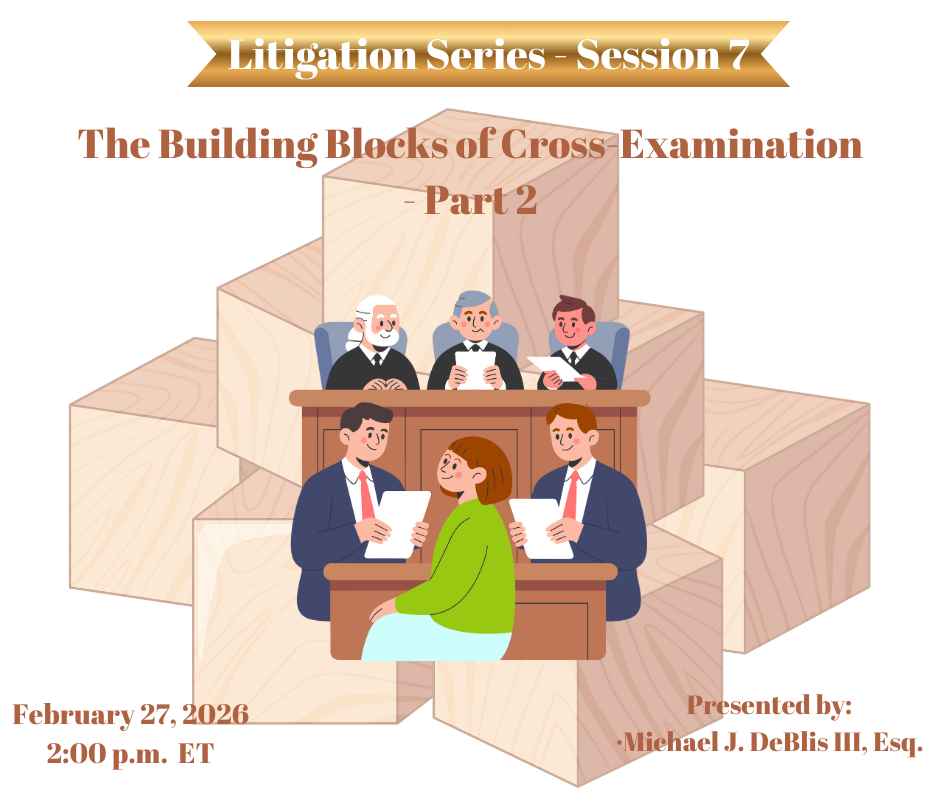
Part 2 dives deeper into advanced cross?examination techniques, teaching attorneys how to maintain control, structure questioning sequences, and expose weaknesses without appearing aggressive. It focuses on the psychological aspects of witness management, demonstrating how pacing, tone, and precision can reveal inconsistencies more effectively than confrontation.
Overall, the presentation emphasizes discipline, preparation, and the power of short, leading questions to shape testimony and influence juror perception.
Attorneys will receive a comparative analysis of GAAP and IFRS with emphasis on cross-border legal c...
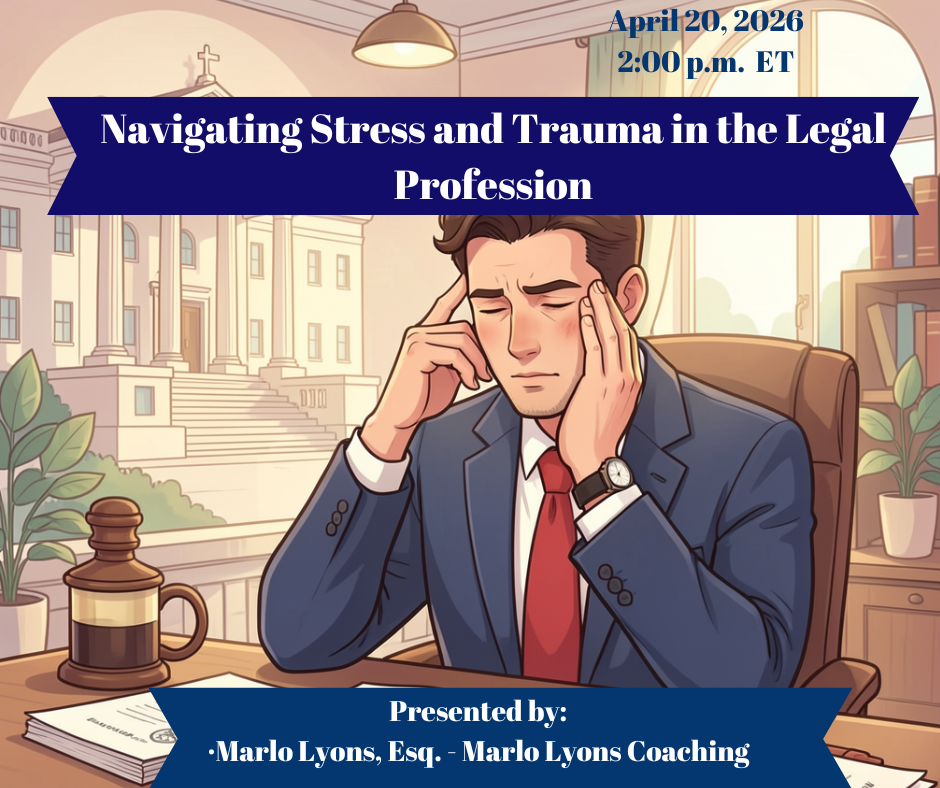
Navigating Stress and Trauma in the Legal Profession, explores the unique challenges faced by legal ...
This program will address the ethical obligations of Lawyer Advocates representing clients in arbitr...
Explore the transformative potential of generative AI in modern litigation. “Generative AI for...

This program will address some of the most common intellectual property (IP) issues that arise in co...

This course will provide a detailed overview of the Medicare Secondary Payer act as well as provide ...
Evidence Demystified Part 1 introduces core evidentiary principles, including relevance, admissibili...
Aligning Your Legal Career with Your Values, explores the profound impact of values alignment on ind...
Evidence Demystified Part 2 covers key concepts in the law of evidence, focusing on witnesses, credi...
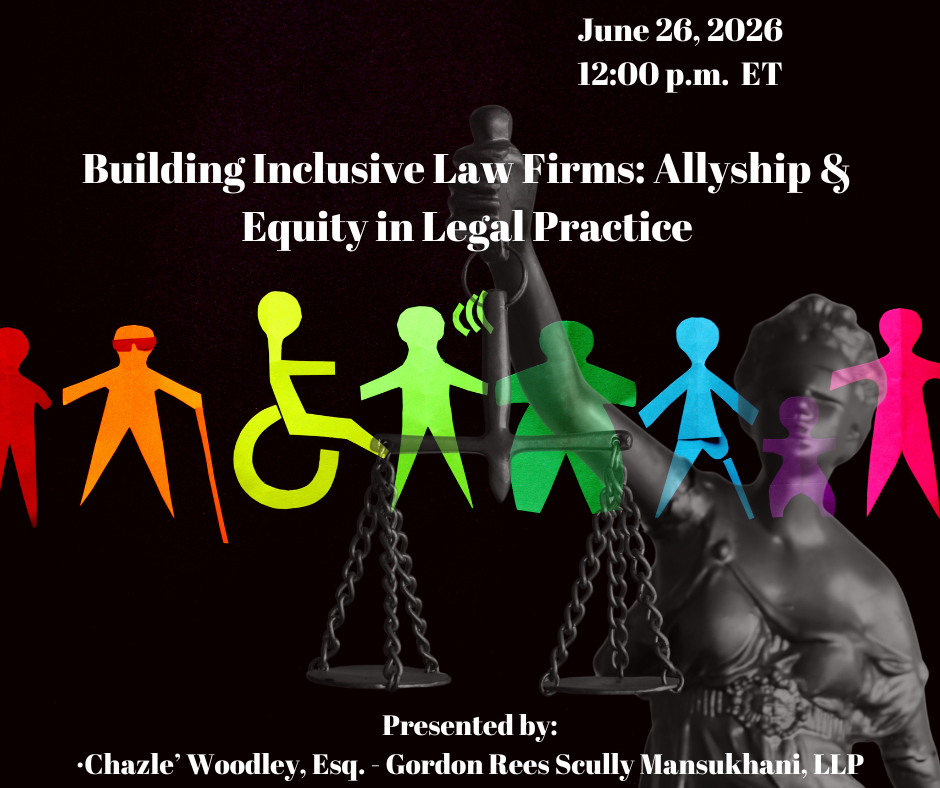
This interactive course is designed to equip legal professionals with the knowledge, tools, and stra...