
Exciting new series on “Voice, Body and Movement for Lawyers – How to connect with the jury and find Justice Through Dramatic Technique!”
Click here to find out more
For over 15 years, we have collaborated in legal and entrepreneurial endeavors. We are from different generations, and have each contributed to the other’s development.
This course will focus on some of the principal lessons we have learned and how they can apply to improving your practice and growing your client roster including the importance of Perseverance, Entrepreneurship, Mentorship, and Belongingness. Along the way, we all face many ethical challenges, and we will review how to abide by the ethical rules in applying these lessons.
The program will include the following sections of the American Bar Association Model Rules of Professional Conduct and state and court civility codes.
ABA Model Rules:
• Preamble, Rules 1.1 Competence
• 1.3 Diligence
• 1.4 Communication
• 5.1-5.3 Supervisory Responsibilities
• 5.5 Unauthorized Practice & Multijurisdictional Practice
• 8.4 Misconduct.
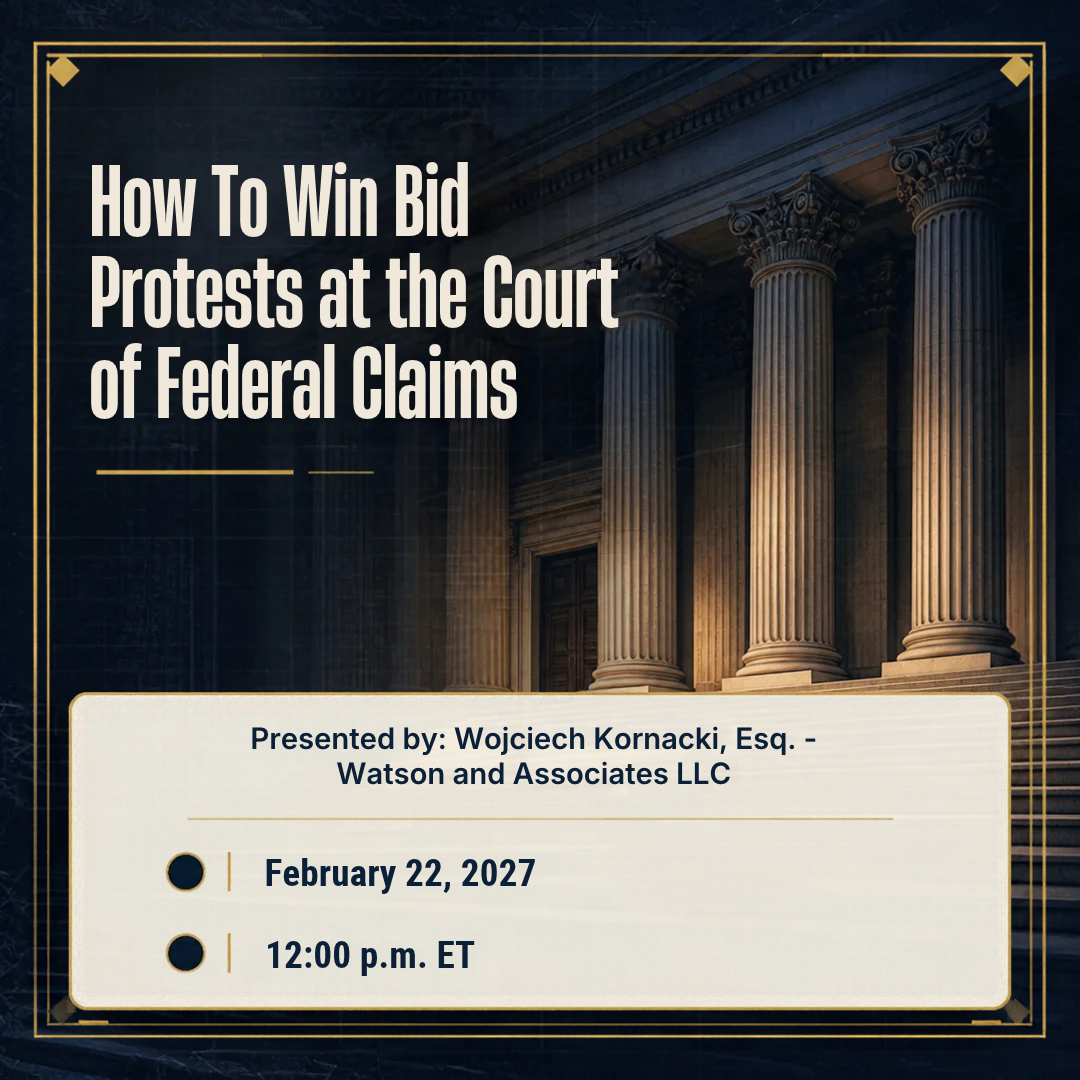
During this course you will take a deep dive into federal bid protest litigation at the U.S. Court o...

During this course, you will learn about best practices and strategies for retaining intellectual pr...
This program provides a practical roadmap to mastering every stage of the discovery process in civil...
Data privacy remains one of the most rapid areas of growth in the class action space. Plaintiffs con...
Class action litigation presents significant legal and business challenges for employers and corpora...
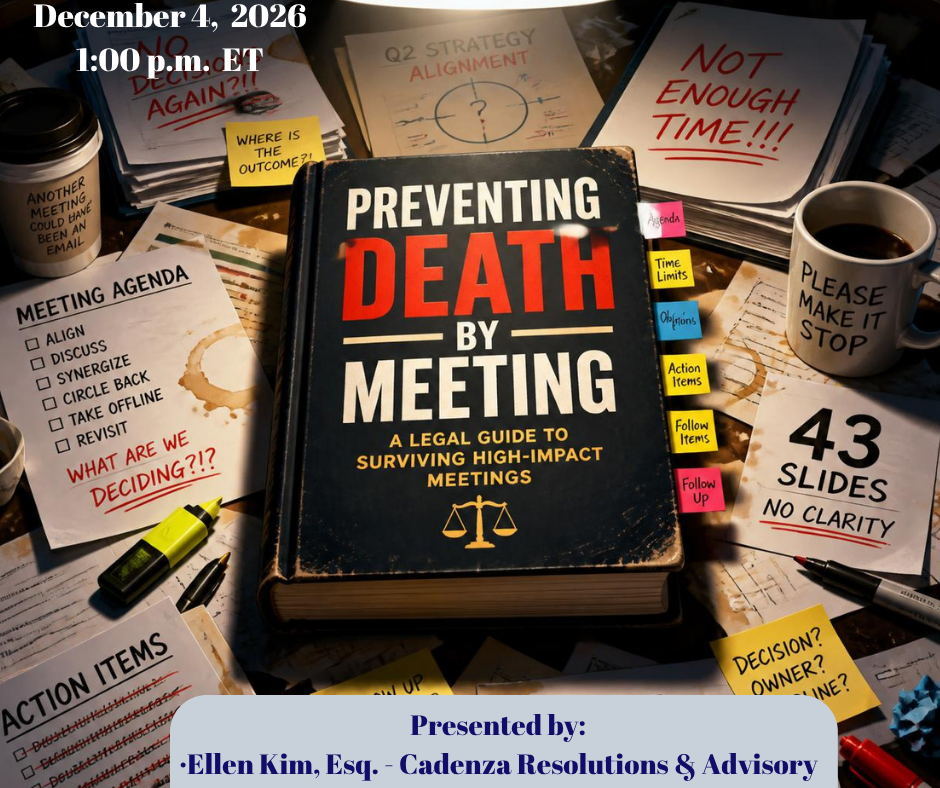
Lawyers lose hundreds of billable and operational hours every year to poorly managed meetings. Unfoc...
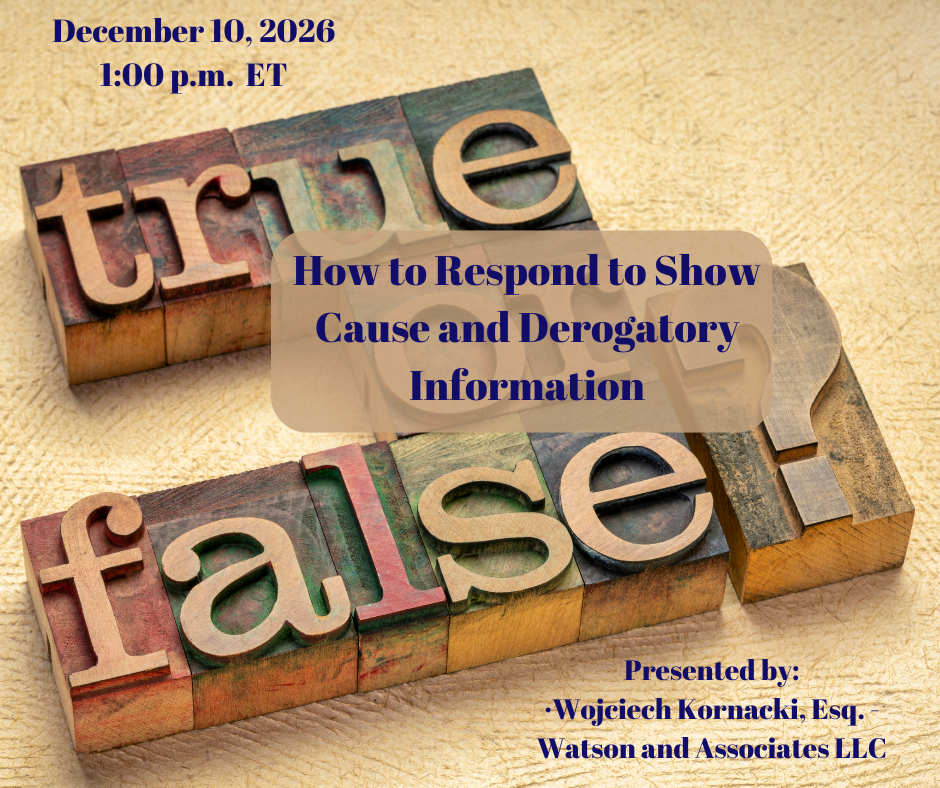
Adverse and derogatory information often has devastating effects on a contractor's ability to win co...
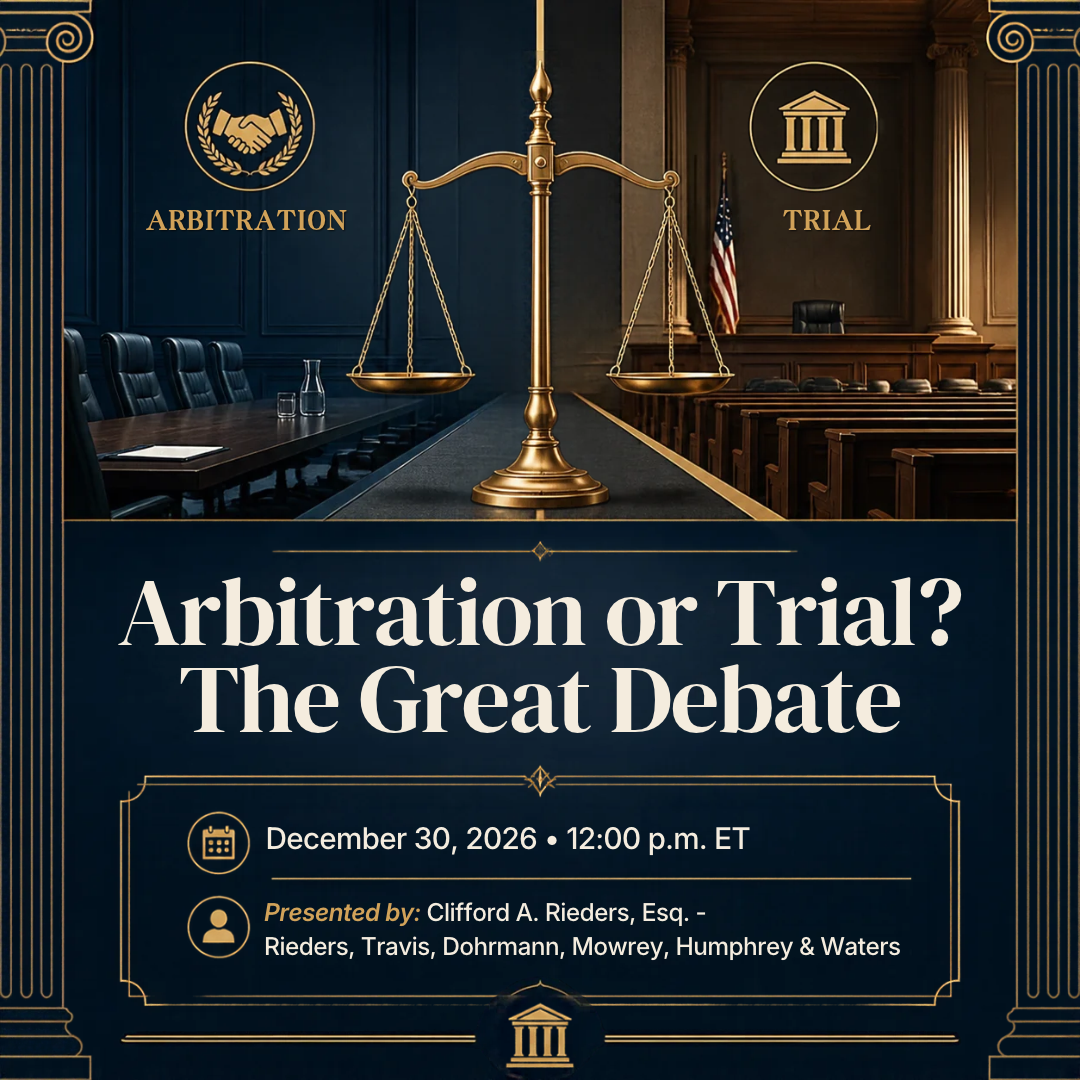
This seminar concerns a scope, jurisdiction, and exceptions to the Federal Arbitration Act. The Act ...
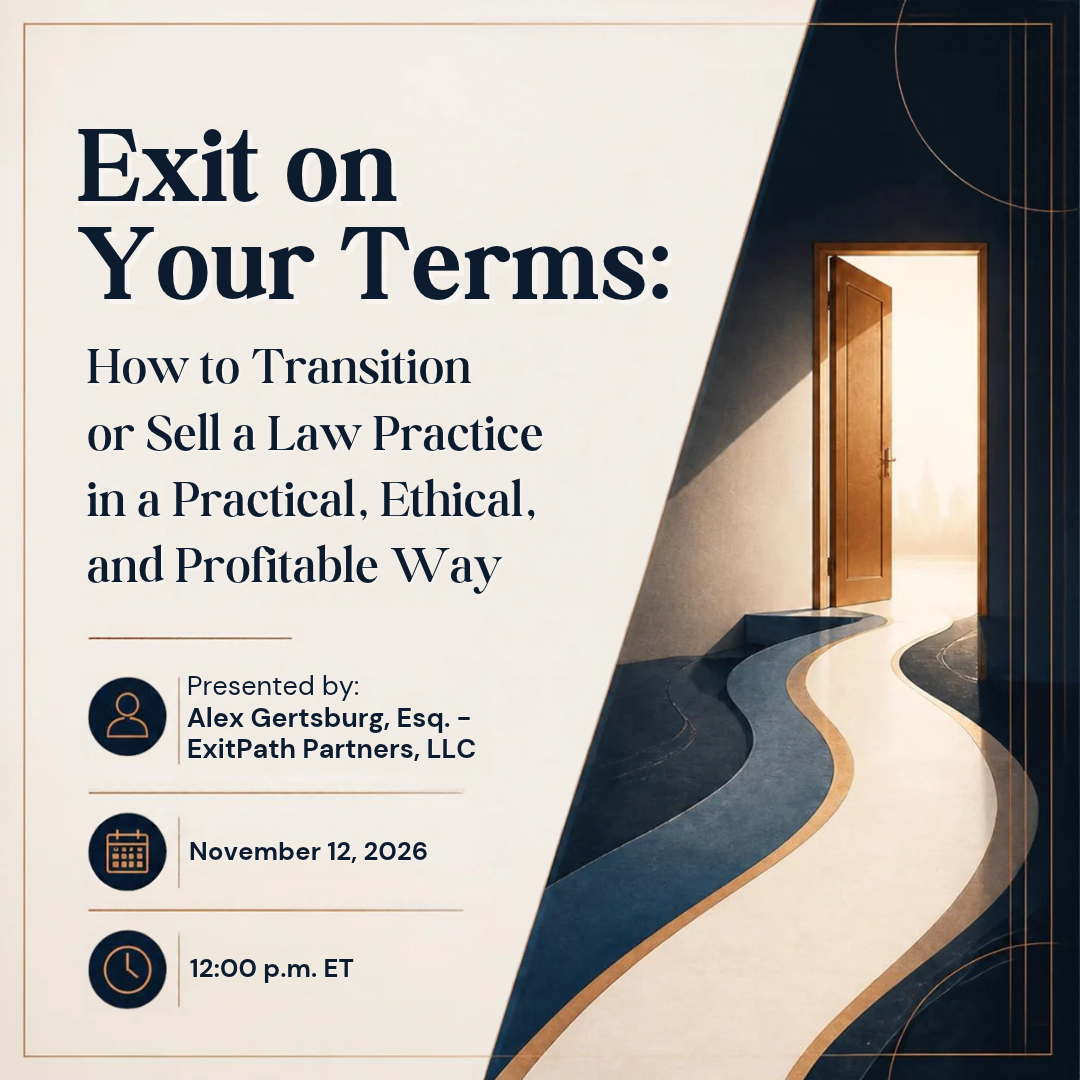
Turn decades of client relationships into lasting equity. This practical CLE shows attorneys how to ...
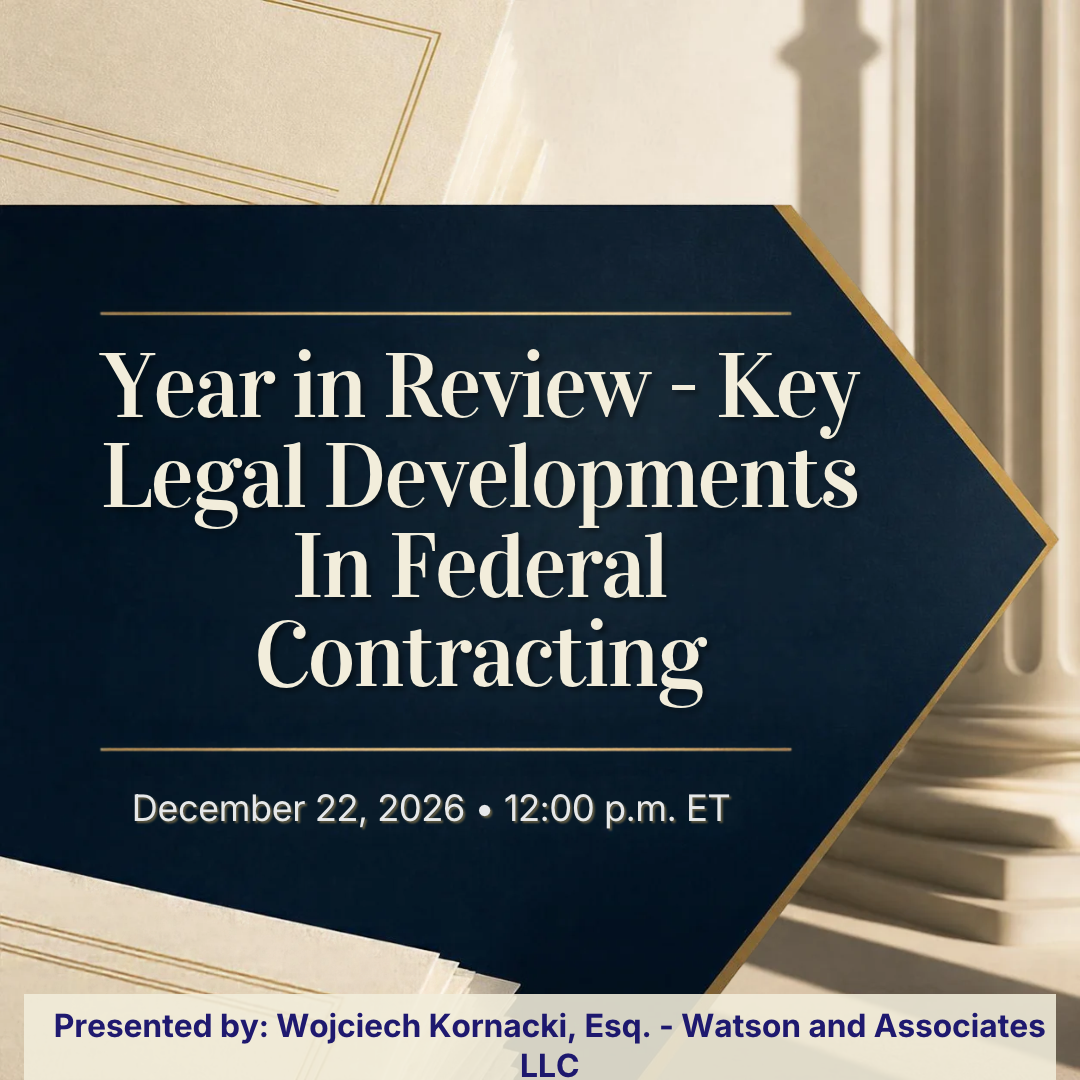
2026 was a very important year when it comes to federal procurement developments, Artificial Intelli...