
Exciting new series on “Voice, Body and Movement for Lawyers – How to connect with the jury and find Justice Through Dramatic Technique!”
Click here to find out more
Who ever thought that Fred Astaire was the Patron Saint of direct examination? In direct examination, your job is to make the witness and the story she is telling interesting, compelling, and credible. With that in mind, direct examination is analogous to two dancers dancing in a duet. Just like one of the partners attempts to fade into the background so that the other partner can become the focus of the audience’s attention, so too must the direct examiner fade into the background so that the witness can become the focus of the jurors’ attention. But how can that be done in a courtroom -- to wit, a hostile environment that is a far cry away from a concert hall? Join me as I take you on a journey through direct examination.

I was wrongfully separated from the military and I will get no military pay and disability retiremen...
Class action waivers in arbitration agreements remain enforceable, but a decade of U.S. Supreme Cour...

As the largest purchaser of goods and services in the world, the United States Government requires f...
This program provides a practical roadmap to mastering every stage of the discovery process in civil...

During this course, you will learn about best practices and strategies for retaining intellectual pr...

2026 was a very important year when it comes to federal procurement developments, Artificial Intelli...
The practice of law places legal professionals under extraordinary and often chronic stress, making ...
Class action litigation presents significant legal and business challenges for employers and corpora...
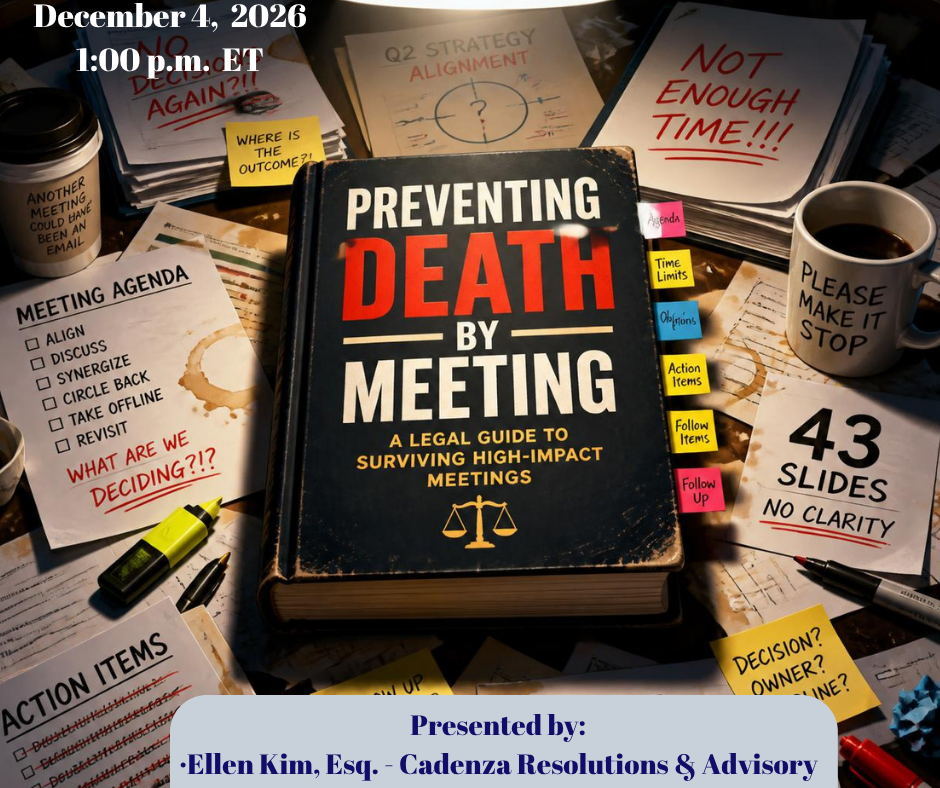
Lawyers lose hundreds of billable and operational hours every year to poorly managed meetings. Unfoc...
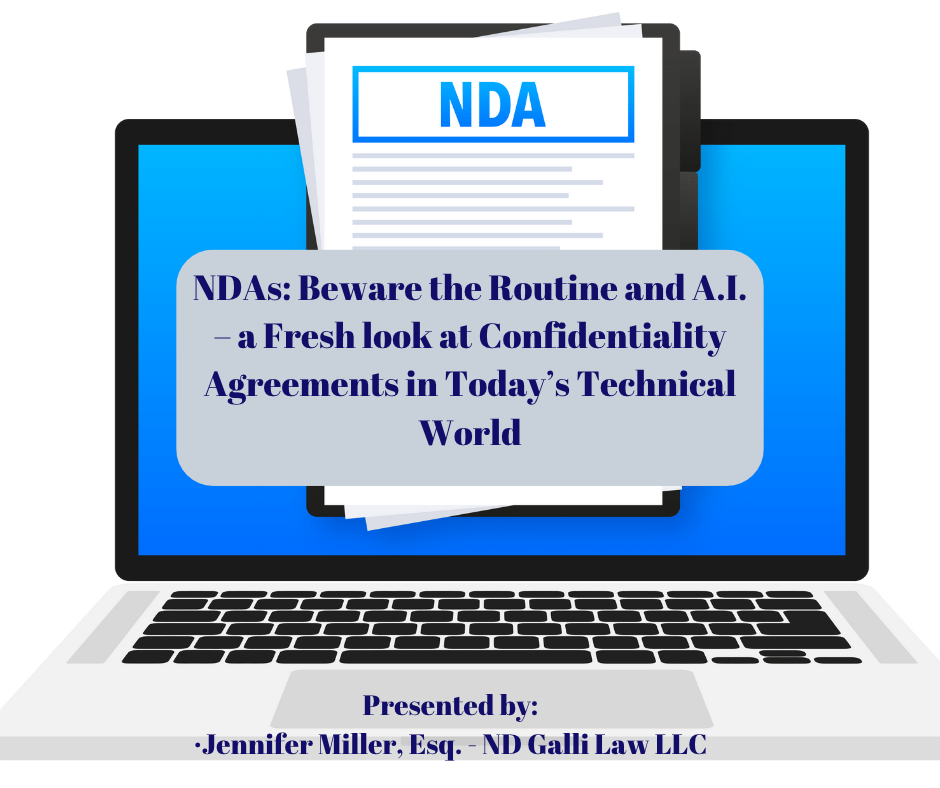
Confidentiality Agreements (also called NDAs) are too often treated as routine. So routine, th...