
Exciting new series on “Voice, Body and Movement for Lawyers – How to connect with the jury and find Justice Through Dramatic Technique!”
Click here to find out more
Insurance bad faith claims can increase litigation risks for insurers. The claims are often tort rather than contract based. In some jurisdictions, even punitive damages are in play. Where possible, it is advisable that insurers try to eliminate such claims before trial, or determine whether they will face a bad faith claim before a jury. In many cases, there are opportunities for an insurer to try to defeat bad faith claims as a matter of law, on a motion to dismiss or demurrer, motion for summary judgment, or motion in limine.
This program explores techniques for litigating bad faith cases with an eye towards having the bad faith claim determined as a matter of law.
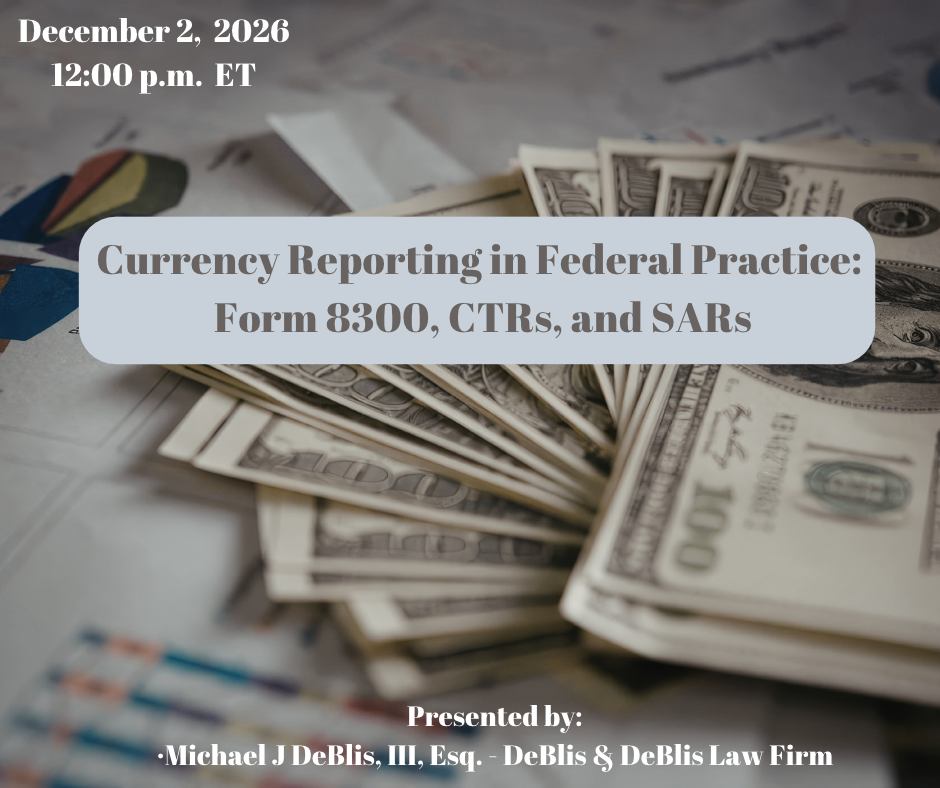
This program provides trial attorneys with a thorough grounding in the three principal currency repo...
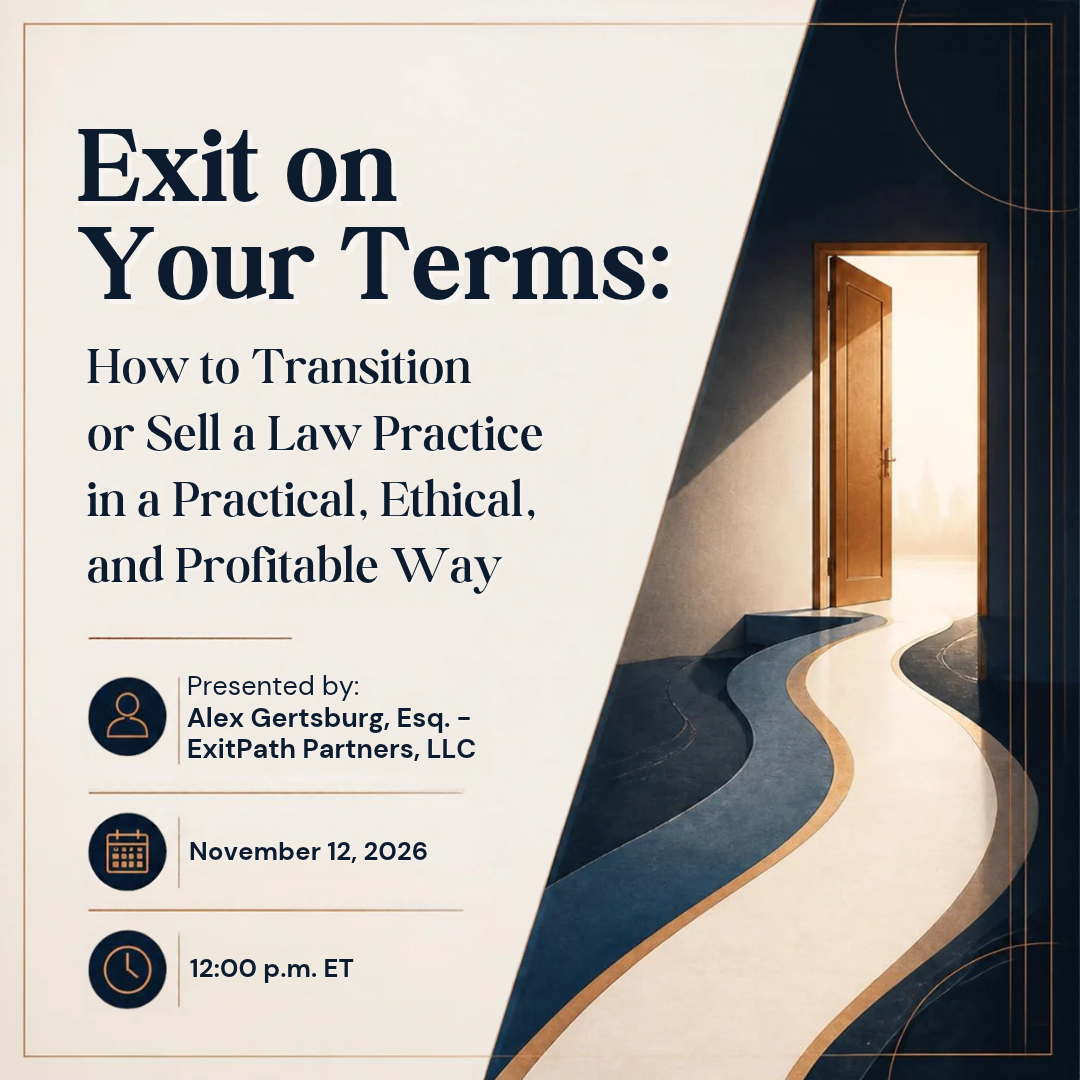
Turn decades of client relationships into lasting equity. This practical CLE shows attorneys how to ...

This program provides a practical roadmap to mastering every stage of the discovery process in civil...

During this course, you will learn about best practices and strategies for retaining intellectual pr...
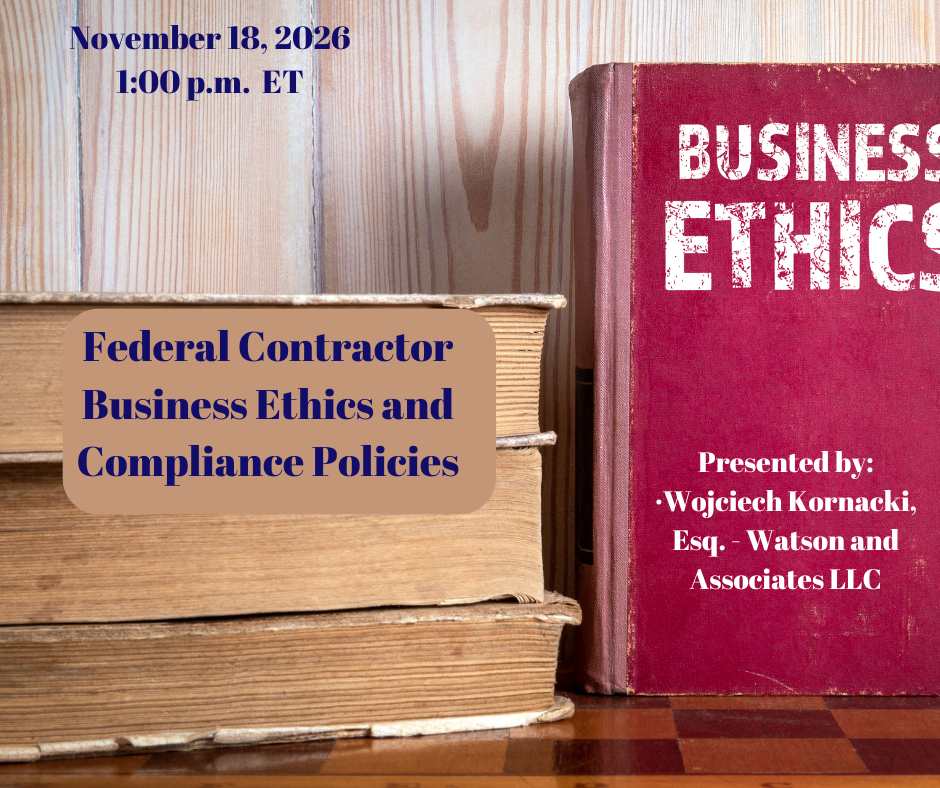
As the largest purchaser of goods and services in the world, the United States Government requires f...
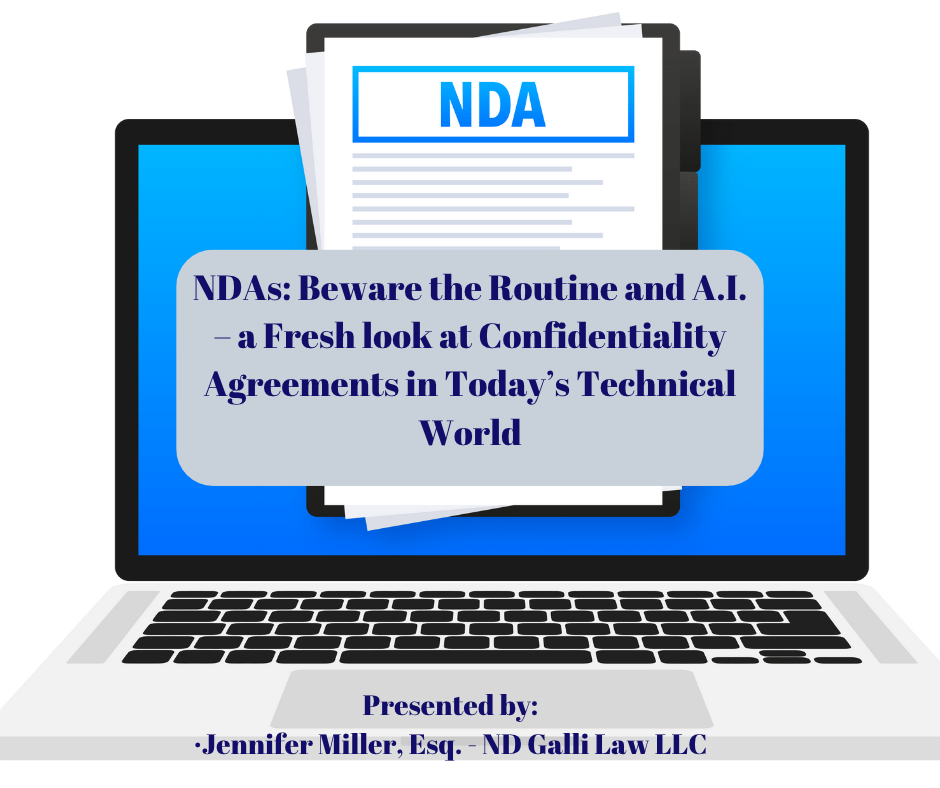
Confidentiality Agreements (also called NDAs) are too often treated as routine. So routine, th...
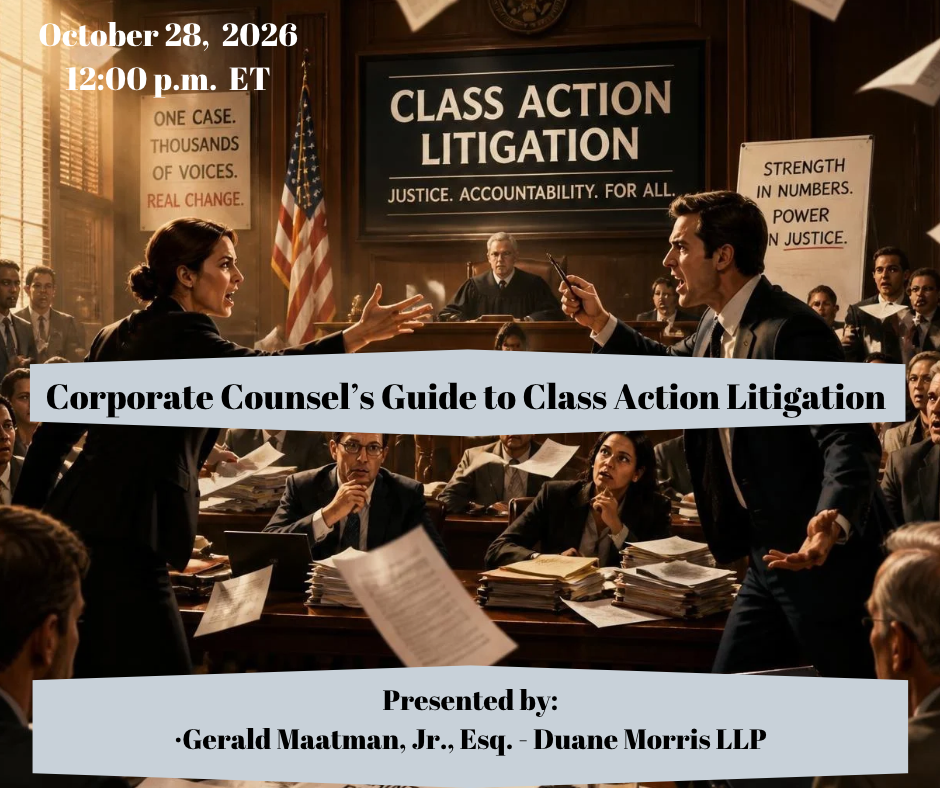
Class action litigation continues to expand in both number of filings and monetary exposure, with se...

Perfectionism is often rewarded in the legal profession. It drives attention to detail, thorough pre...

Data privacy remains one of the most rapid areas of growth in the class action space. Plaintiffs con...
Class action waivers in arbitration agreements remain enforceable, but a decade of U.S. Supreme Cour...