
Exciting new series on “Voice, Body and Movement for Lawyers – How to connect with the jury and find Justice Through Dramatic Technique!”
Click here to find out more
This course will benefit attorneys who assist clients with subjects they're not entirely knowledgeable about, which can potentially result in dissatisfied clients, lawsuits and/or IRS fines. Recently, the IRS issued confusing and little noticed regulations impacting advisors, including attorneys. If an attorney assists a client who is involved in what the IRS calls an abusive tax shelter, listed transaction or similar to, and gets paid, the attorney could be subject to IRS reporting requirements. Additionally, the attorney could be deemed a material advisor, which could result in large fines and penalties. This presentation will also discuss risks that life insurance licensed attorneys face.
Learning Objectives:
• Discuss common abusive tax shelters
• Discuss how an attorney could be deemed a material advisor and therefore be subject to IRS reporting requirements
• Explain captive insurance, conservation easements, Employee Retention Credits (ERC) and Foreign Bank Account Report (FBAR)
• Explore life insurance pitfalls
Confidentiality Agreements (also called NDAs) are too often treated as routine. So routine, th...
Lawyers lose hundreds of billable and operational hours every year to poorly managed meetings. Unfoc...
Class action litigation continues to expand in both number of filings and monetary exposure, with se...
This program provides a practical roadmap to mastering every stage of the discovery process in civil...
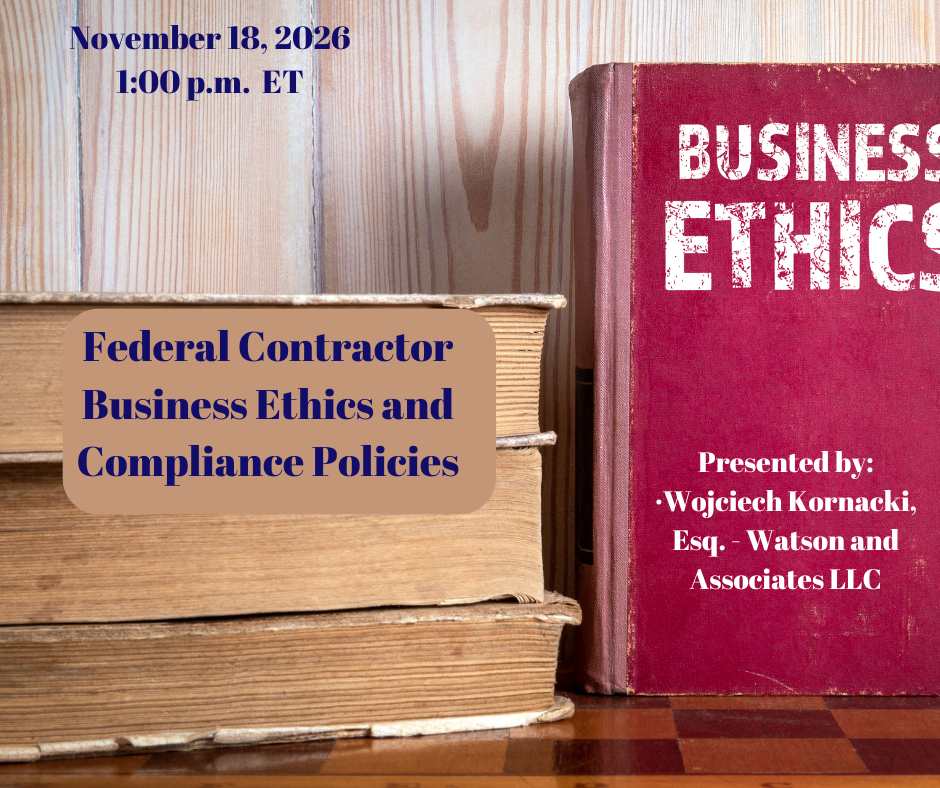
As the largest purchaser of goods and services in the world, the United States Government requires f...

This course is meant for lawyers of all levels and areas of practice, and in it, we will explore way...

I was wrongfully separated from the military and I will get no military pay and disability retiremen...

Perfectionism is often rewarded in the legal profession. It drives attention to detail, thorough pre...
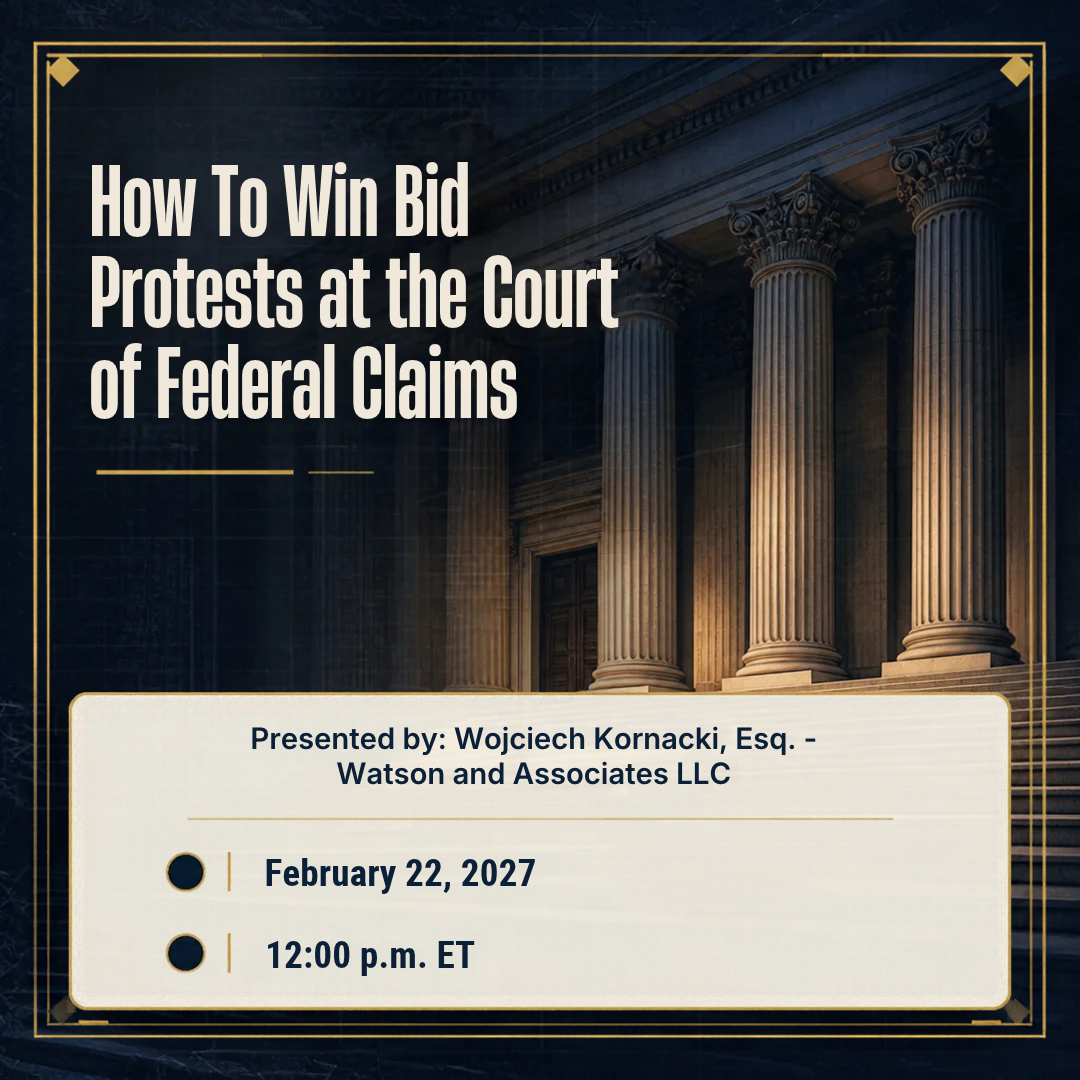
During this course you will take a deep dive into federal bid protest litigation at the U.S. Court o...
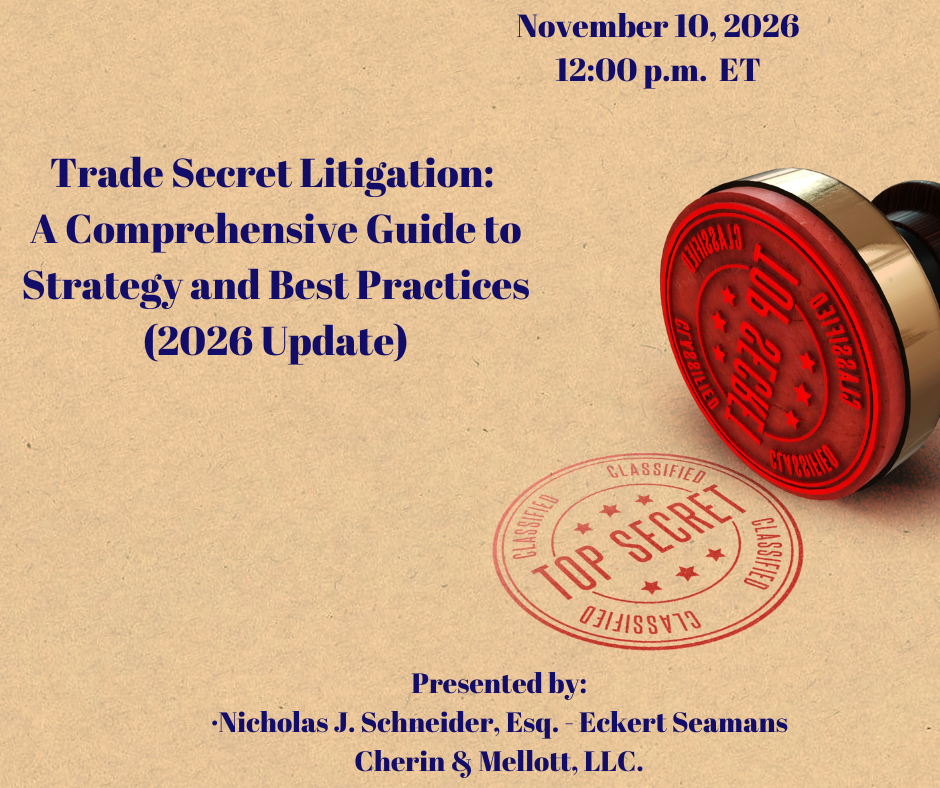
This course on trade secrets litigation provides real-world best practices through all key stages of...