
Exciting new series on “Voice, Body and Movement for Lawyers – How to connect with the jury and find Justice Through Dramatic Technique!”
Click here to find out more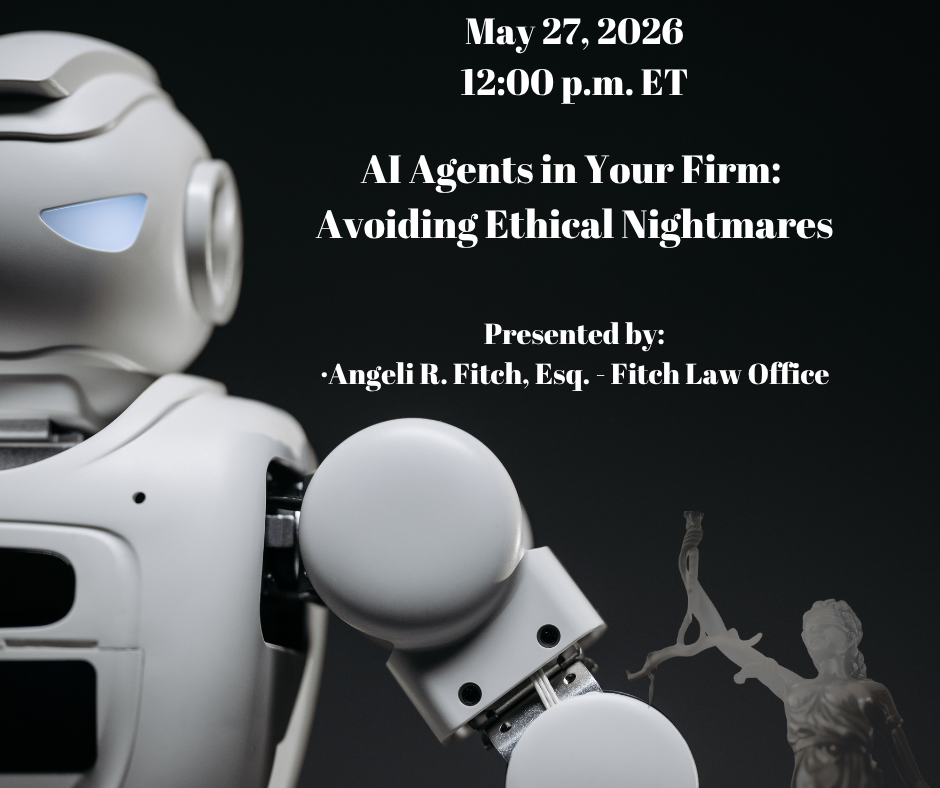
AI agents and generative AI tools are rapidly entering law firm workflows, including legal research, drafting, document review, internal operations, and client communication. This ethics program examines those tools through the framework of ABA Formal Opinion 512 and ABA Model Rules 1.1, 1.3, 1.4, 1.5, 1.6, 3.1, 3.3, 5.1, 5.3, and 8.4(c). Attendees will learn how duties of competence, diligence, confidentiality, communication, fee reasonableness, supervision, meritorious advocacy, candor to the tribunal, and honesty apply when lawyers and law firms use AI agents or other generative AI systems. The program also addresses hallucinated citations, disclosure to clients, billing for AI-assisted work, vendor due diligence, training and internal policy controls, and the lawyer’s continuing responsibility to review and verify all AI-assisted work product before it is provided to a client, third party, or tribunal.
ABA Authorities Covered
Note: This course provides ethics guidance grounded in ABA authorities. Attorneys remain responsible for reviewing the rules, ethics opinions, and court requirements that govern AI use in their own jurisdiction.
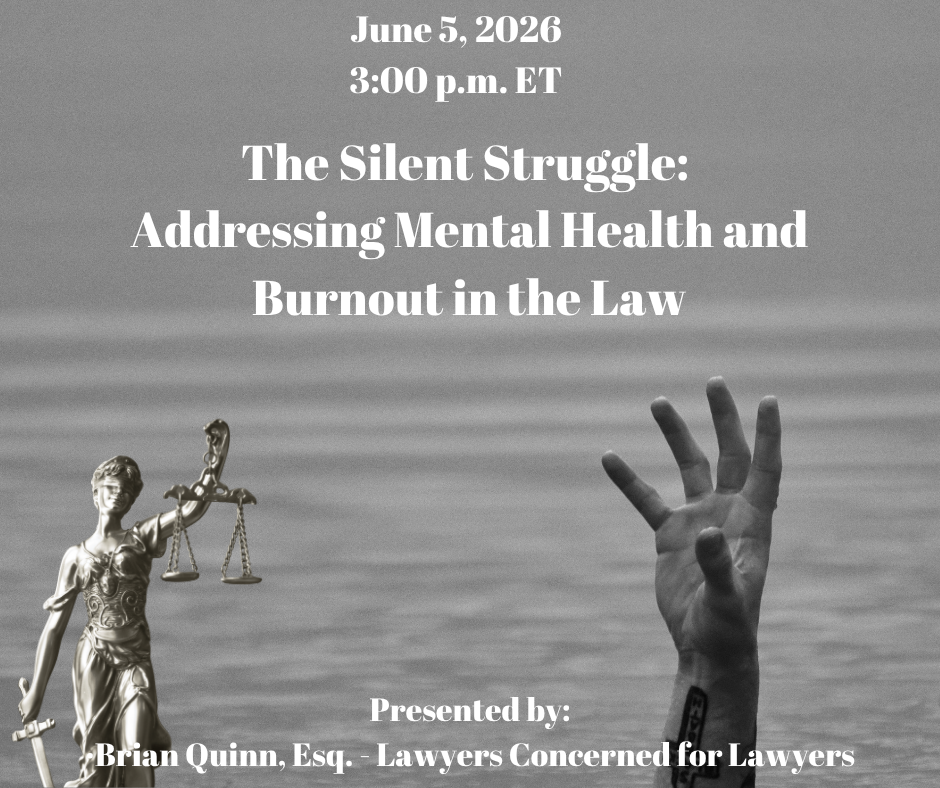
Recent studies have shown that there has been a dramatic increase in impairment due to alcoholism, a...
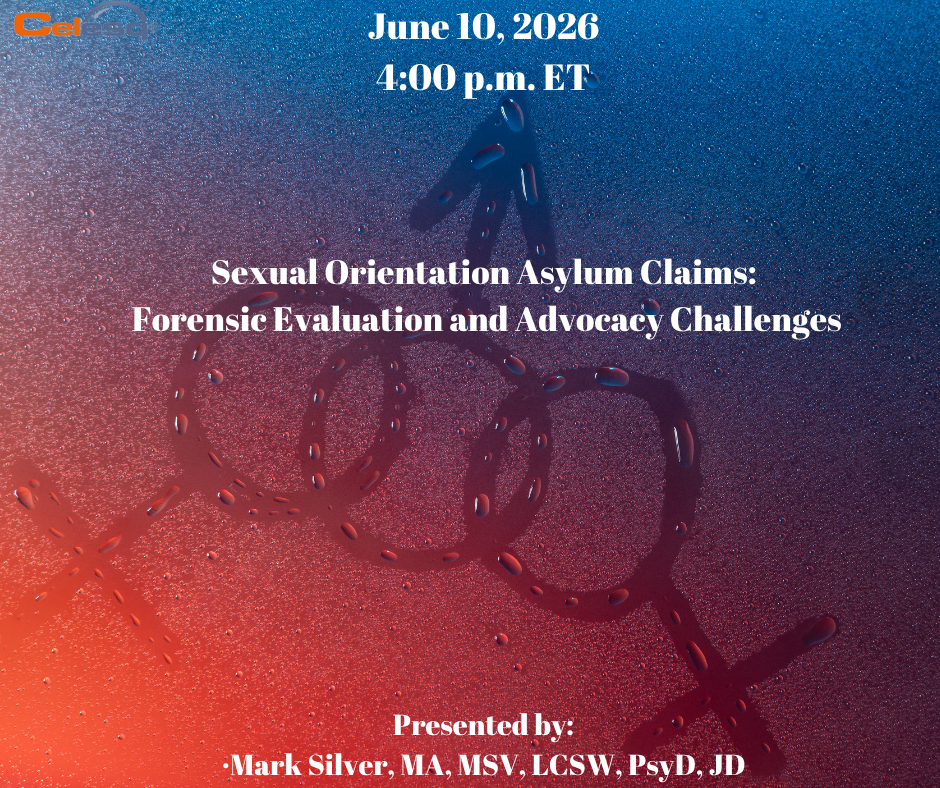
This program focuses on asylum claims based on sexual orientation, addressing the unique clinical, c...

U.S. businesses providing online services that are used by minors face a rapidly evolving patchwork ...

During this course, you will learn about best practices and strategies for retaining intellectual pr...
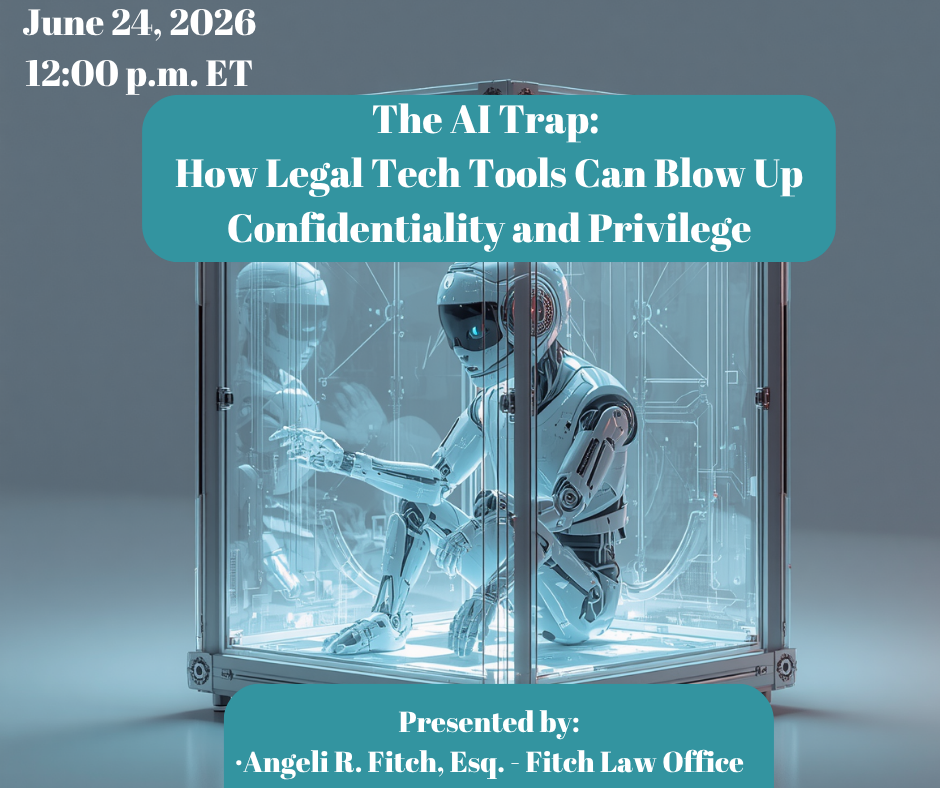
Many law firms now rely on AI?driven research, drafting, and workflow tools without fully understand...
This follow?on CLE builds on National Security & Data Privacy: Complying with the Bulk Data...

State attorneys general continue to play a central and increasingly aggressive role in consumer prot...
This course analyzes federal contractor cyber security obligations under the Federal Acquisition Reg...
Trademark doctrine was built for a marketplace that no longer exists, leaving practitioners to litig...
Workplace investigations are now more complex, high-stakes, and scrutinized than ever before. Employ...