
Exciting new series on “Voice, Body and Movement for Lawyers – How to connect with the jury and find Justice Through Dramatic Technique!”
Click here to find out more
Exciting new series on “Voice, Body and Movement for Lawyers – How to connect with the jury and find Justice Through Dramatic Technique!”
Click here to find out more
Imposter syndrome, also called perceived fraudulence, involves feelings of self-doubt and personal incompetence that persist despite your education, experience, and accomplishments. While early studies focused on highly successful women, it is now clear that it can affect anyone in the legal profession – from law students to Big Law executives.
Living in constant fear of discovery, you strive for perfection in everything you do. You might feel guilty or worthless when you can’t achieve it, not to mention burned out and overwhelmed by your continued efforts. The results can be devastating.
Mr. Quinn will discuss:
• Imposter Syndrome: What Is It?
• Impacts of Imposter Syndrome on Attorneys.
• The Role of Gender and Racial Bias in Creating Imposter Syndrome.
• Practical Guidance for Overcoming Imposter Syndrome.
• How to Support Attorneys Battling Imposter Syndrome.
• Potential Ethical Risks of Imposter Syndrome.
• Personal Experience of Struggling with Imposter Syndrome.

This session provides a practical overview of bank fraud, helping participants identify common fraud...

Family law attorneys are sued for malpractice more often than attorneys in every other practice area...
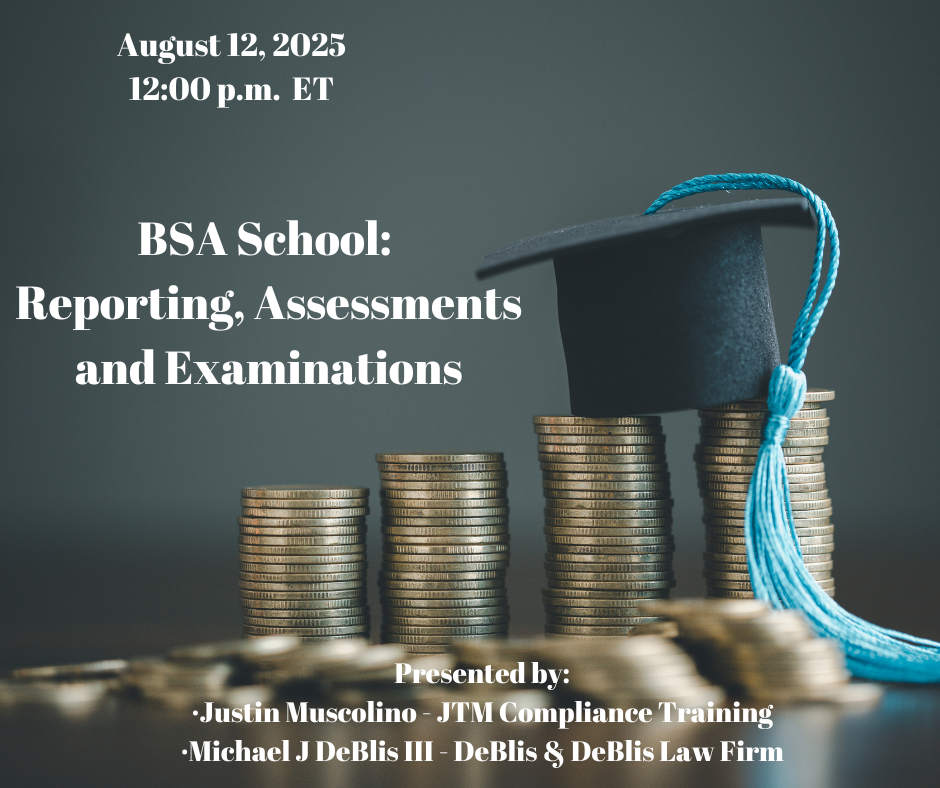
This session is designed to help compliance professionals and fintech partners better understand the...

The Investment Company Act of 1940 potentially imposes significant regulatory burdens on investment ...

No good deed goes unpunished – ethical considerations when representing family and friends. It...

The CLE will discuss the role of New York Labor Law Section 201-d in regulating employee conduct ins...

This CLE explores the interaction of statutory, ethical, and practical cybersecurity obligations pla...

The Electronic Signatures in Global and National Commerce (E-Sign) Act established a legal framework...

Burnout is a growing problem in the legal profession, often leading to poor client service, ethical ...

This course provides attorneys with a foundational understanding of Long-Term Care (LTC) Medicaid, i...