
Exciting new series on “Voice, Body and Movement for Lawyers – How to connect with the jury and find Justice Through Dramatic Technique!”
Click here to find out more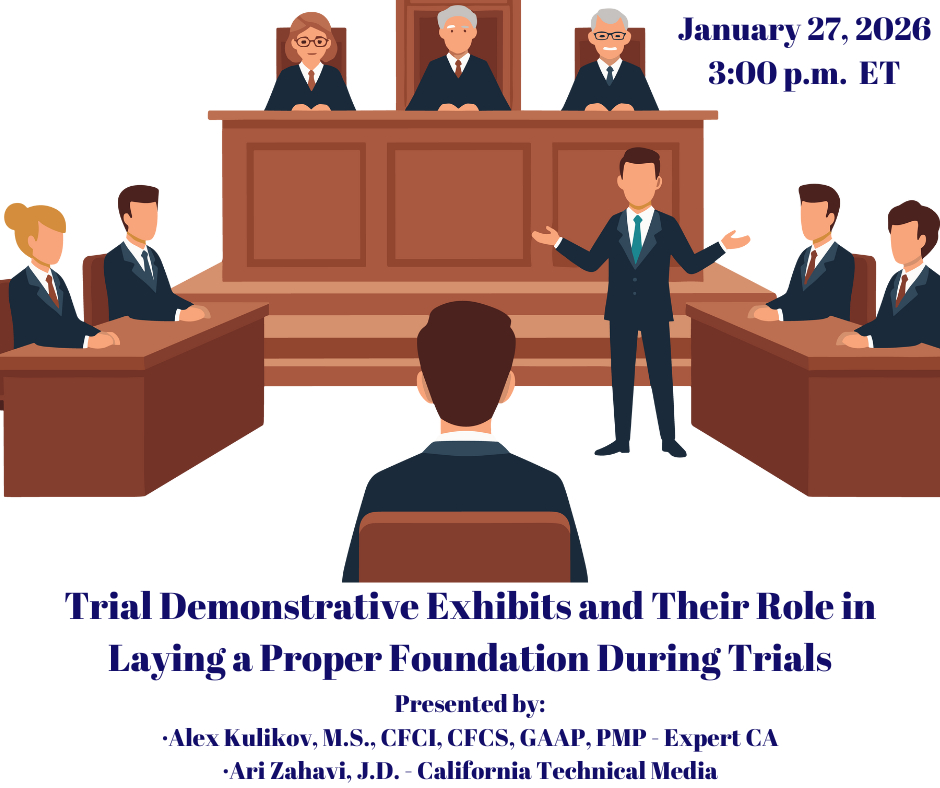
A litigator’s role is to shape how key decision-makers - judges, jurors, and opposing counsel -think about the facts. Every argument, every piece of evidence, every expert opinion is a tool to build a specific understanding. Because people act based on what they believe to be true, creating that belief is the litigator’s most important job. Legal precedent, evidence, and expert testimony lay the foundation. But to truly persuade, litigators rely on visual strategists — professionals who know how to turn complex concepts into clear, compelling narratives.
Part II builds on the foundation established in Part I by examining how classical rhetorical styles ...

This continuing legal education (CLE) webinar provides comprehensive update on work? place safety ma...
Attorneys hopefully recognize that, like many other professionals, their lives are filled to the bri...

The CLE will cover the Ins and Outs of Internal Corporate Investigations, including: Back...
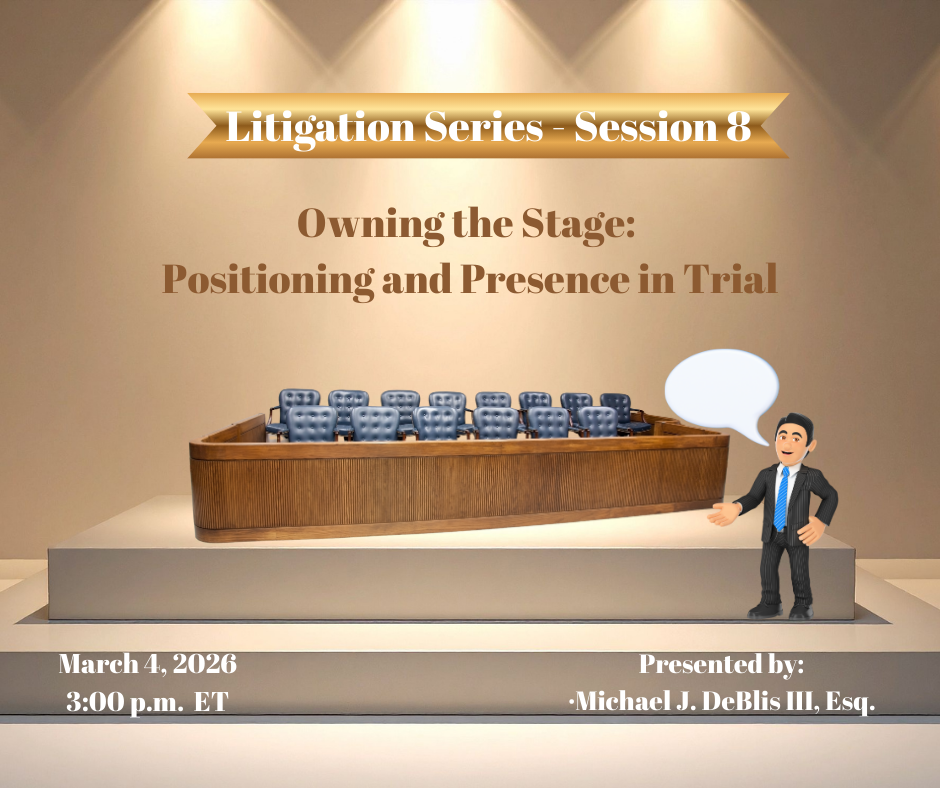
This presentation explores courtroom staging—how movement, spatial awareness, posture, and pre...
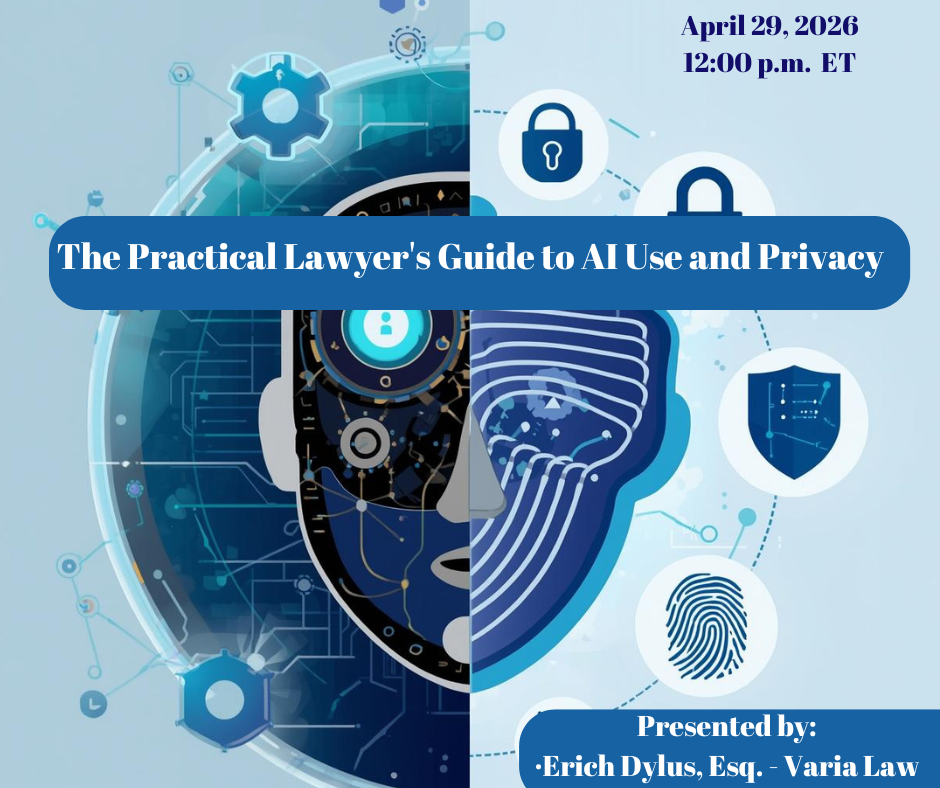
Review the basic software concepts and effective uses of generative AI, prompting strategies, and me...
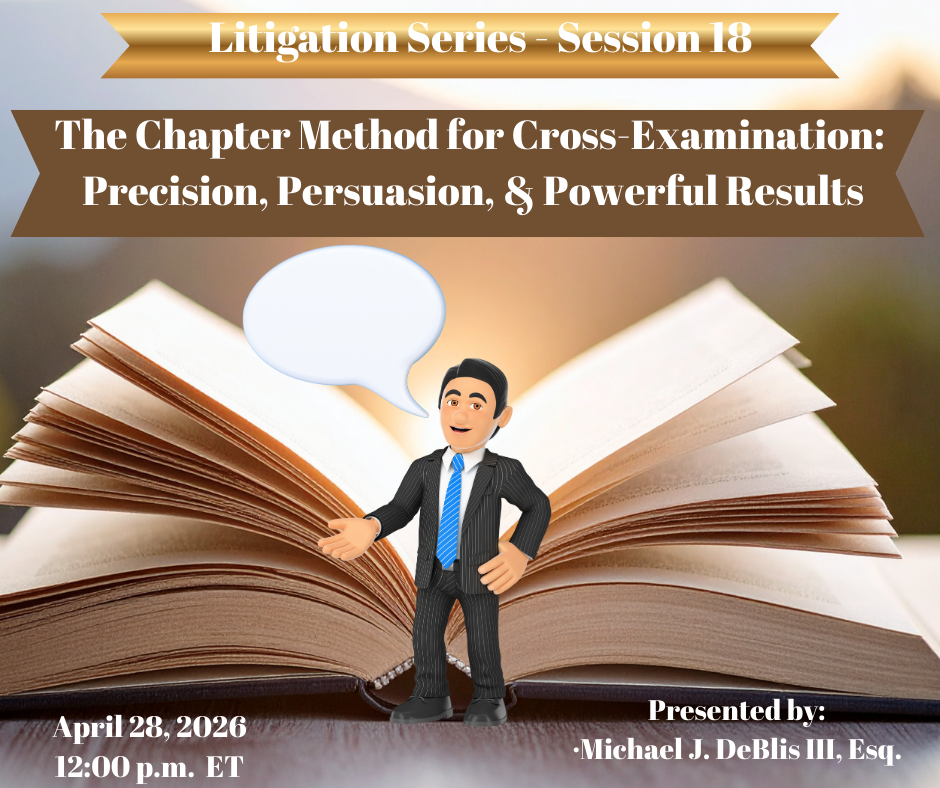
The “Chaptering Your Cross” program explains how dividing a cross?examination into clear...

Recent studies have shown that there has been a dramatic increase in impairment due to alcoholism, a...

Boundaries and Burnout: The Hidden Crisis in Law is a 60-minute California MCLE Competence Credit pr...
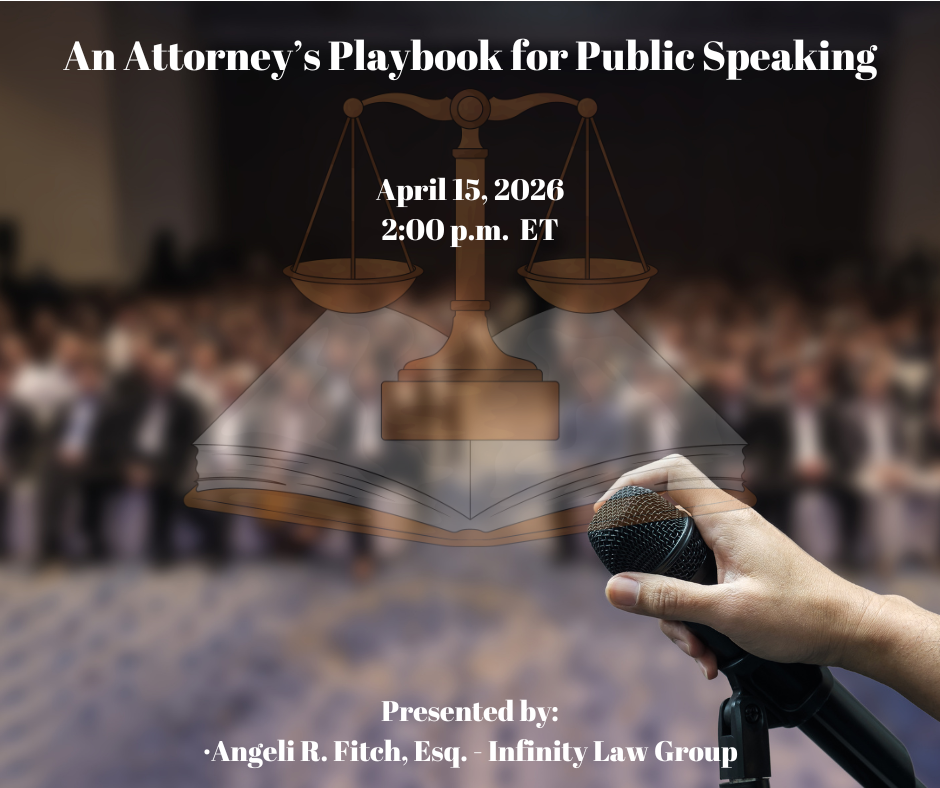
Attorneys are judged every time they speak—in client meetings, depositions, hearings, negotiat...