
Exciting new series on “Voice, Body and Movement for Lawyers – How to connect with the jury and find Justice Through Dramatic Technique!”
Click here to find out more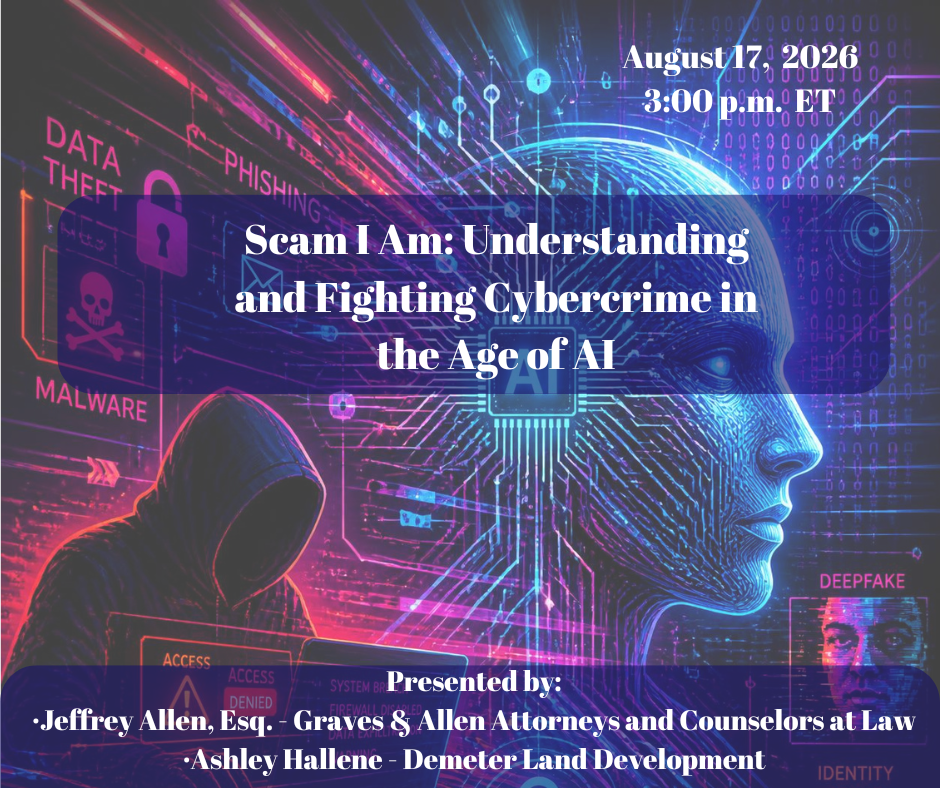
Cybercriminals increasingly target law firms, attorneys, legal staff, and their clients through sophisticated scams, fraud schemes, and data breaches designed to exploit trust, confidentiality, and professional obligations. From AI-generated phishing emails and business email compromise schemes to client impersonation, wire fraud, ransomware attacks, and social engineering tactics, legal professionals face unique risks that can jeopardize client information, firm operations, and ethical compliance.
This program examines the evolving cyber threat landscape affecting the legal profession and provides practical guidance for identifying, preventing, and responding to these threats. Participants will learn how cybercriminals leverage emerging technologies and psychological manipulation to target legal organizations, as well as attorneys' ethical obligations relating to technological competence, confidentiality, supervision, and the protection of client information.
The speakers will discuss these issues through the lens of the ABA Model Rules and Formal Opinion letters, including: Model Rules 1.1 (including Comment 8), 1.4, 1.5, 1.6, 3.3, 5.1, 5.3, 5.5, 8.4 and ABA Formal Opinion letters 477R, 483, 498, and 512.
Learning Objectives:
Upon completion, attendees will be able to:
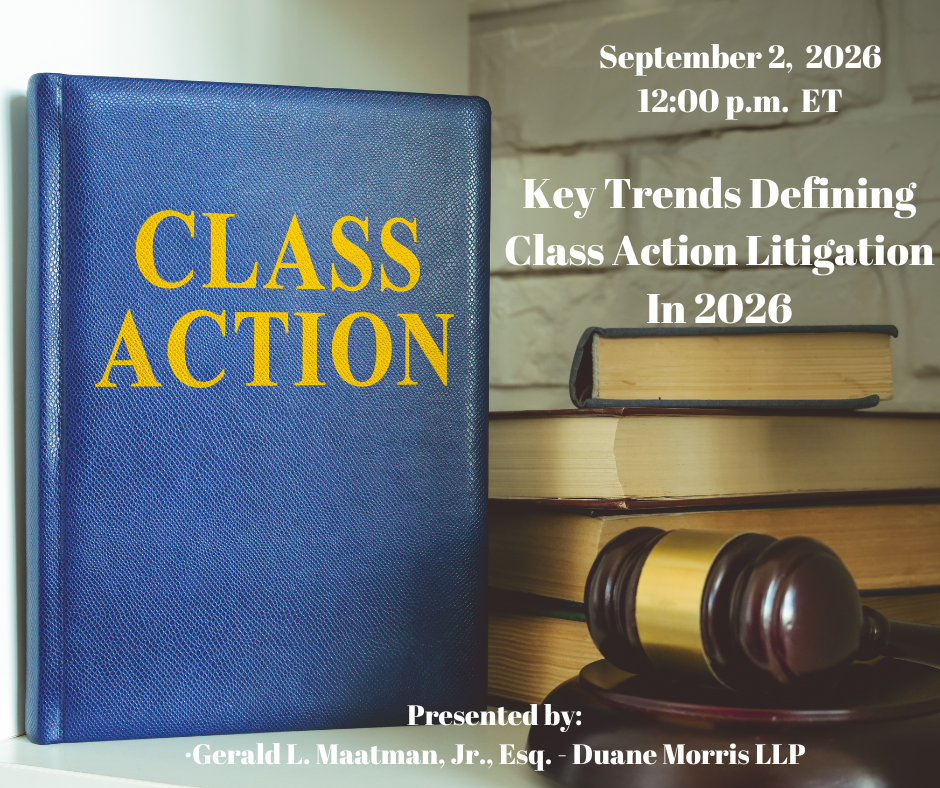
Class action litigation continues to evolve rapidly in response to an innovative plaintiffs’ b...
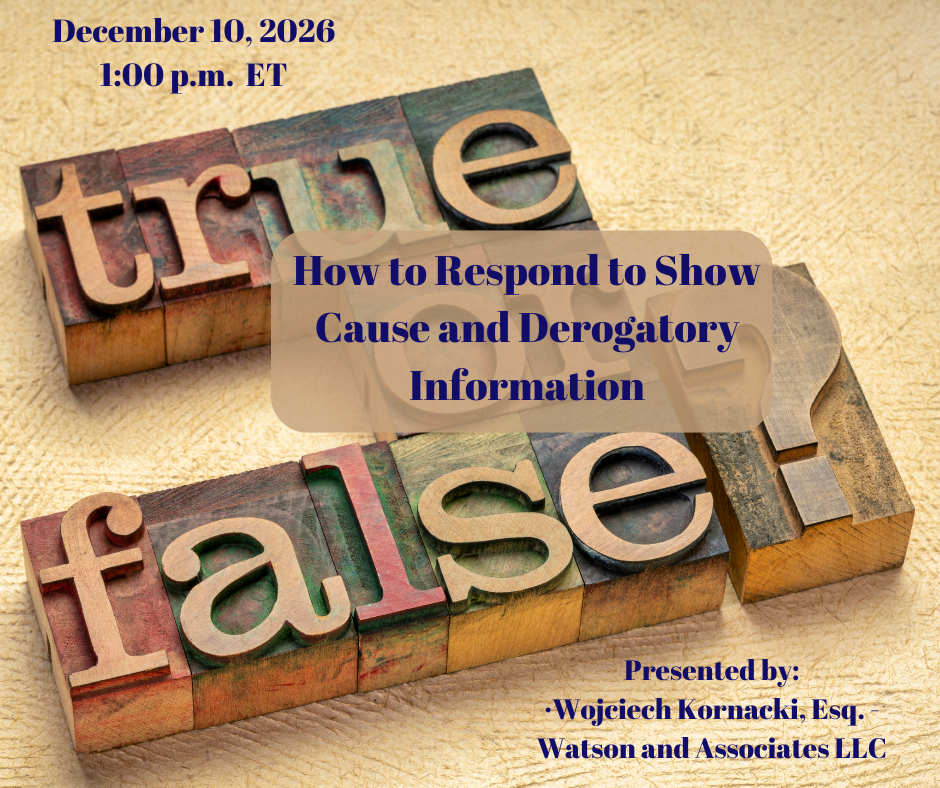
Adverse and derogatory information often has devastating effects on a contractor's ability to win co...
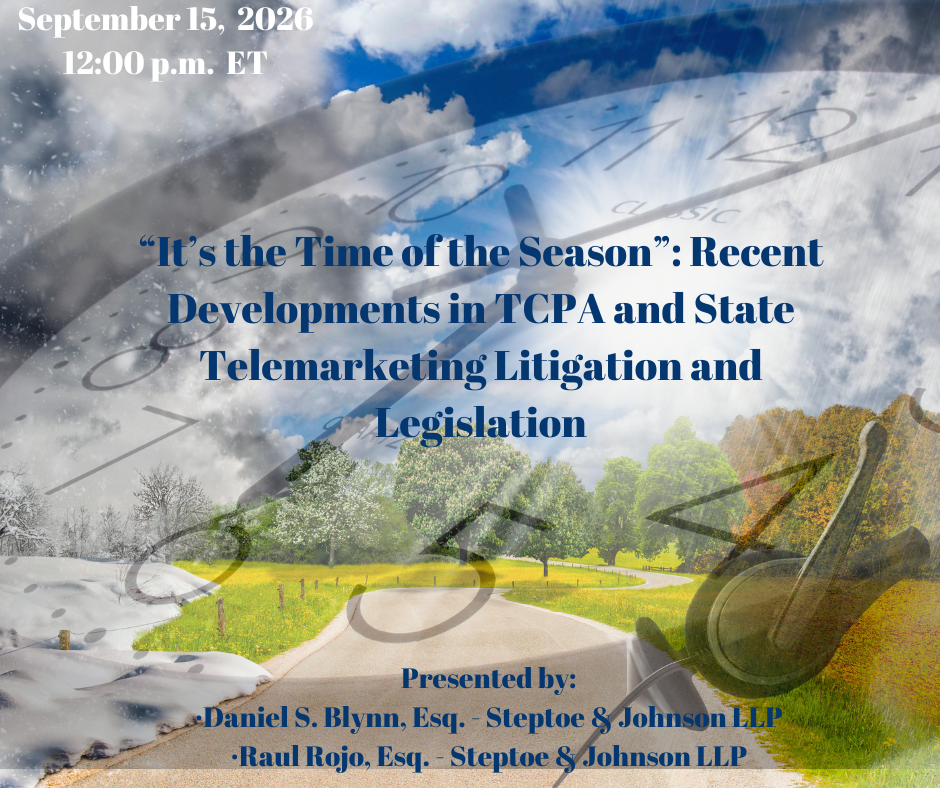
In 1968, English rock band The Zombies released their psychedelic counterculture anthem, “Time...
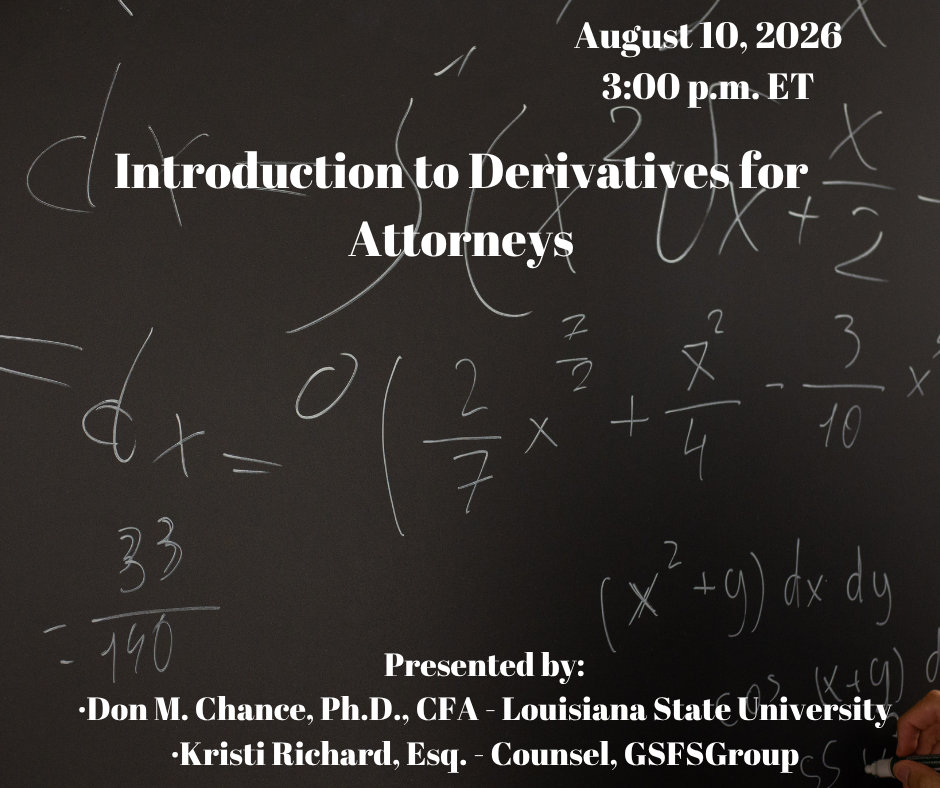
This program provides attorneys with a foundational understanding of derivatives and their role in m...
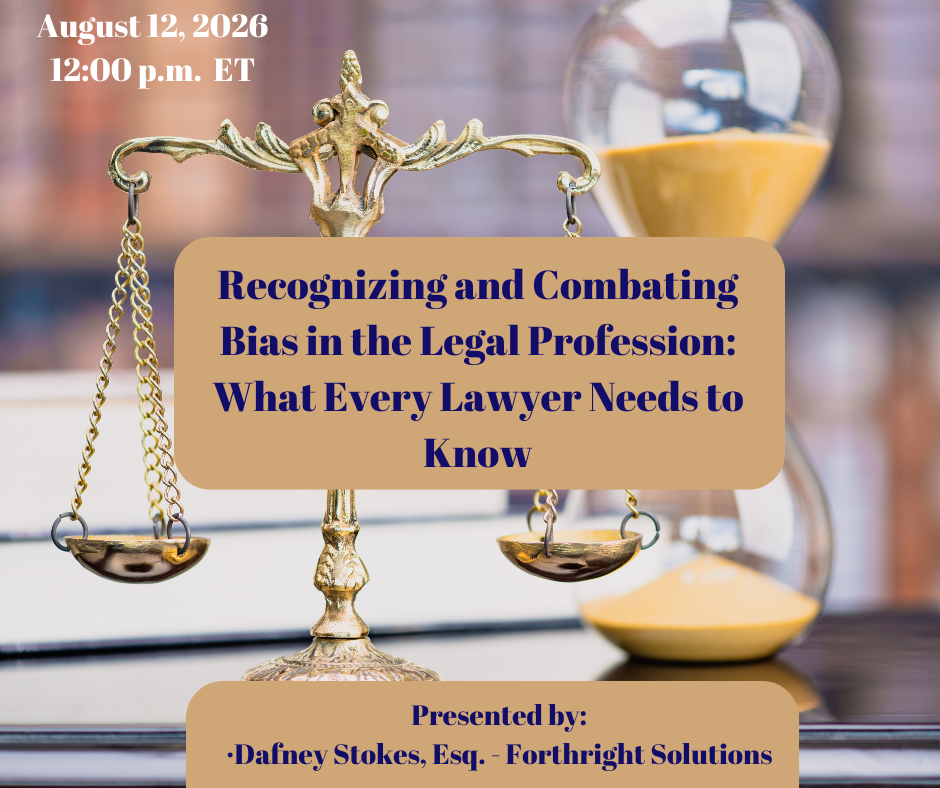
This one-hour CLE program examines the impact of implicit and systemic bias within the legal profess...
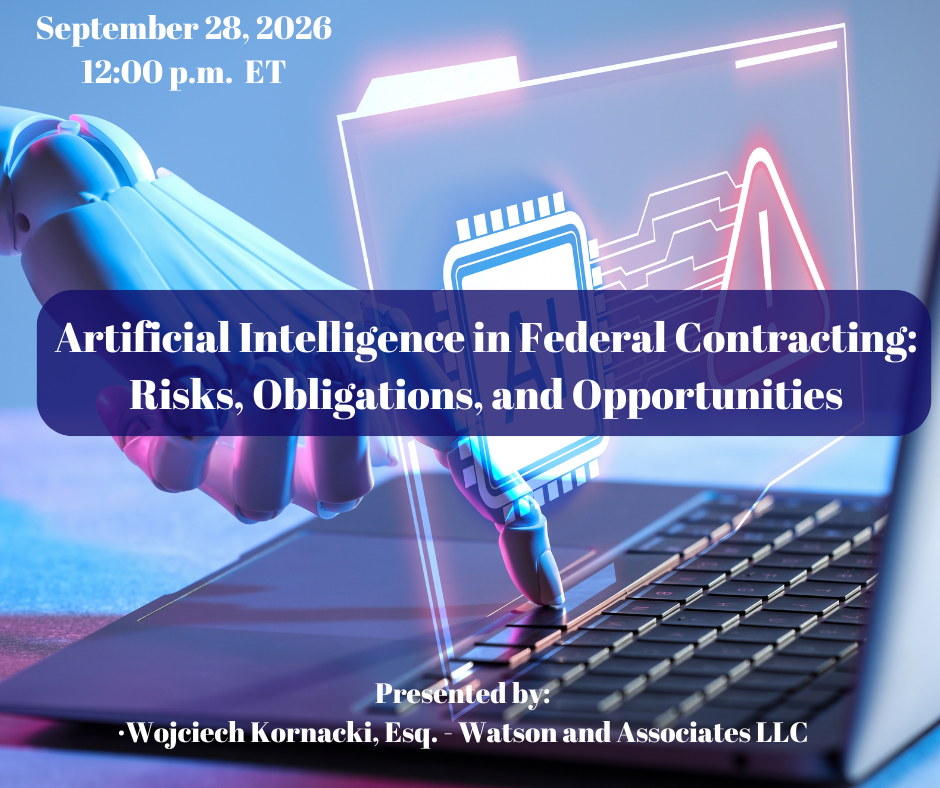
This course examines the latest legal and compliance developments in the artificial intelligence (AI...
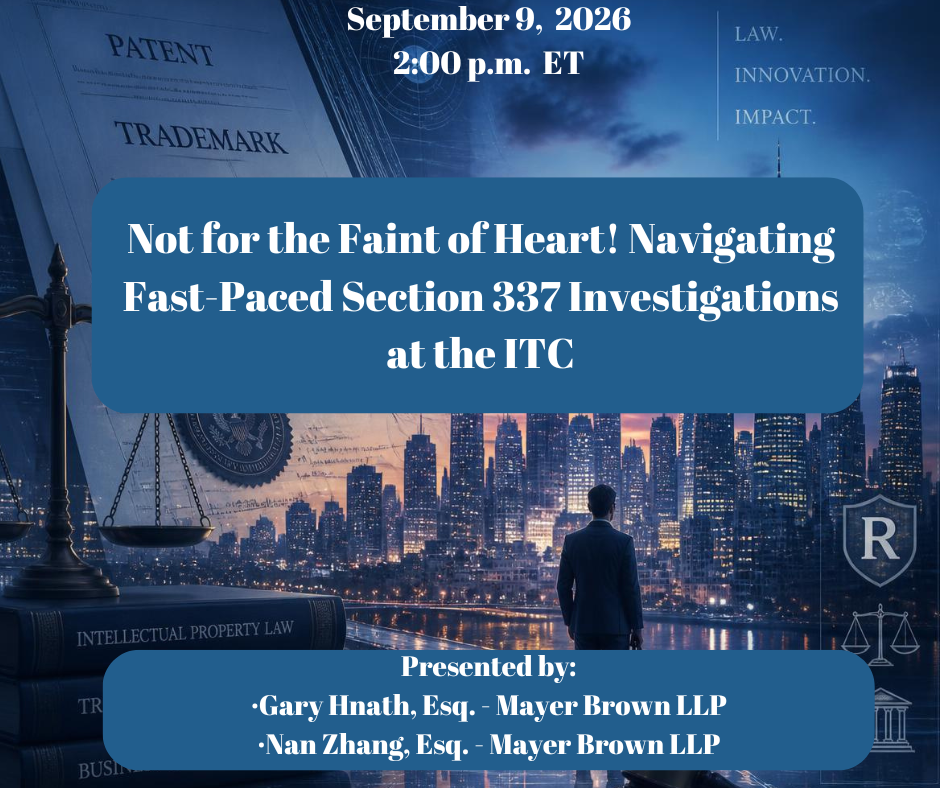
Section 337 provides powerful, efficient and rapid remedies for a wide range of unfair methods of co...
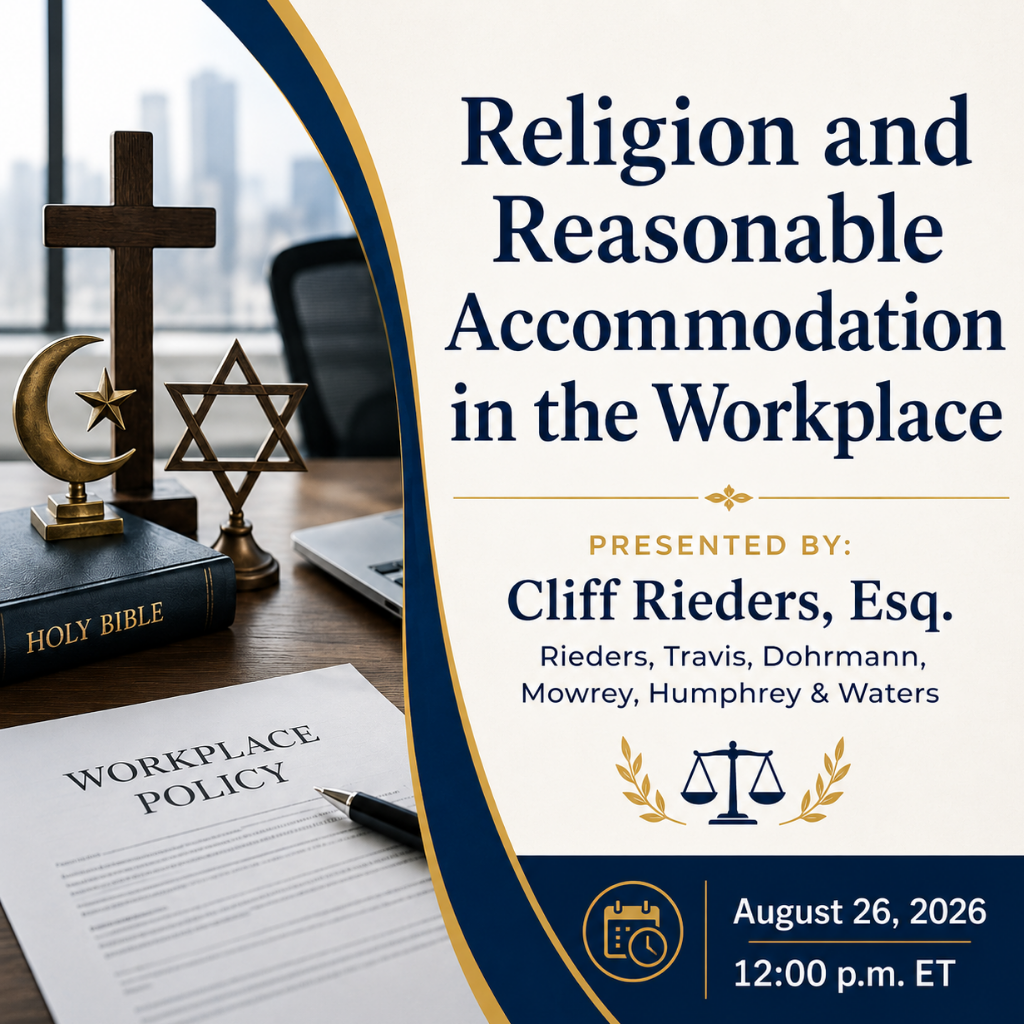
Discussion of religion and reasonable accommodation in the workplace. Thanks to the United States Su...
Modern mediation increasingly brings together parties, counsel, and neutrals across a broad range of...
This 60-minute session gives you a practical operating system for the mental side of legal work: how...