
Exciting new series on “Voice, Body and Movement for Lawyers – How to connect with the jury and find Justice Through Dramatic Technique!”
Click here to find out more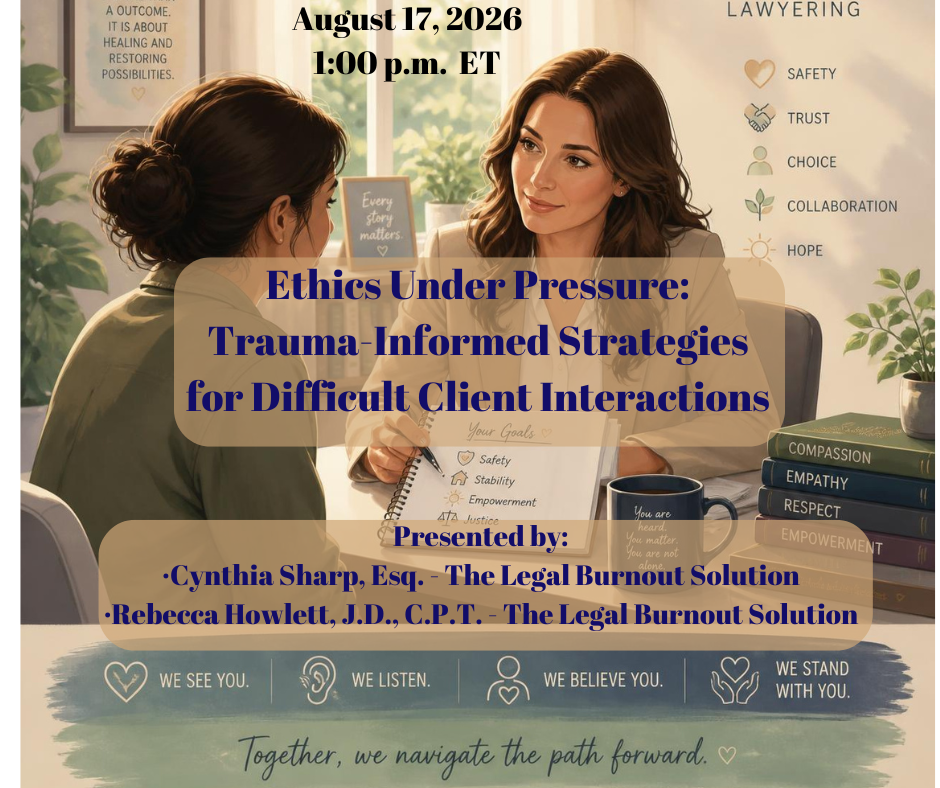
Lawyers regularly communicate with clients who are angry, overwhelmed, frightened, unrealistic, or disappointed by the legal process. In those moments, clear communication is not only good client service—it is an ethical obligation.
This program uses realistic client scenarios to explore how trauma-informed communication strategies can help lawyers comply with Model Rule of Professional Conduct 1.4: Communication. The program also touches on the negative impact of client distress on lawyers, including secondary trauma and compassion fatigue, and offers simple self-regulation strategies to support ethical, professional, and effective communication.
Participants will learn practical tools for:
Learning Objectives:
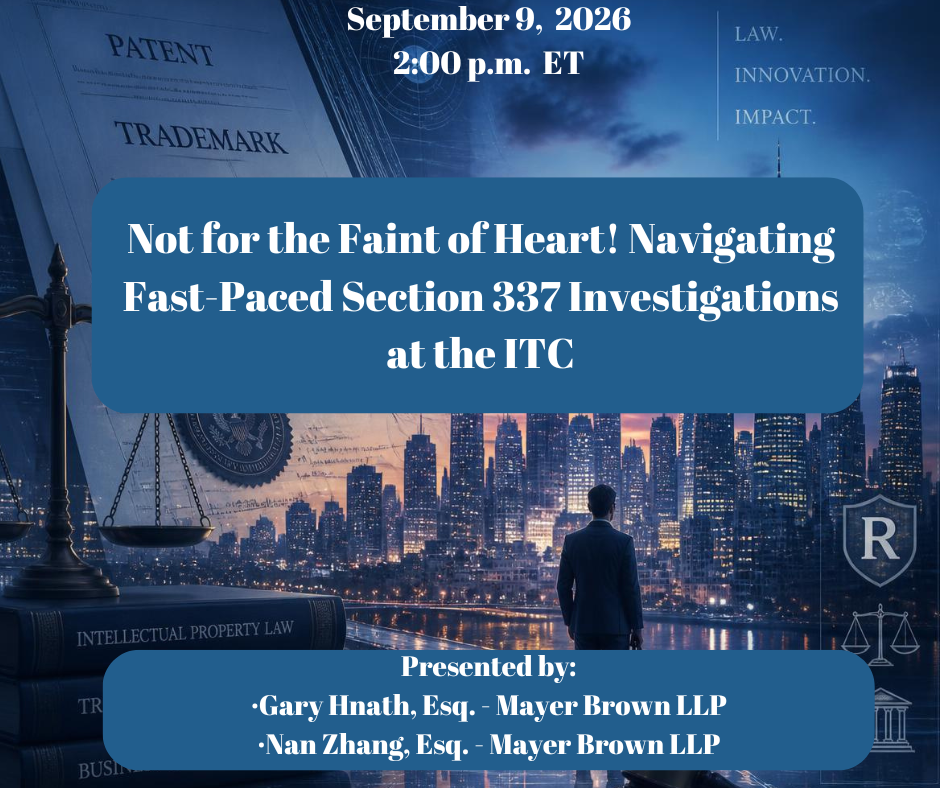
Section 337 provides powerful, efficient and rapid remedies for a wide range of unfair methods of co...
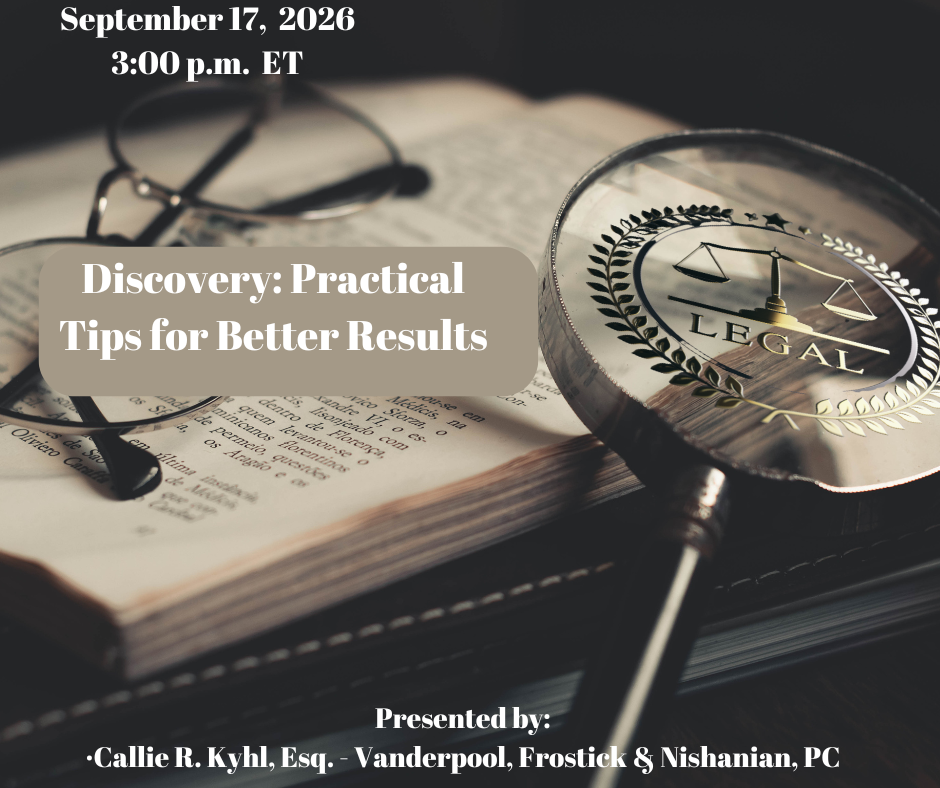
This program provides a practical roadmap to mastering every stage of the discovery process in civil...
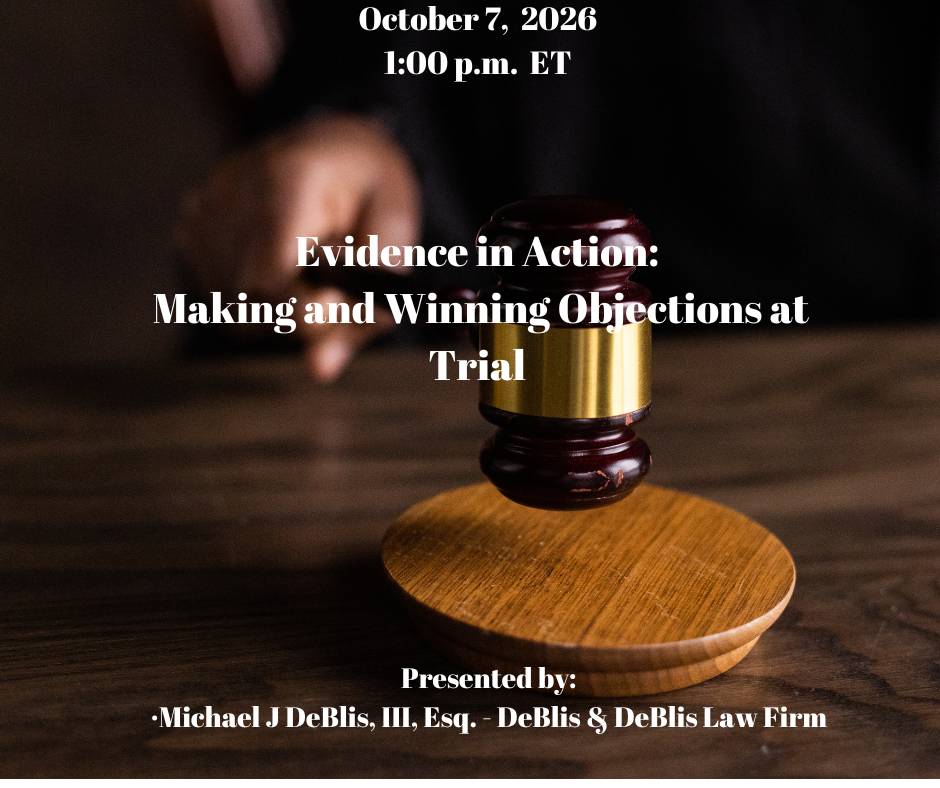
Objections are among the most powerful — and most misunderstood — tools in a trial lawye...
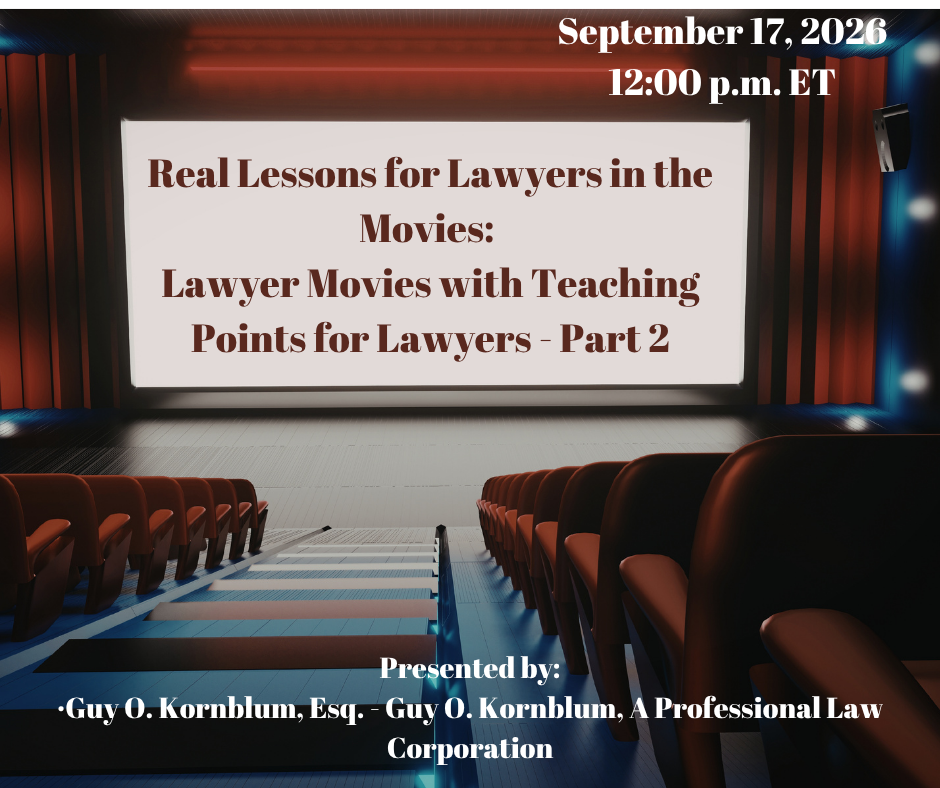
In Part 2, Mr. Kornblum will again use segments from the movies to teach pre-trial and trial tactics...

This course examines the latest legal and compliance developments in the artificial intelligence (AI...
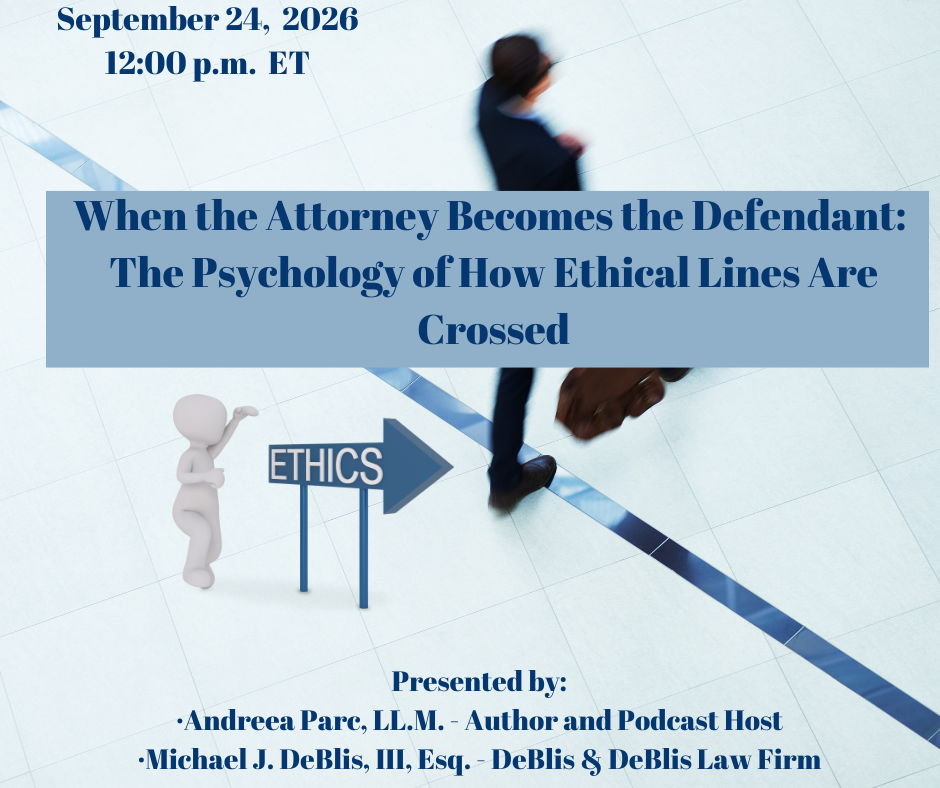
This program addresses a gap no standard ethics CLE reaches: the psychology of what happens inside t...
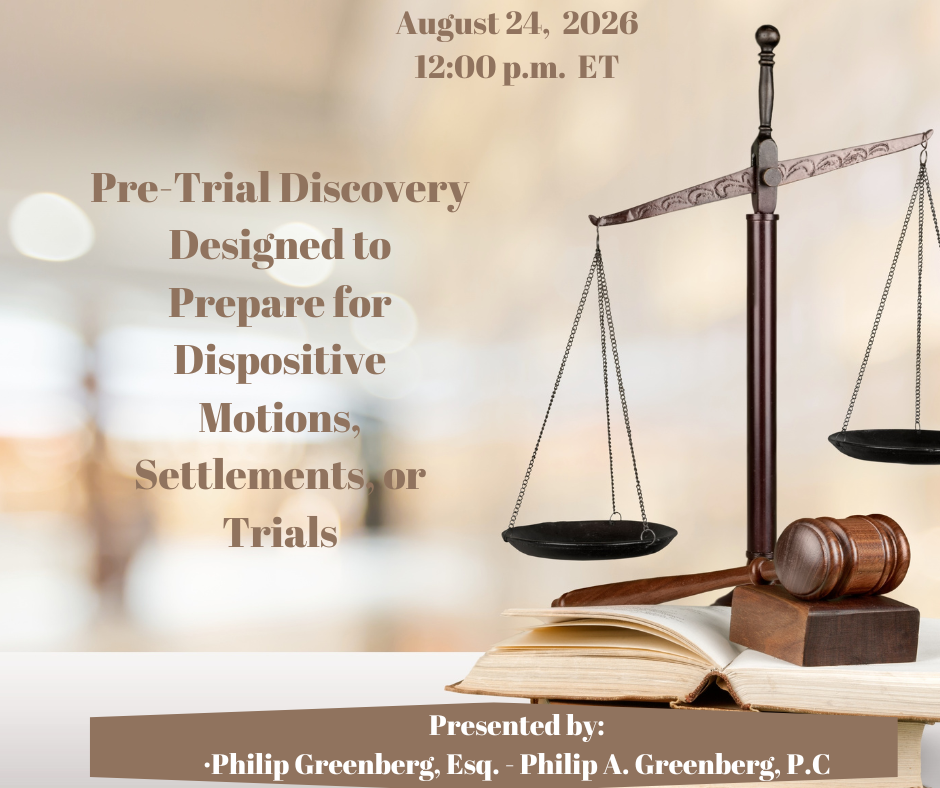
For at least the last half-century, the success or failure of most litigations is determined by how ...
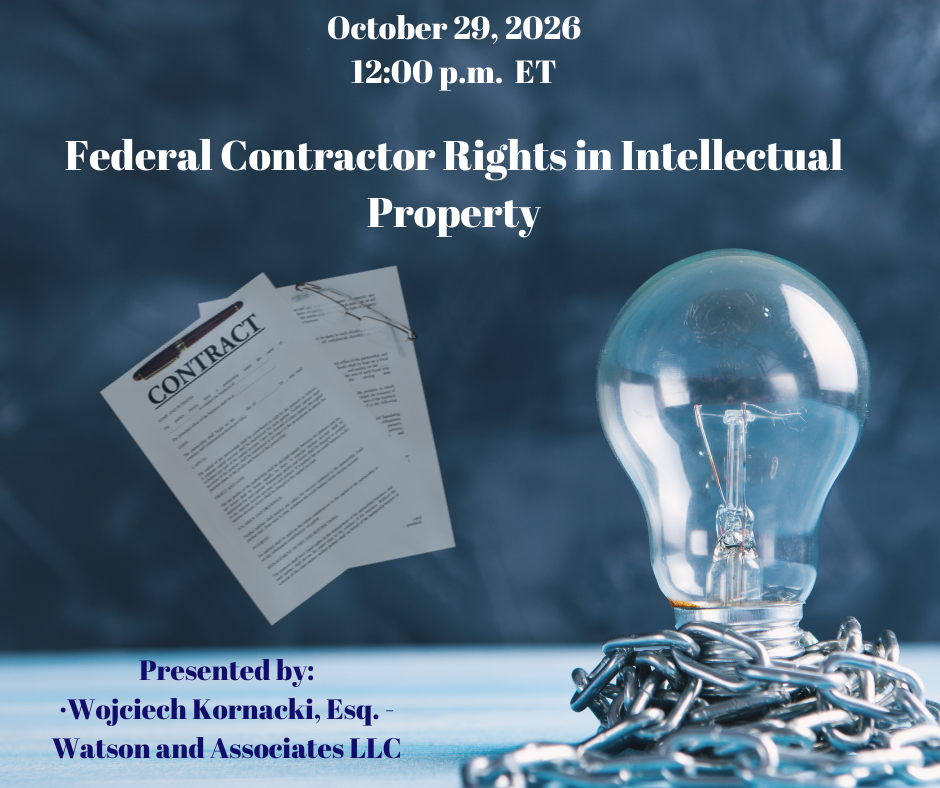
During this course, you will learn about best practices and strategies for retaining intellectual pr...
As the largest purchaser of goods and services in the world, the United States Government requires f...
Most legal professionals are operating in survival mode whether they realize it or not. Not crisis-l...