
Exciting new series on “Voice, Body and Movement for Lawyers – How to connect with the jury and find Justice Through Dramatic Technique!”
Click here to find out more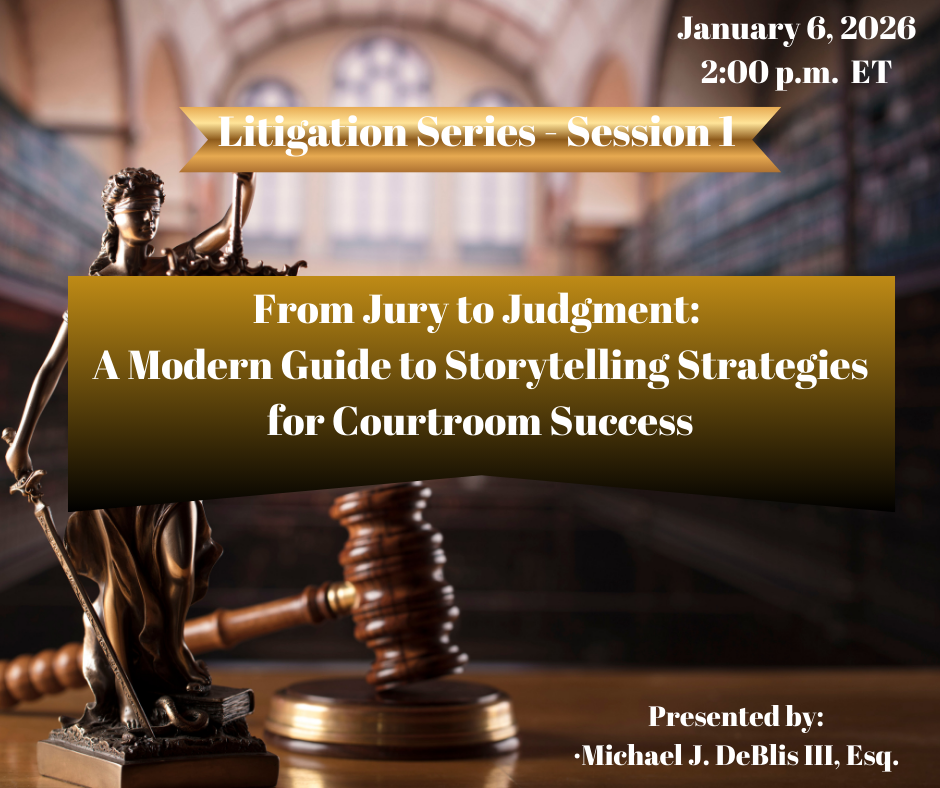
The CLE program expands on the artistic techniques that make stories resonate, including tempo, sensory detail, dialogue, and the “rule of three.” It encourages attorneys to craft openings and examinations that feel conversational yet precise, allowing jurors to follow the emotional and logical flow with ease.
By focusing on vivid imagery, narrative pacing, and audience?centered communication, the presentation equips lawyers to tell stories that feel immersive, human, and unforgettable.
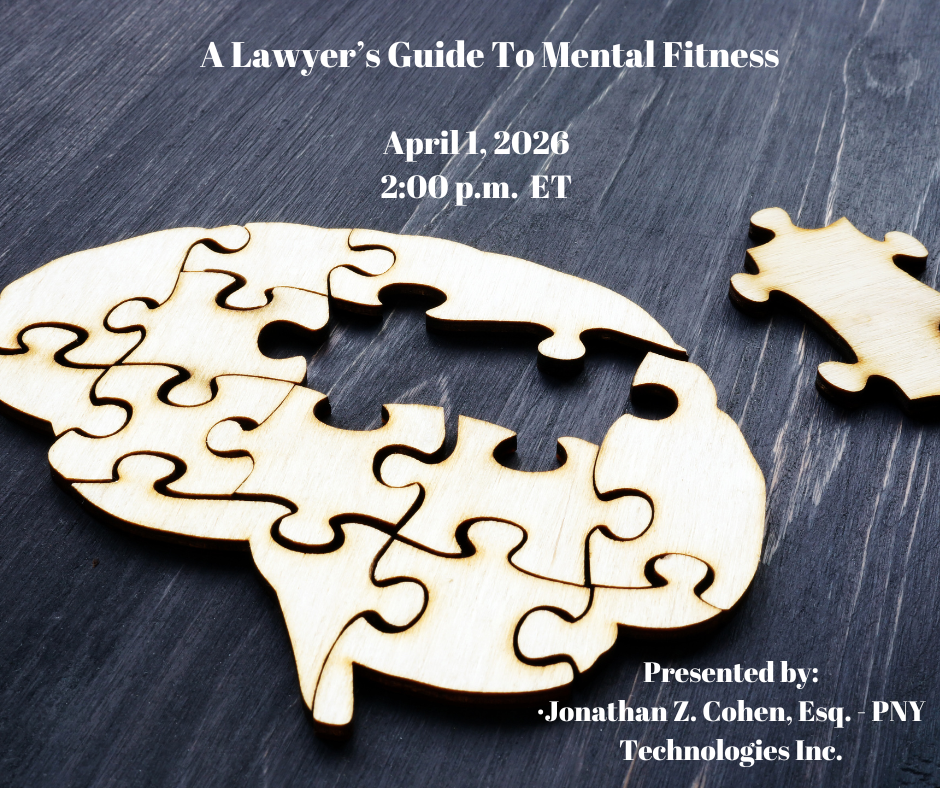
‘A Lawyer’s Guide To Mental Fitness’ is a seminar designed to equip professionals ...
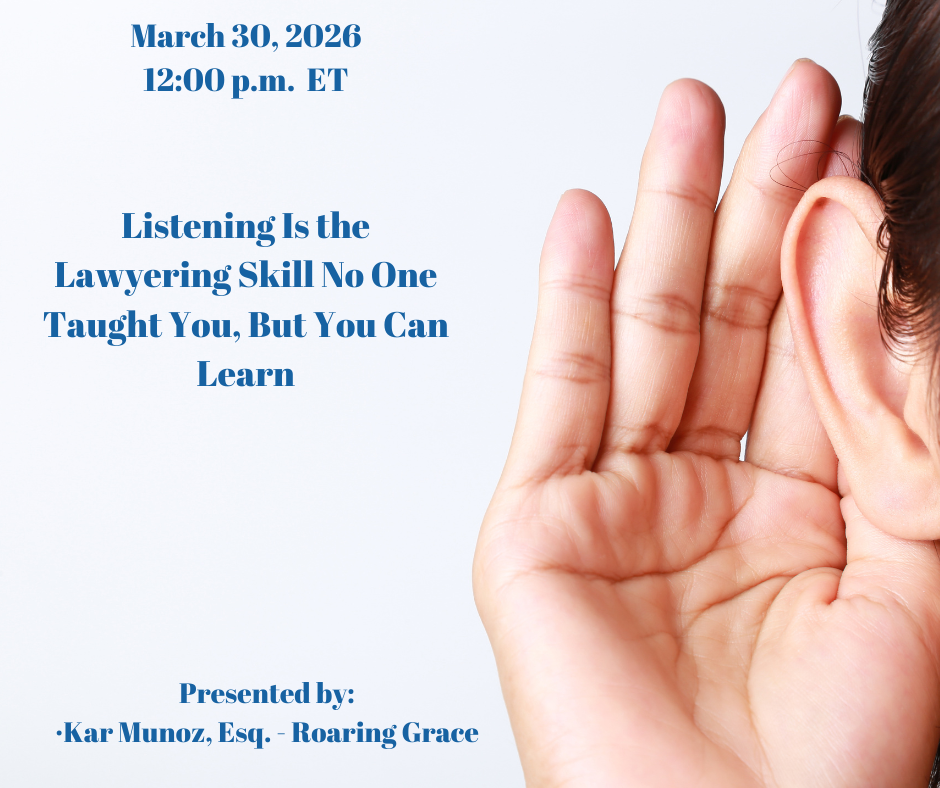
This program explores listening as a foundational yet under-taught lawyering skill that directly imp...
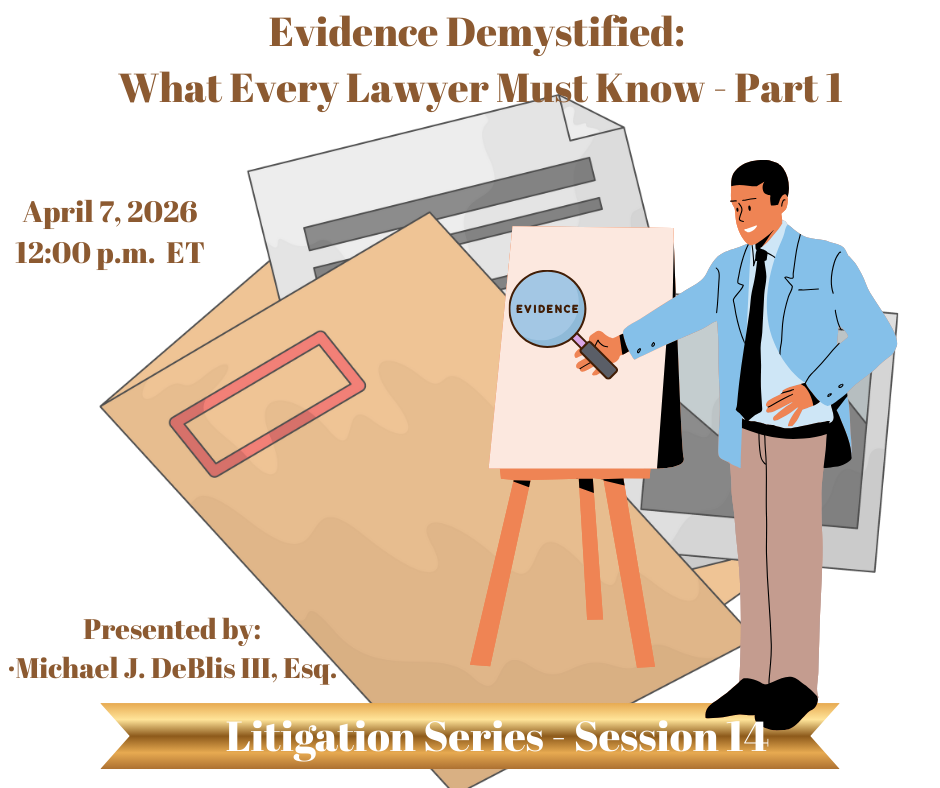
Evidence Demystified Part 1 introduces core evidentiary principles, including relevance, admissibili...
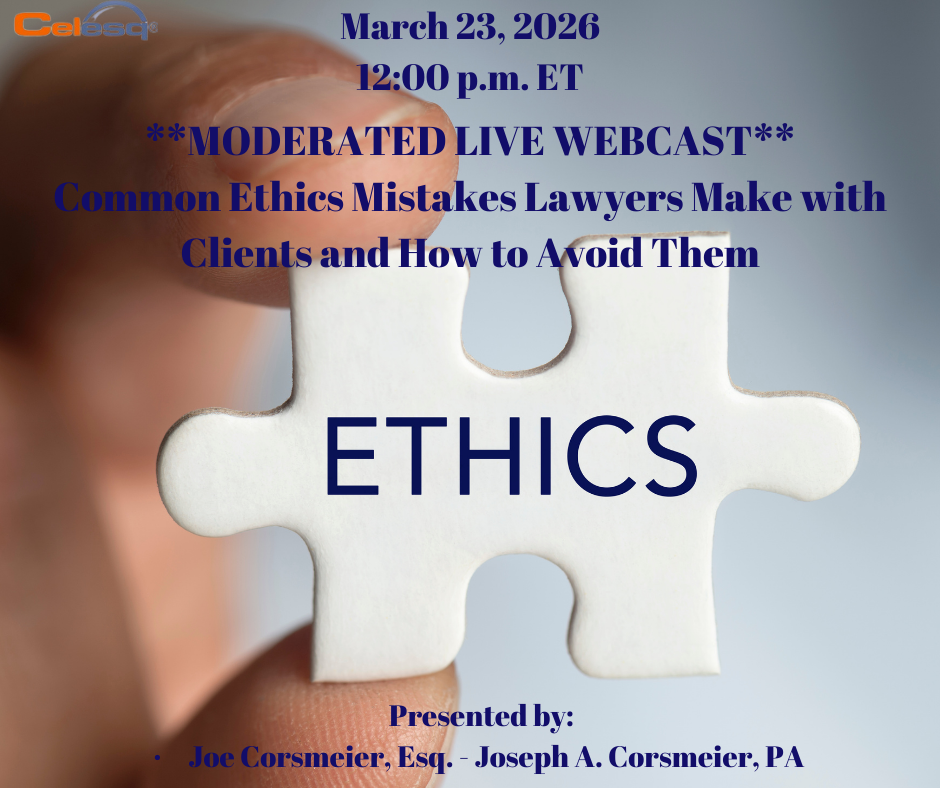
Many lawyers may not fully understand the Bar rules and ethical considerations regarding client repr...
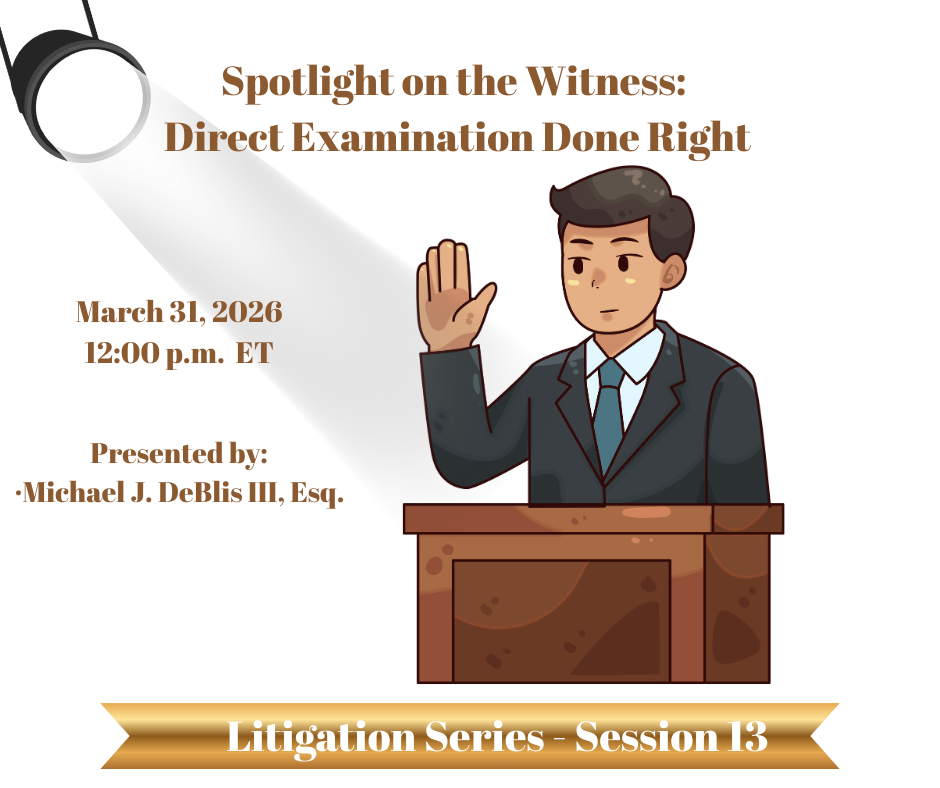
The direct examination presentation outlines how attorneys can elicit truthful, credible testimony w...
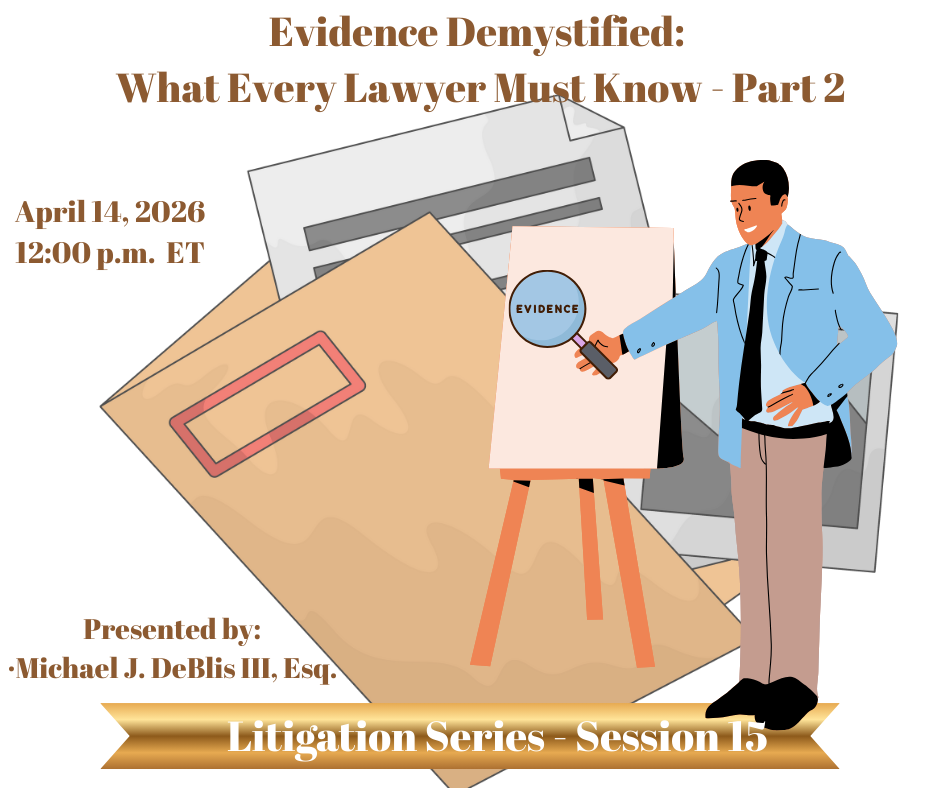
Evidence Demystified Part 2 covers key concepts in the law of evidence, focusing on witnesses, credi...
Disasters, whether natural or manmade, happen. Disasters can impact the practice of law and, among o...
This program will address some of the most common intellectual property (IP) issues that arise in co...
Effective data privacy and artificial intelligence governance programs do not happen by accident. Th...
This CLE session introduces attorneys to budgeting and forecasting concepts used in corporate planni...