
Exciting new series on “Voice, Body and Movement for Lawyers – How to connect with the jury and find Justice Through Dramatic Technique!”
Click here to find out more
Everyday, lawyers have to navigate conflicts of interest to determine when they can take on a new representation or when they must withdraw from an existing one. This CLE will cover the more complicated conflict of interest scenarios—the so-called “hot potato” doctrine and “thrust-upon” conflicts.
The CLE will describe the critical provisions of Rule 1.7 (current client conflicts) and Rule 1.9 (former client conflicts) as well as common law created doctrines that govern disqualification proceedings. It will conclude by providing practical guidance on how to avoid conflicts and how best to navigate them should they nonetheless arise.
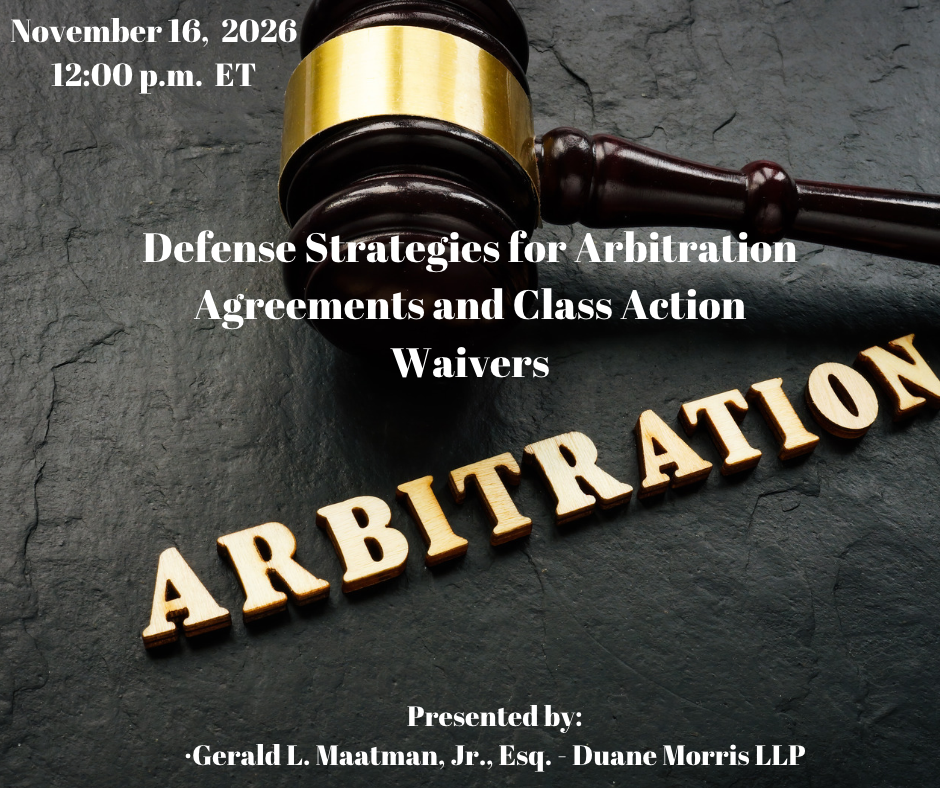
Class action waivers in arbitration agreements remain enforceable, but a decade of U.S. Supreme Cour...
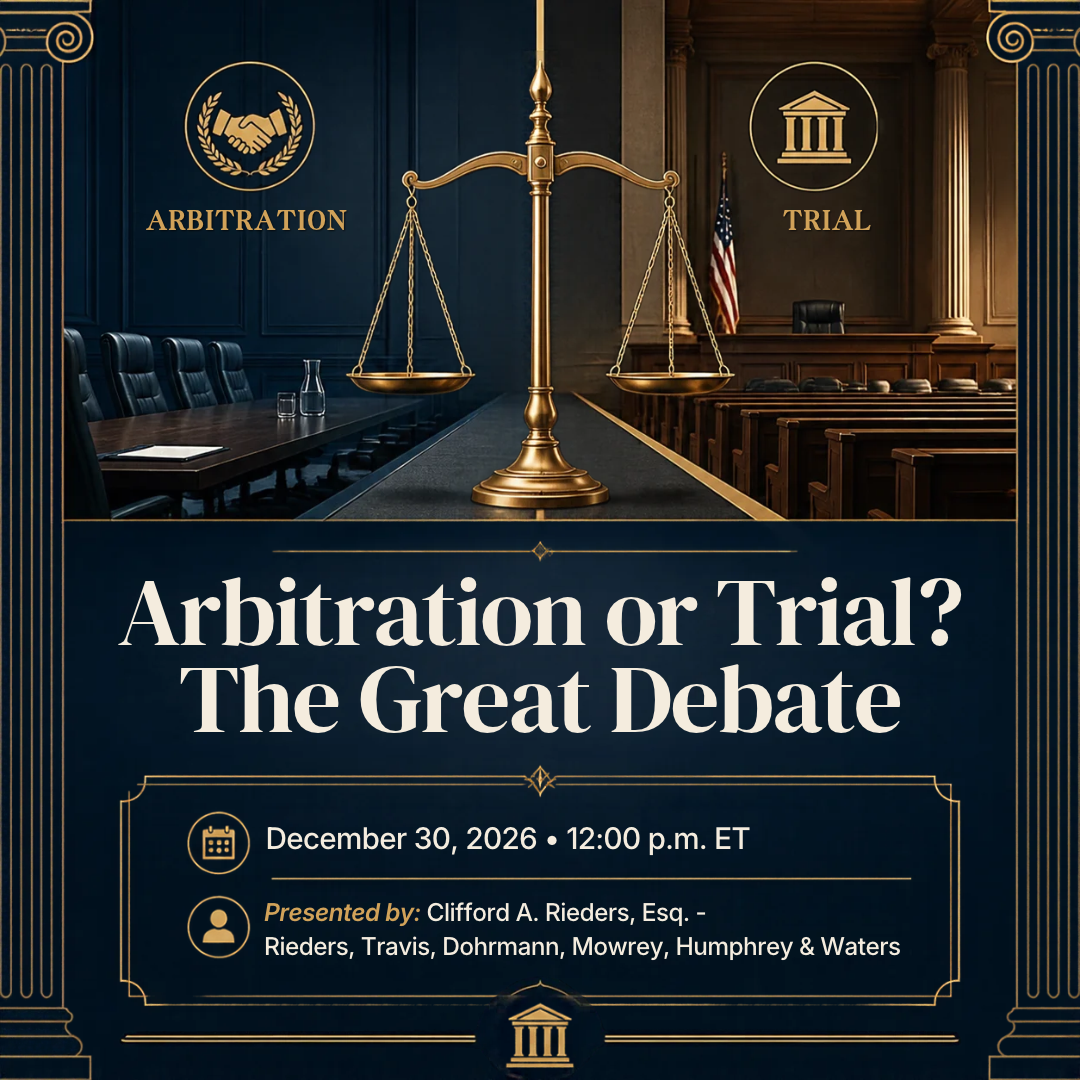
This seminar concerns a scope, jurisdiction, and exceptions to the Federal Arbitration Act. The Act ...
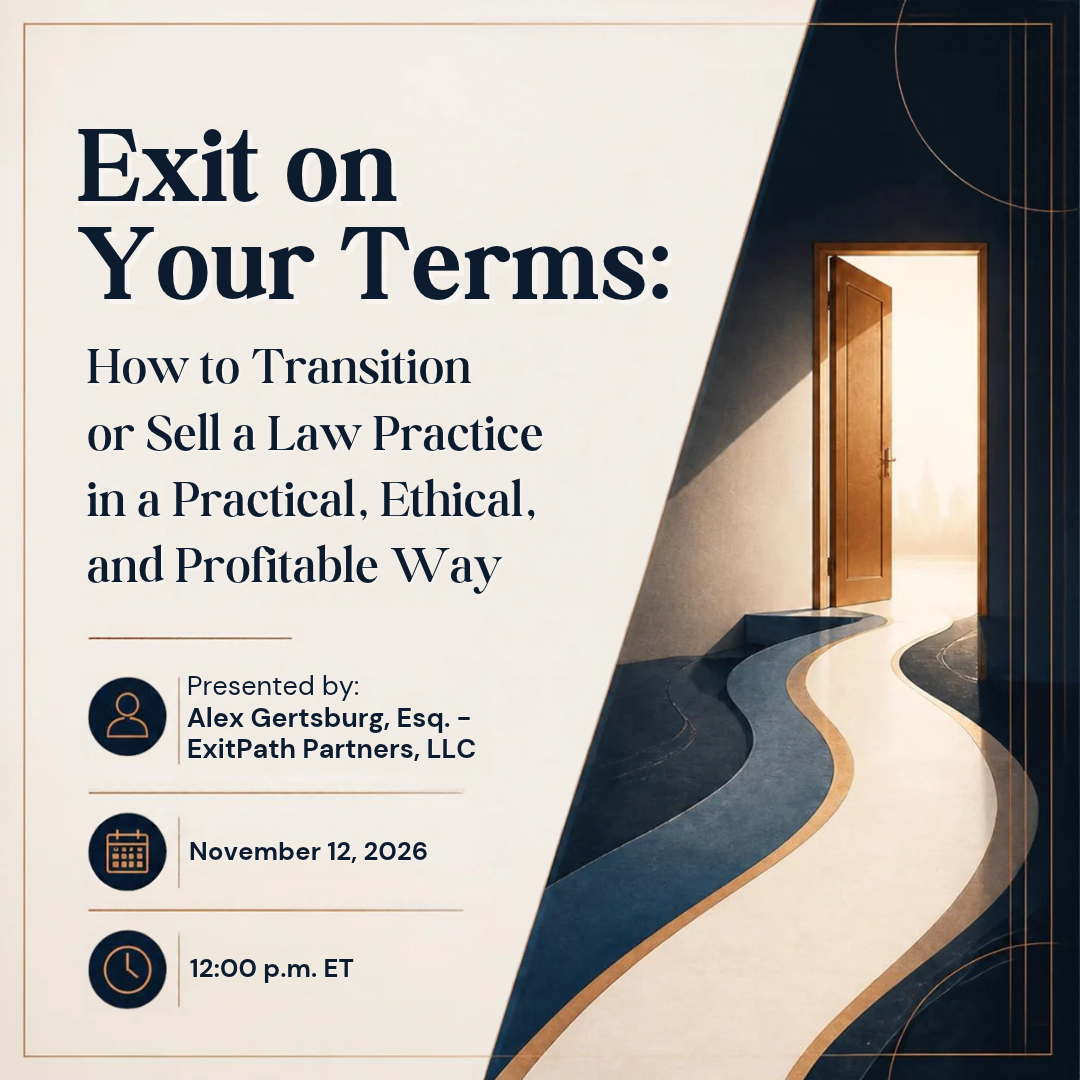
Turn decades of client relationships into lasting equity. This practical CLE shows attorneys how to ...

Class action litigation presents significant legal and business challenges for employers and corpora...

This course is meant for lawyers of all levels and areas of practice, and in it, we will explore way...
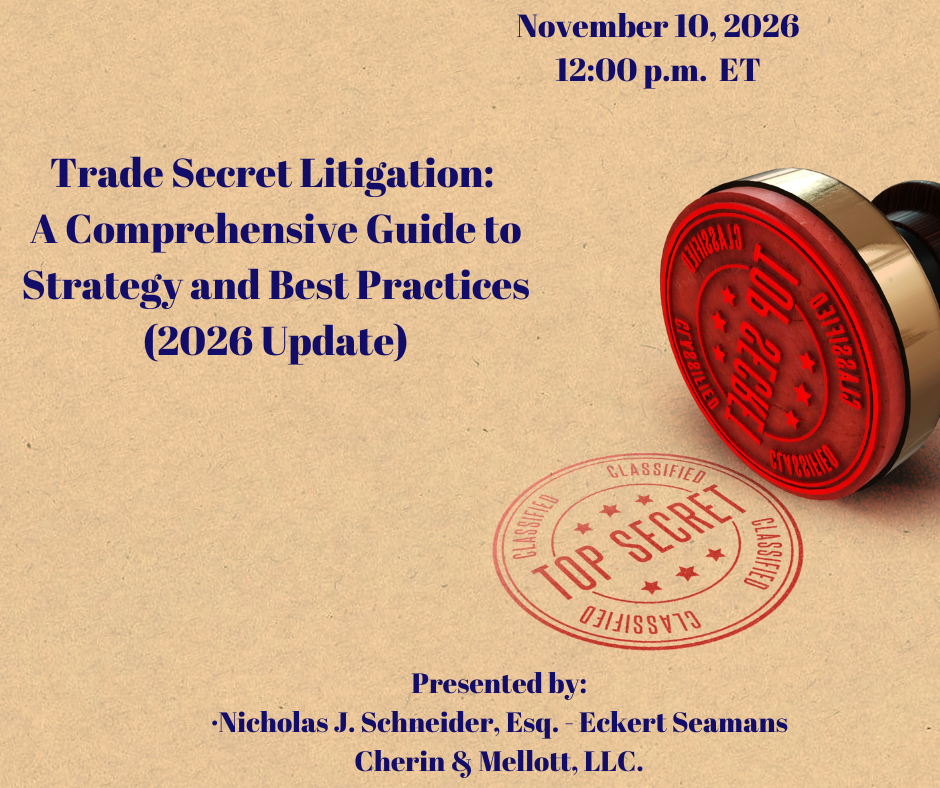
This course on trade secrets litigation provides real-world best practices through all key stages of...

Data privacy remains one of the most rapid areas of growth in the class action space. Plaintiffs con...

This program provides a practical roadmap to mastering every stage of the discovery process in civil...
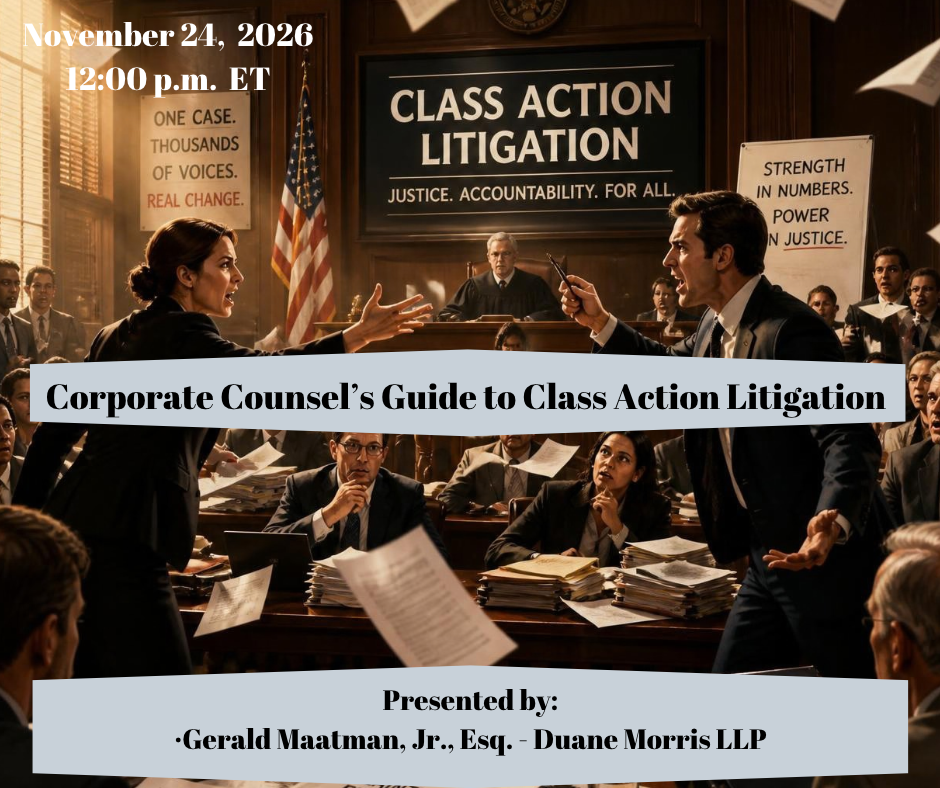
Class action litigation continues to expand in both number of filings and monetary exposure, with se...
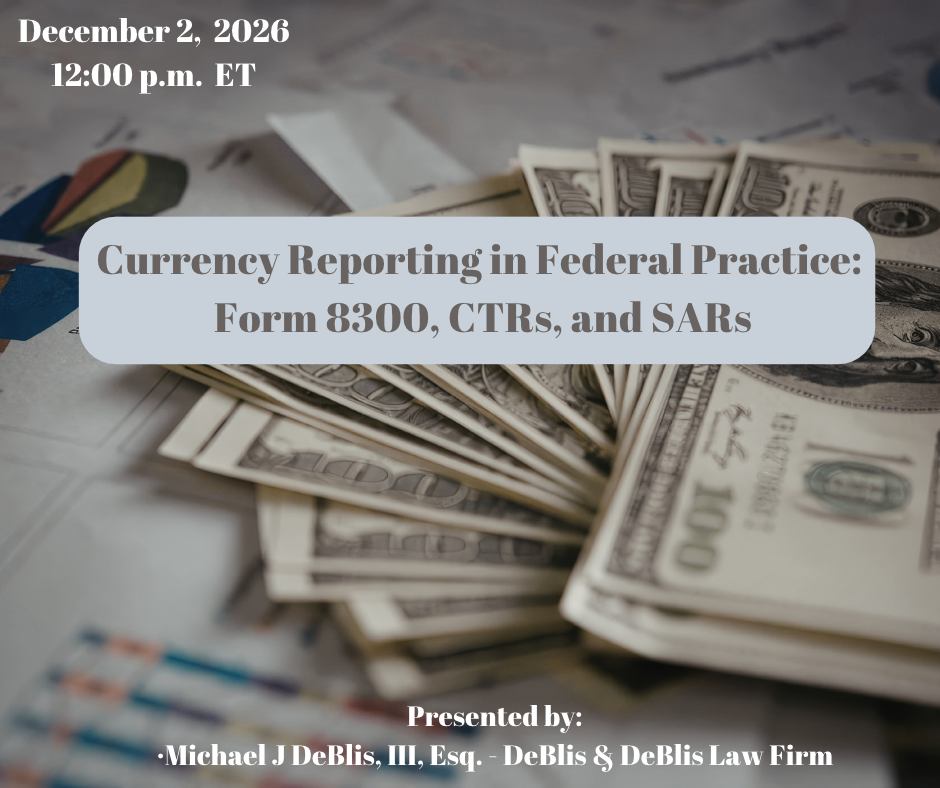
This program provides trial attorneys with a thorough grounding in the three principal currency repo...