
Exciting new series on “Voice, Body and Movement for Lawyers – How to connect with the jury and find Justice Through Dramatic Technique!”
Click here to find out more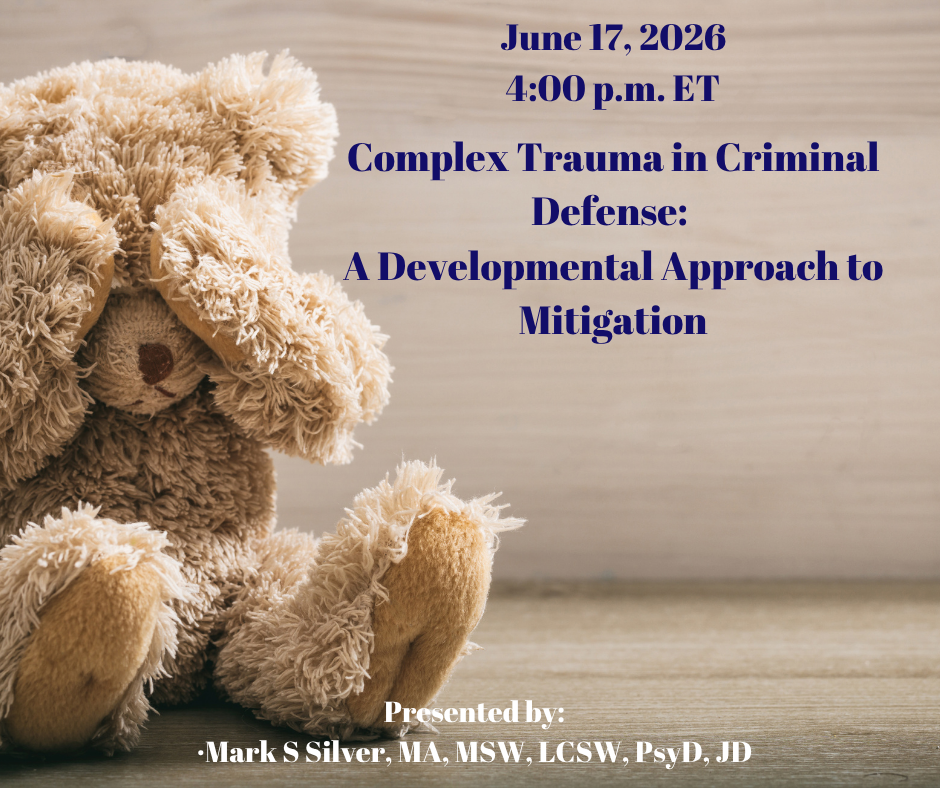
This program explores the impact of complex trauma on criminal defendants through a developmental and clinical lens. Participants will examine how adverse childhood experiences (ACEs), abuse, and neglect contribute to behavioral patterns and decision-making.
The course focuses on how trauma can be identified, assessed, and incorporated into mitigation narratives. It also examines the resulting psychopathology and how it affects culpability.
Attorneys will gain tools to present trauma-informed mitigation that supports more informed sentencing outcomes.
Learning Objectives:

During this course, we will go over your rights under the Freedom of Information Act (FOIA) and Priv...
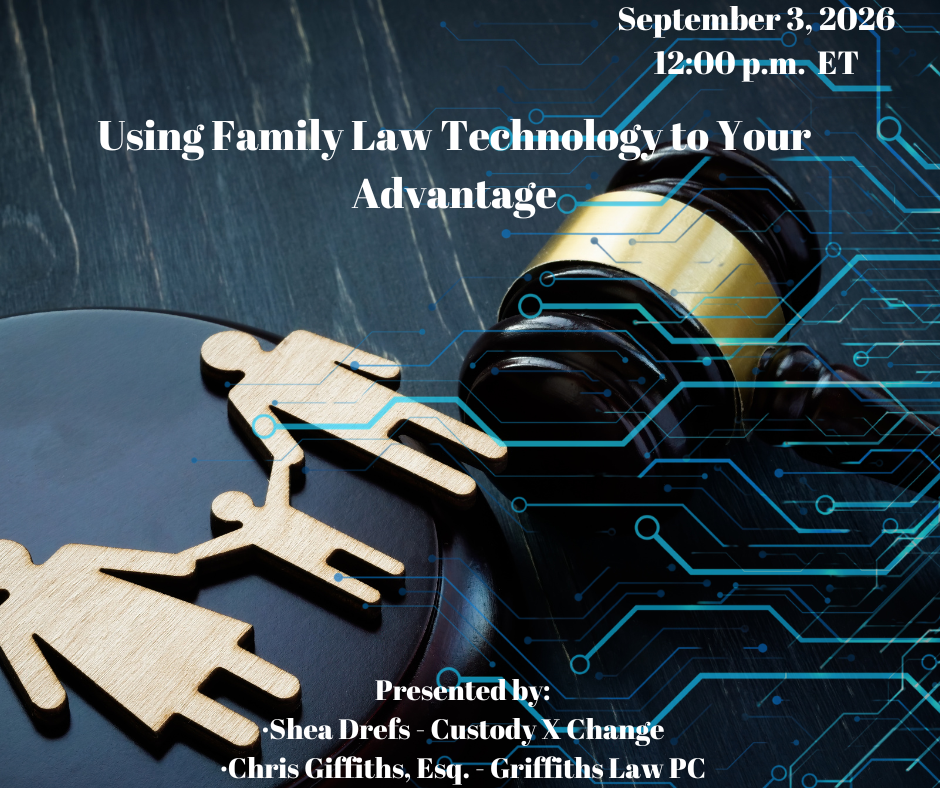
Have you felt overwhelmed by the amount of technology available to family lawyers? We'll get to know...

During this course, you will learn about best practices and strategies for retaining intellectual pr...
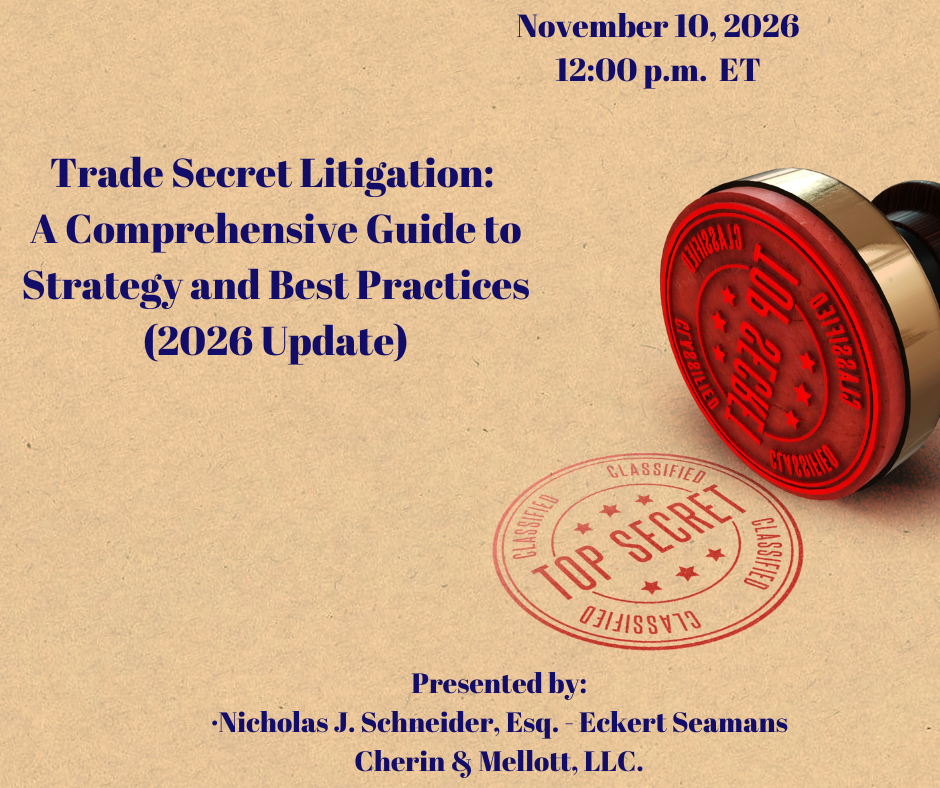
This course on trade secrets litigation provides real-world best practices through all key stages of...
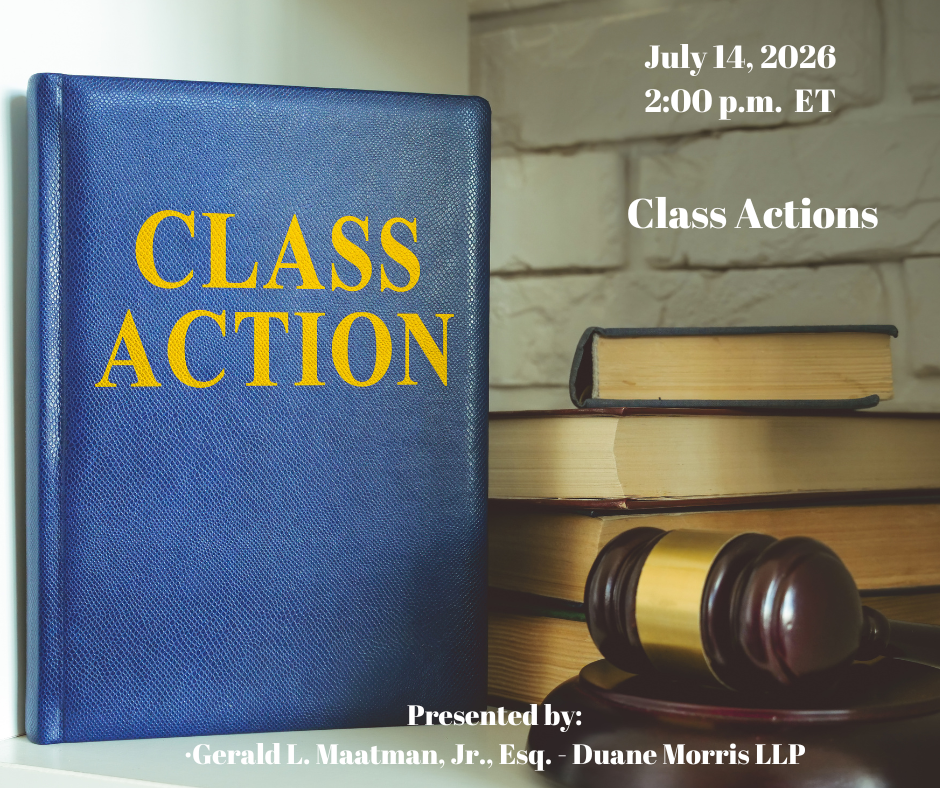
Class action litigation continues to evolve rapidly in response to an innovative plaintiffs’ b...

Trademark doctrine was built for a marketplace that no longer exists, leaving practitioners to litig...
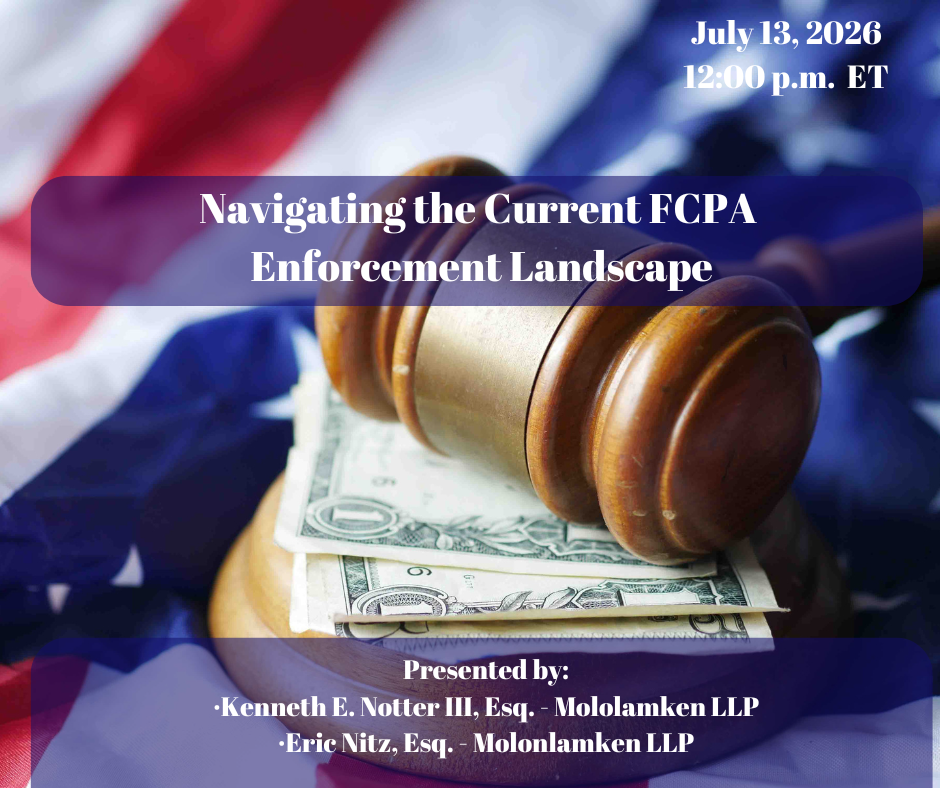
The course will explore new guidance concerning FCPA enforcement issued by the Trump Administration ...

Decentralized Autonomous Organizations (DAOs) and other digital-native structures have moved from ni...

State attorneys general continue to play a central and increasingly aggressive role in consumer prot...

Adverse and derogatory information often has devastating effects on a contractor's ability to win co...