
Exciting new series on “Voice, Body and Movement for Lawyers – How to connect with the jury and find Justice Through Dramatic Technique!”
Click here to find out more
Join us for Part 2 of a program tailored for attorneys seeking a better understanding of the ongoing dynamic intersection of Artificial Intelligence (AI) and Alternative Dispute Resolution (DR). Attendance at Part 1 is not required to benefit from Part 2.
This program will explore some of the current types of AI-driven DR and how DR providers continue to incorporate this into day-to-day practice. We will also delve into the ongoing ethical considerations inherent in their application including those covering both advocates and DR providers. The program will discuss not only the applicable Model Rules of Professional Conduct but cover more recent enactment of AI/DR Rules by various providers and governing institutions. By the program's conclusion, participants will appreciate the current and evolving role AI plays in DR processes while recognizing the irreplaceable expertise and ethical judgment that humans bring to the resolution table. Participants will also learn practice pointers for maintaining confidentiality and avoiding common pitfalls as the use of these tools continues to evolve.
This course on trade secrets litigation provides real-world best practices through all key stages of...
Decentralized Autonomous Organizations (DAOs) and other digital-native structures have moved from ni...
This program is geared towards lawyers, experts, commercial property owners, and others in the envir...
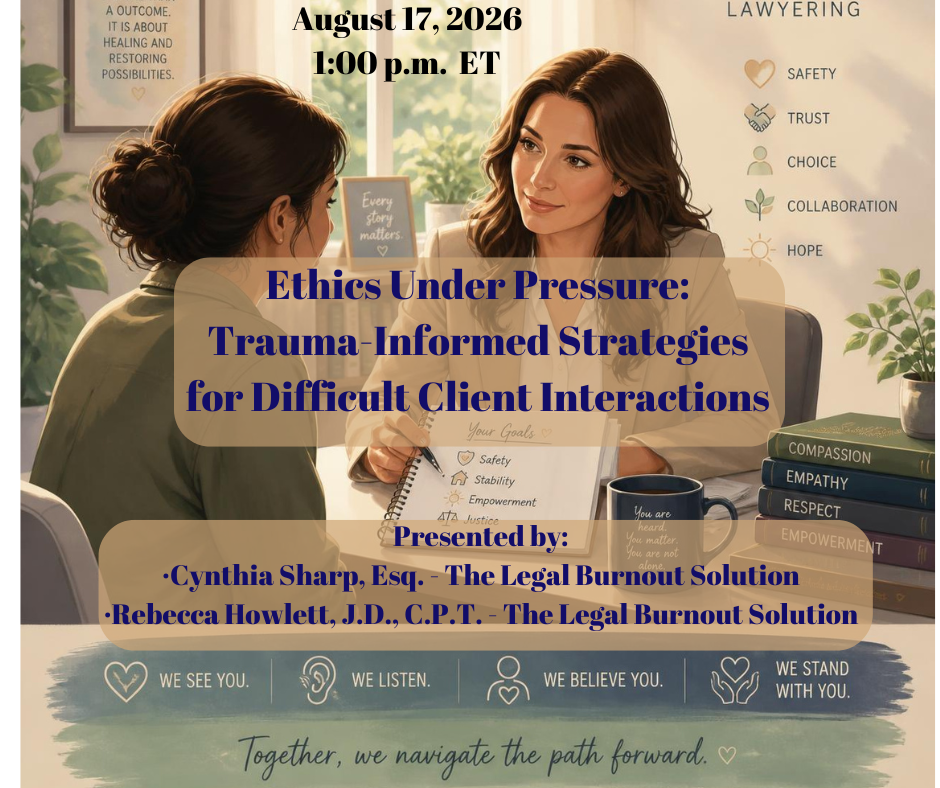
Lawyers regularly communicate with clients who are angry, overwhelmed, frightened, unrealistic, or d...
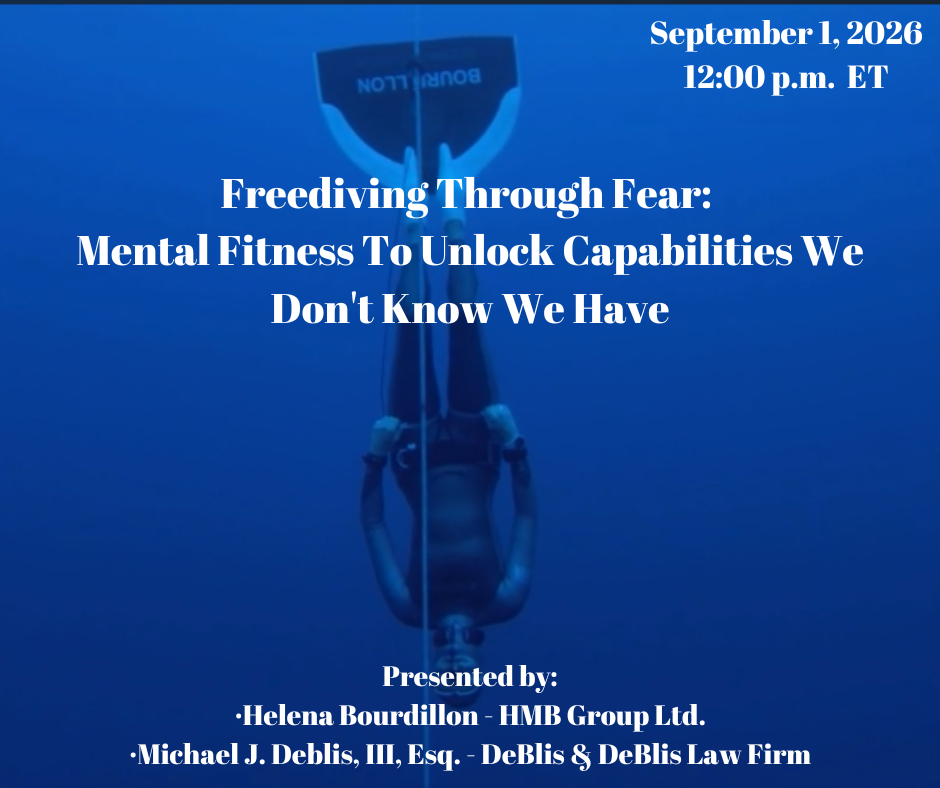
Most legal professionals are operating in survival mode whether they realize it or not. Not crisis-l...
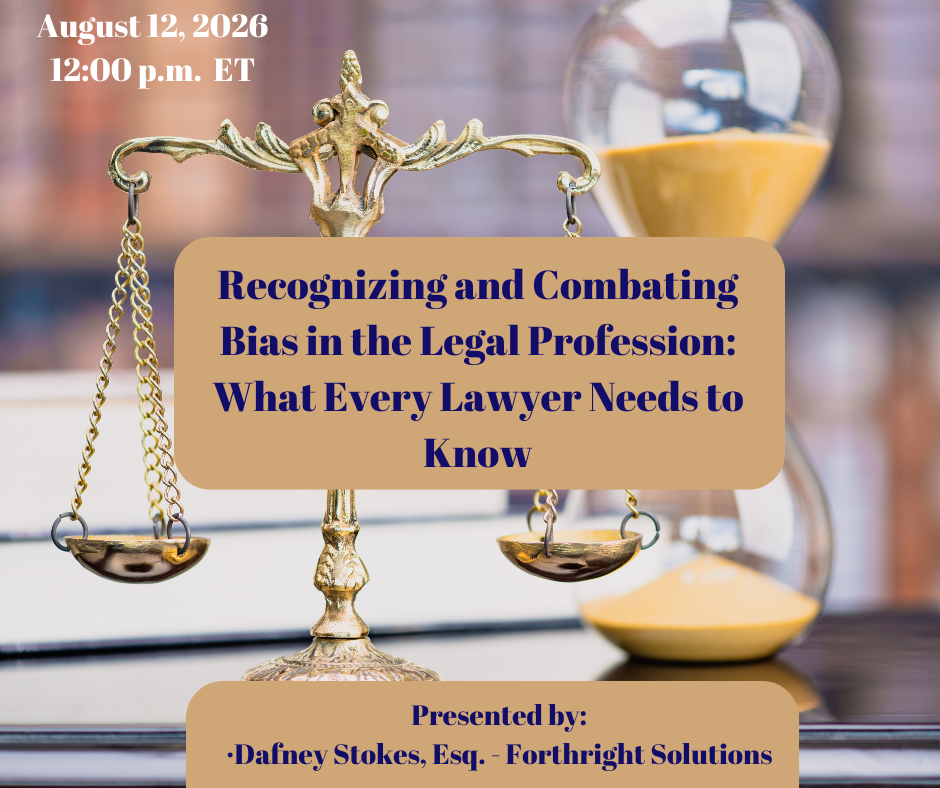
This one-hour CLE program examines the impact of implicit and systemic bias within the legal profess...
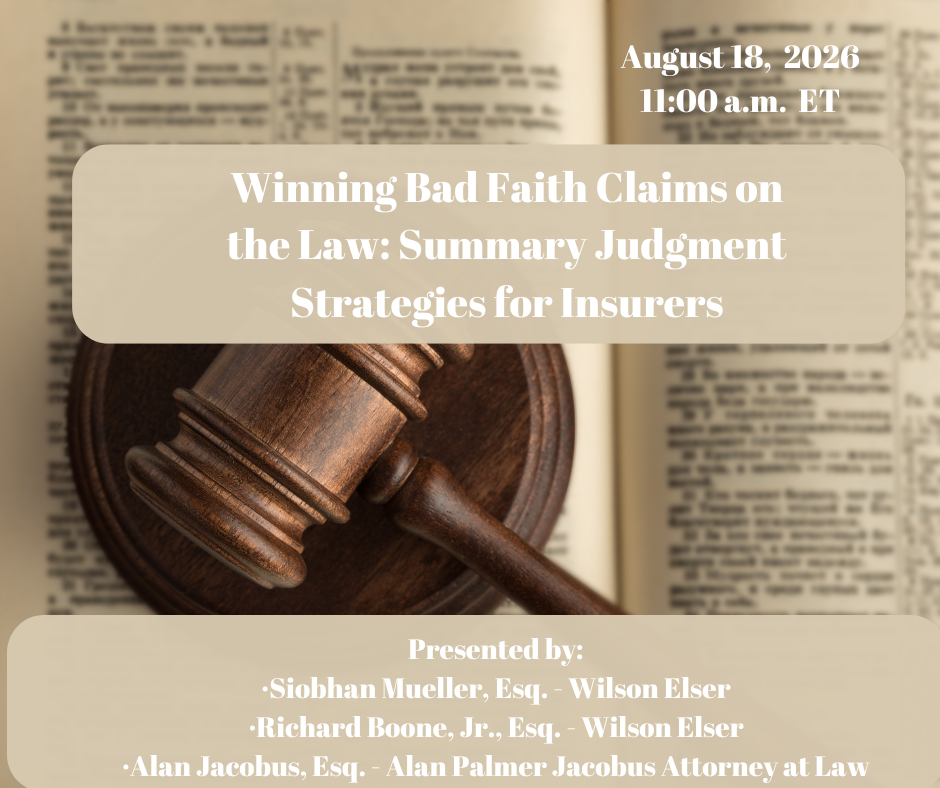
This CLE course will provide critical insight to counsel for insurers facing bad faith claims on how...
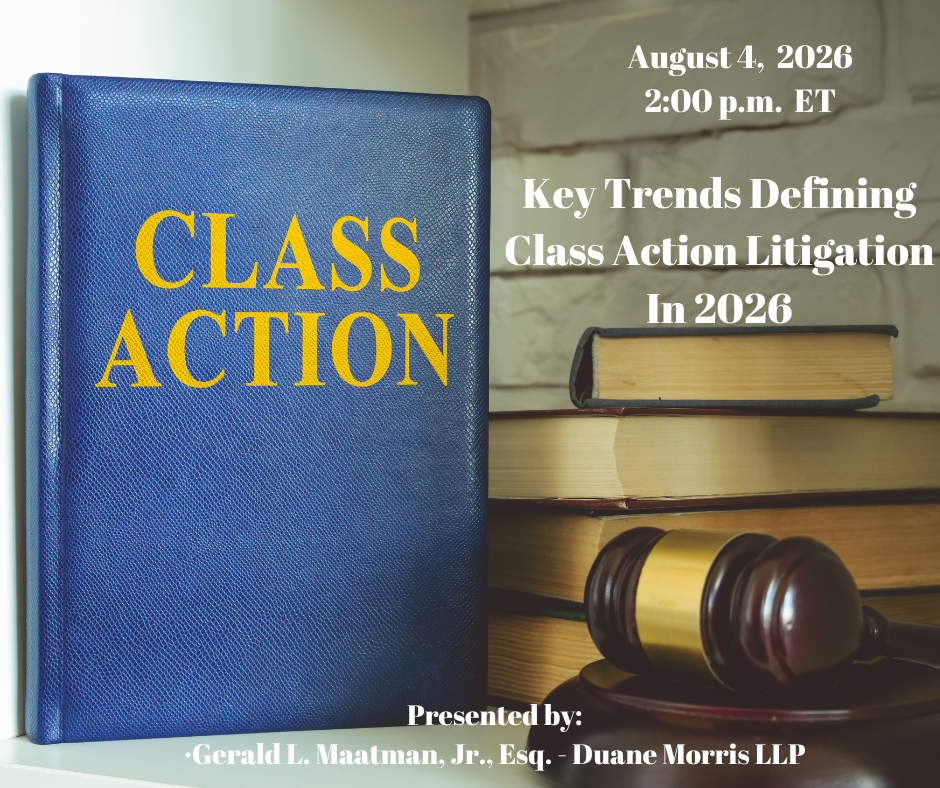
Class action litigation continues to evolve rapidly in response to an innovative plaintiffs’ b...
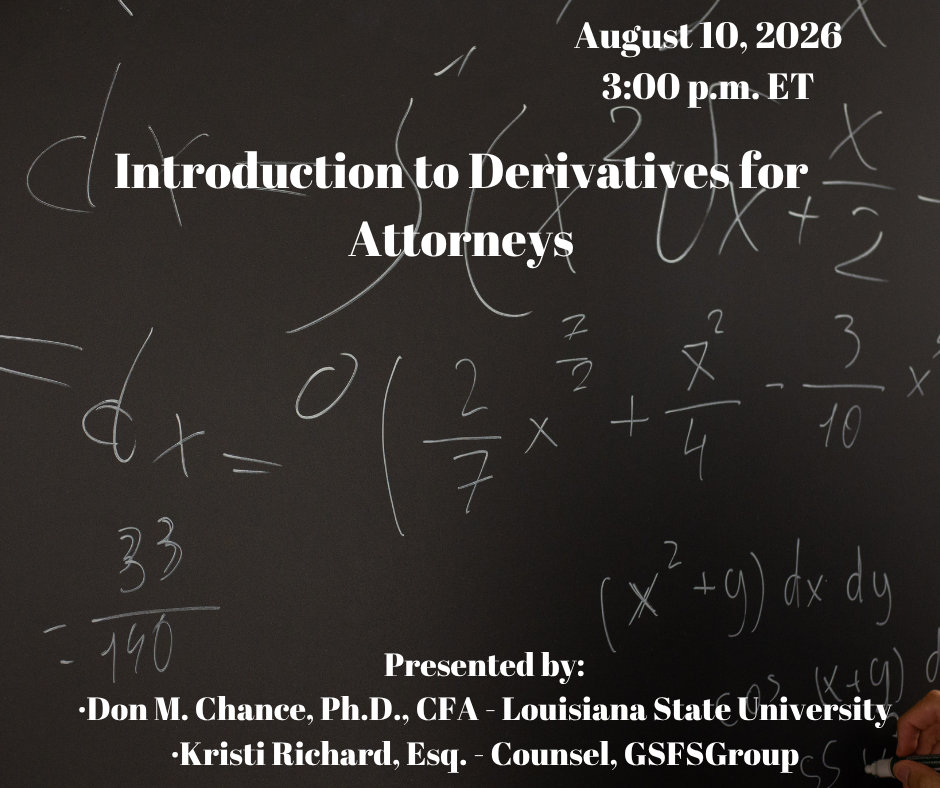
This program provides attorneys with a foundational understanding of derivatives and their role in m...
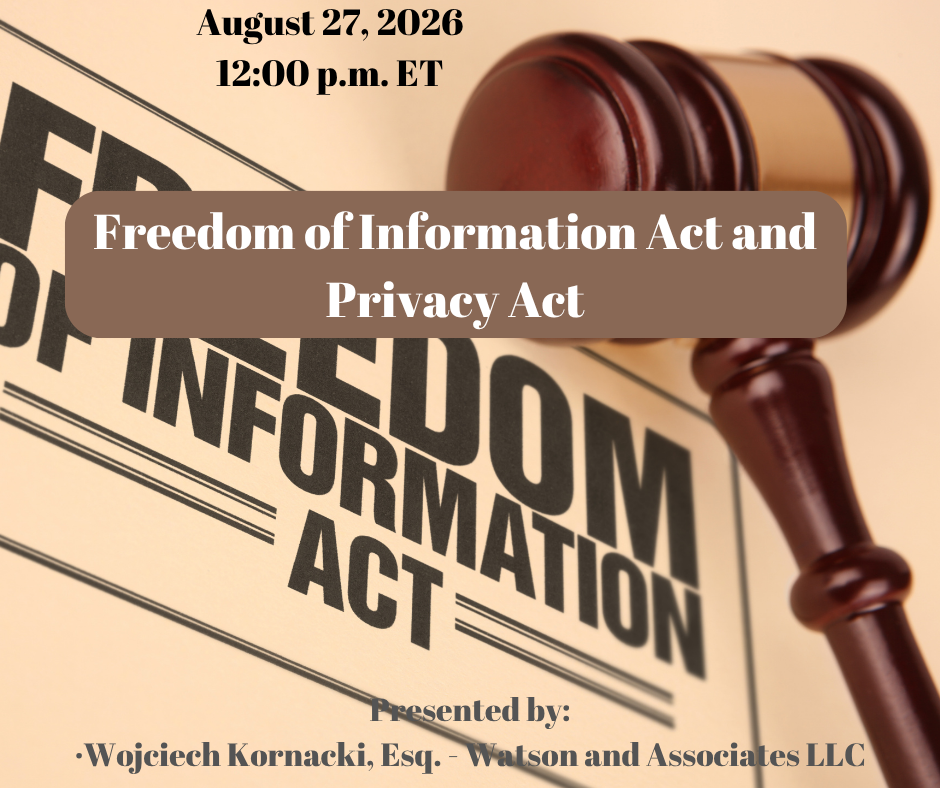
During this course, we will go over your rights under the Freedom of Information Act (FOIA) and Priv...