
Exciting new series on “Voice, Body and Movement for Lawyers – How to connect with the jury and find Justice Through Dramatic Technique!”
Click here to find out more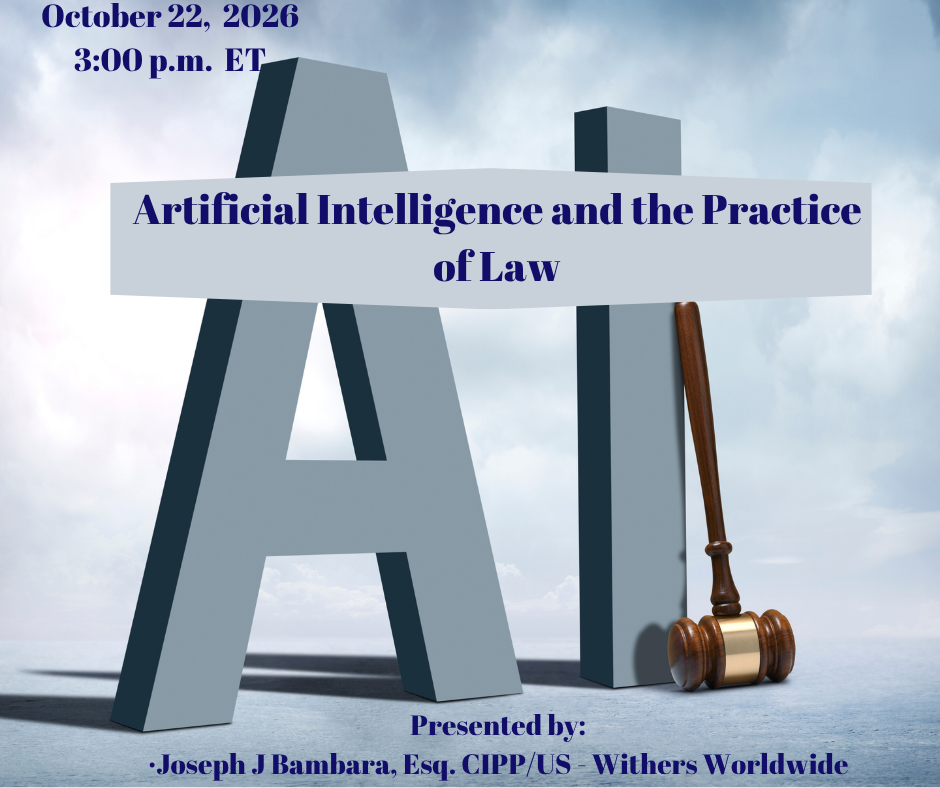
"Artificial Intelligence and the Practice of Law" (updated through 2026), is a 50-slide primer designed to give attorneys and legal professionals the technical fluency needed to competently counsel clients on AI-related matters, spanning the foundational mechanics of AI and generative/agentic systems through to the legal and regulatory frameworks now governing their deployment including a dedicated section on the legal treatment of AI covering tort and liability theory, intellectual property disputes over training data and AI-generated output, contract and commercial law considerations for AI vendor agreements, comparative regulation across the EU, US, UK, and China, and a timeline of key 2023–2026 tech law developments.
Learning Objectives By the end, attorneys should be able to:

I was wrongfully separated from the military and I will get no military pay and disability retiremen...
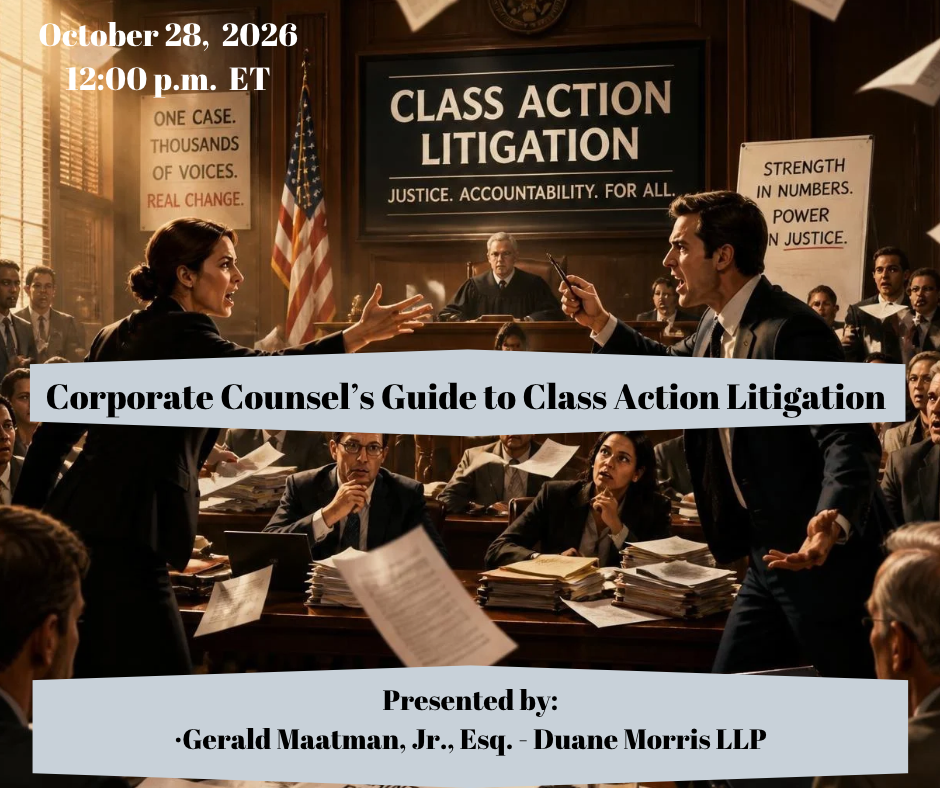
Class action litigation continues to expand in both number of filings and monetary exposure, with se...

This course is meant for lawyers of all levels and areas of practice, and in it, we will explore way...

During this course you will take a deep dive into federal bid protest litigation at the U.S. Court o...

Perfectionism is often rewarded in the legal profession. It drives attention to detail, thorough pre...

New York City’s new Non-Primary Residence Property Surcharge—commonly known as the pied-...

Data privacy remains one of the most rapid areas of growth in the class action space. Plaintiffs con...

Class action litigation presents significant legal and business challenges for employers and corpora...

The practice of law places legal professionals under extraordinary and often chronic stress, making ...
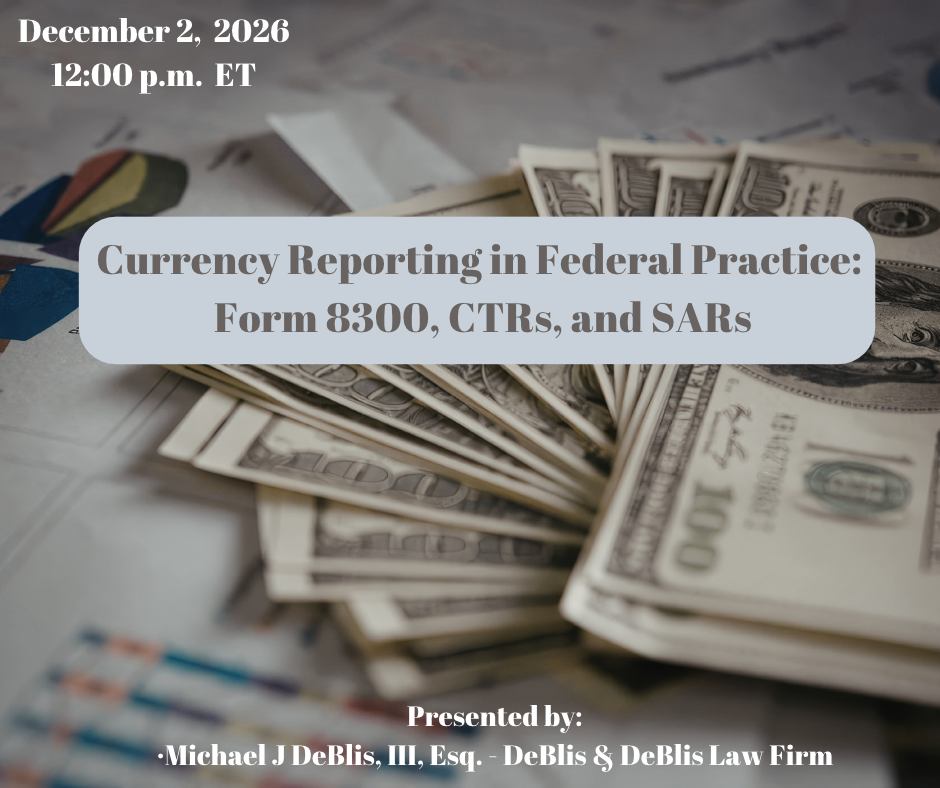
This program provides trial attorneys with a thorough grounding in the three principal currency repo...