
Exciting new series on “Voice, Body and Movement for Lawyers – How to connect with the jury and find Justice Through Dramatic Technique!”
Click here to find out more
In this presentation, we'll cover the beats that all great stories go through. From there, we'll discuss the importance of finding the tempo of the narrative pace, the rule of three's and how to apply it, and how to build suspense. In doing so, we'll visit the works of some famous authors like Edgar Allan Poe and Stephen King to see what literary devices they employ. This will enhance your ability to tell your client's story to the jury in a way that will leave an unforgettable impression.
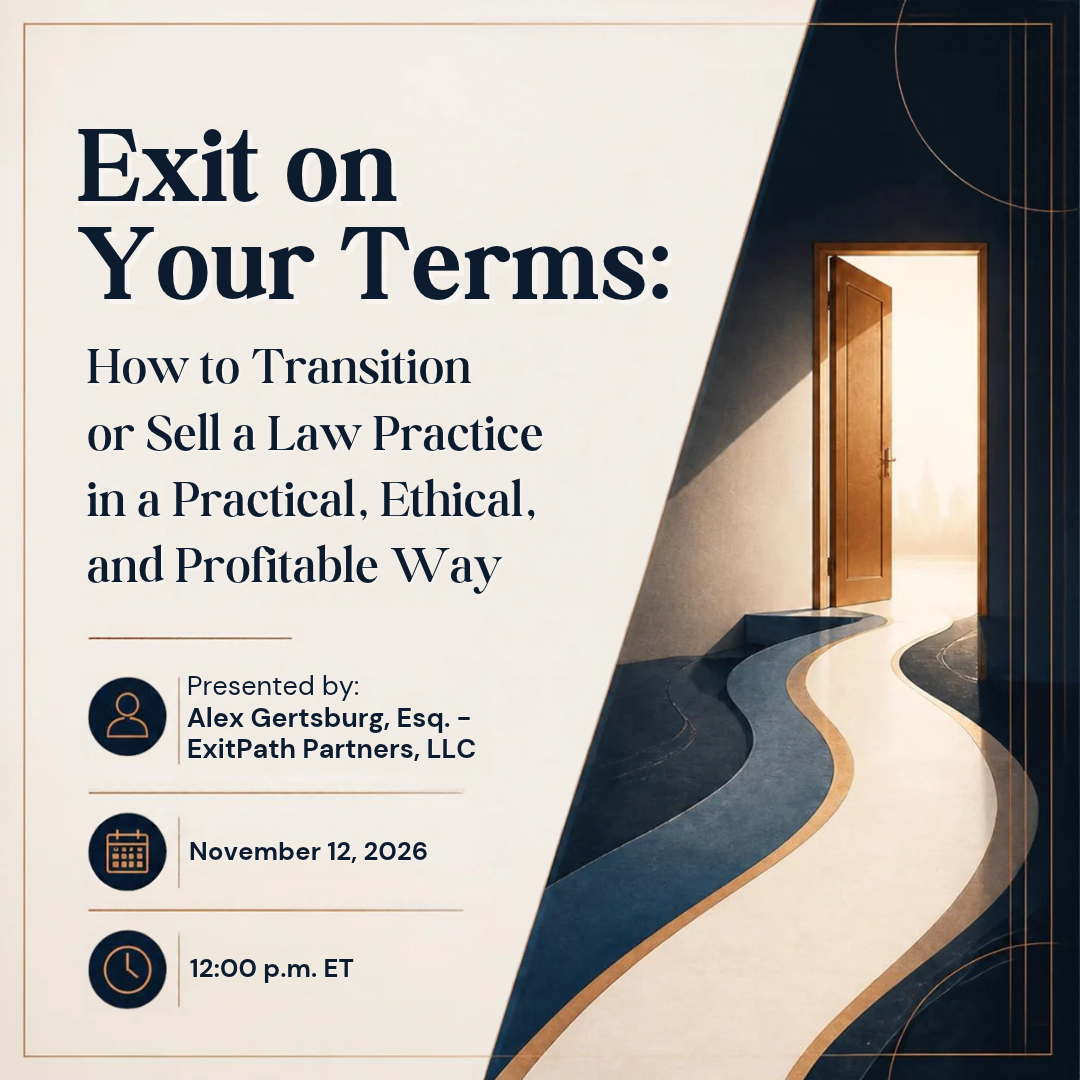
Turn decades of client relationships into lasting equity. This practical CLE shows attorneys how to ...
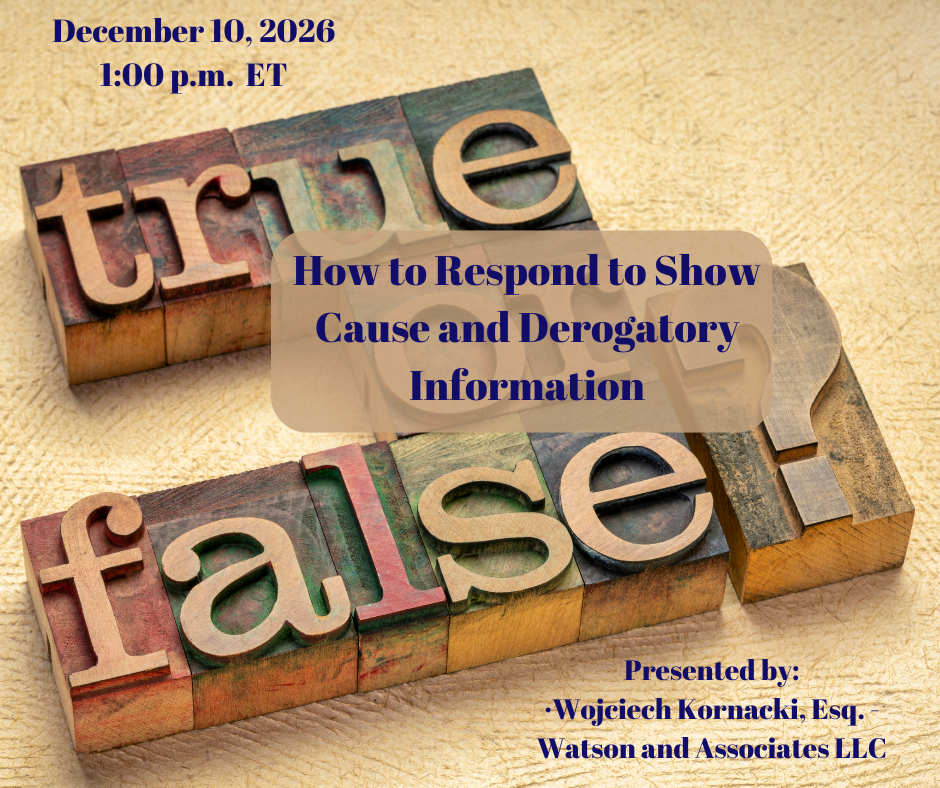
Adverse and derogatory information often has devastating effects on a contractor's ability to win co...
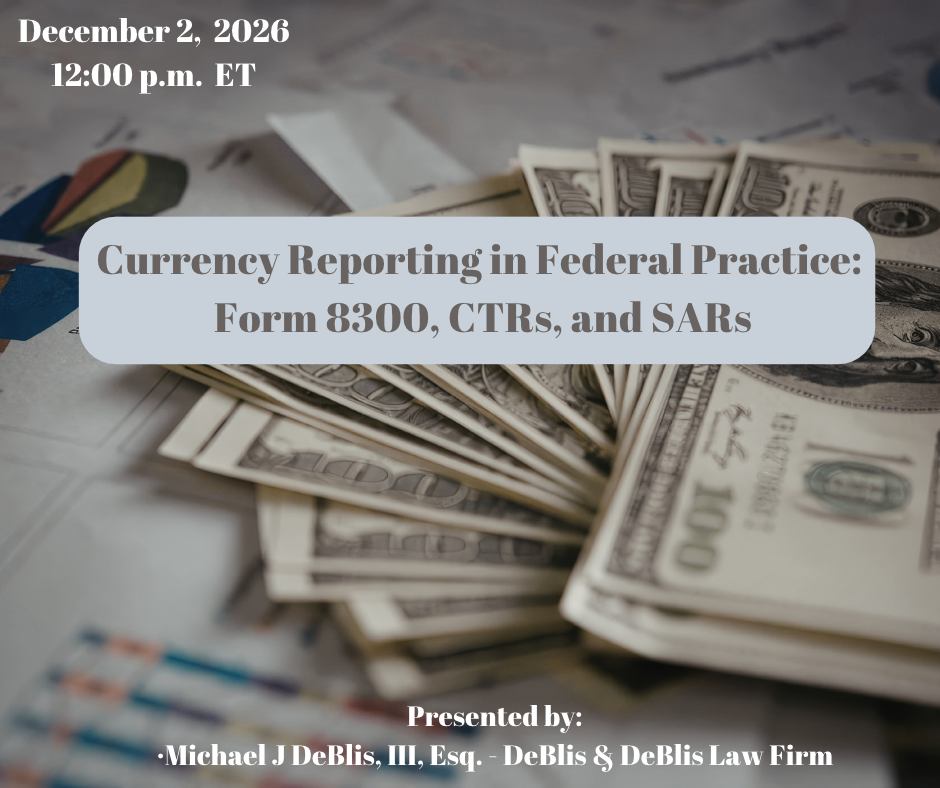
This program provides trial attorneys with a thorough grounding in the three principal currency repo...
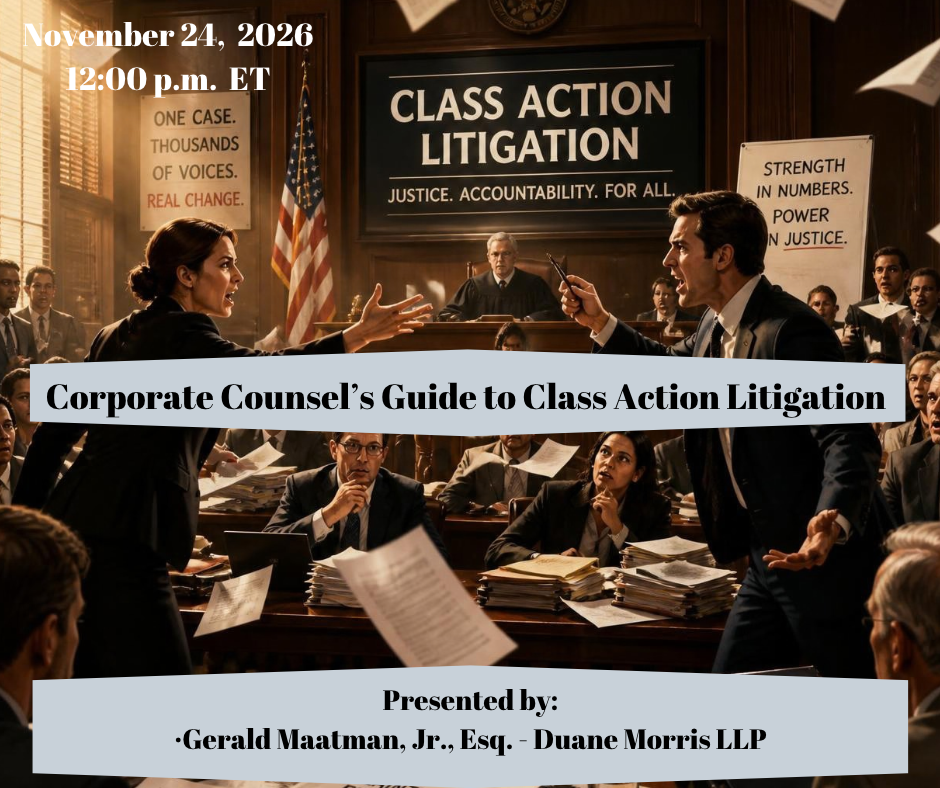
Class action litigation continues to expand in both number of filings and monetary exposure, with se...
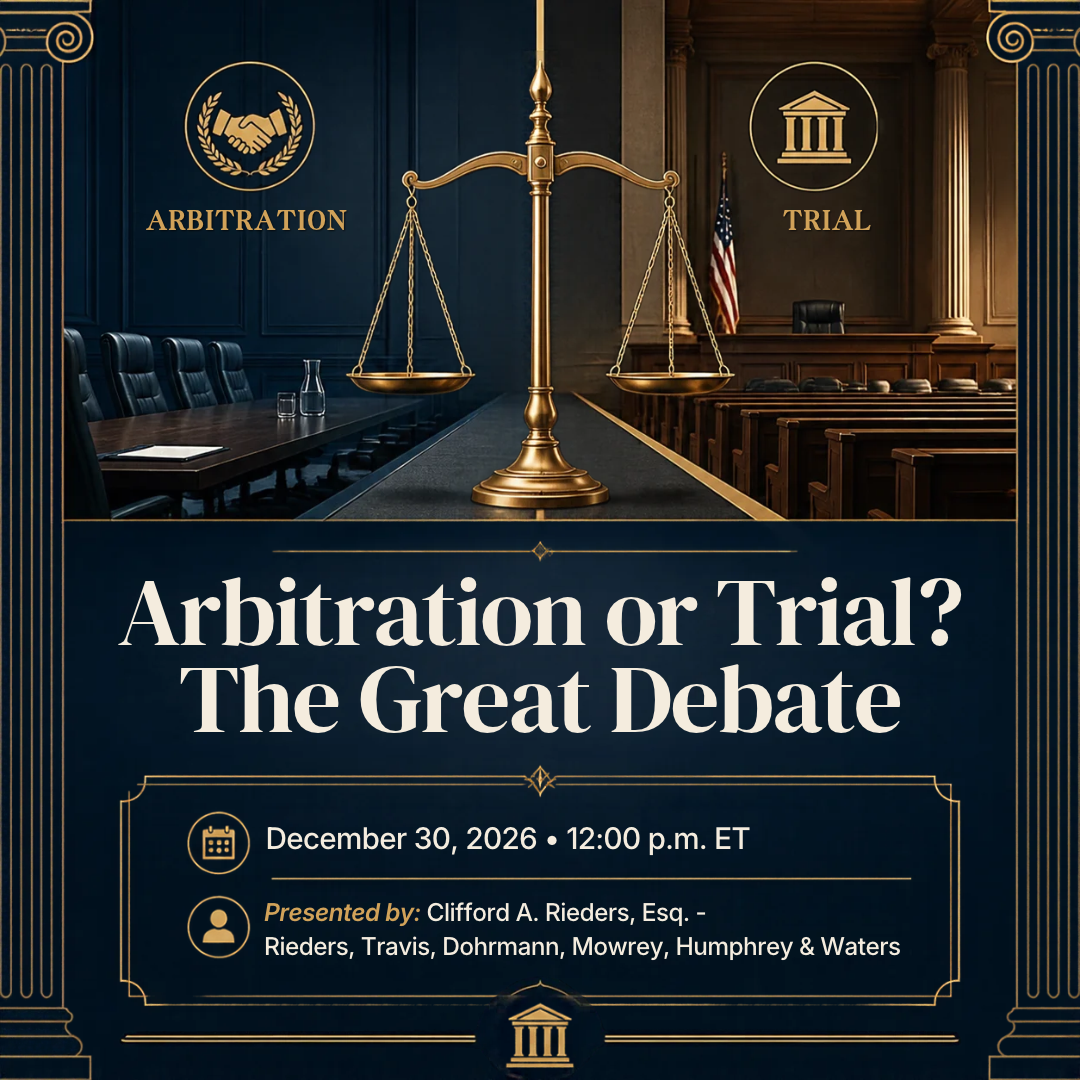
This seminar concerns a scope, jurisdiction, and exceptions to the Federal Arbitration Act. The Act ...

I was wrongfully separated from the military and I will get no military pay and disability retiremen...
Class action litigation presents significant legal and business challenges for employers and corpora...

Data privacy remains one of the most rapid areas of growth in the class action space. Plaintiffs con...
This course is meant for lawyers of all levels and areas of practice, and in it, we will explore way...
This program provides a practical roadmap to mastering every stage of the discovery process in civil...