
Exciting new series on “Voice, Body and Movement for Lawyers – How to connect with the jury and find Justice Through Dramatic Technique!”
Click here to find out more
In international arbitration practice, it is common to see parties from various cultural backgrounds and a globalized pool of legal talent acting as counsel and arbitrators. The interaction between different cultural and legal approaches does not come without challenges. It may become difficult for practitioners to understand which ethical rules and guidelines are relevant and how they may apply. Indeed, over the past decade, the role of ethical rules, professional best practices, and other guiding principles has become a hotly debated topic for international arbitration practitioners.
This program provides U.S. licensed practicing lawyers with foundational guidance in these areas. It introduces international arbitration and the unique ethical challenges that a globalized practice may present. Then, it covers the mandatory ethical rules, drawing on ABA Model Rules 1.6 and 1.12, followed by recommended best practices that may guide practitioners through various pitfalls and challenges. They will also touch upon emerging practices relating to the regulation and use of artificial intelligence in international arbitration, including discussion of the Silicon Valley Mediation and Arbitration Center’s new Guidelines on the Use of Artificial Intelligence in International Arbitration (published April 30, 2024). Finally, the program will conclude with how various guidelines might improve and support a forum for dispute resolution built on the concepts of neutrality, party autonomy, and procedural flexibility.
This program examines the scope, jurisdiction, and exceptions to the Federal Arbitration Act (FAA), ...
As the largest purchaser of goods and services in the world, the United States Government requires f...
I was wrongfully separated from the military and I will get no military pay and disability retiremen...
This program examines the legal standards and factors courts throughout the United States apply when...
Class action waivers in arbitration agreements remain enforceable, but a decade of U.S. Supreme Cour...
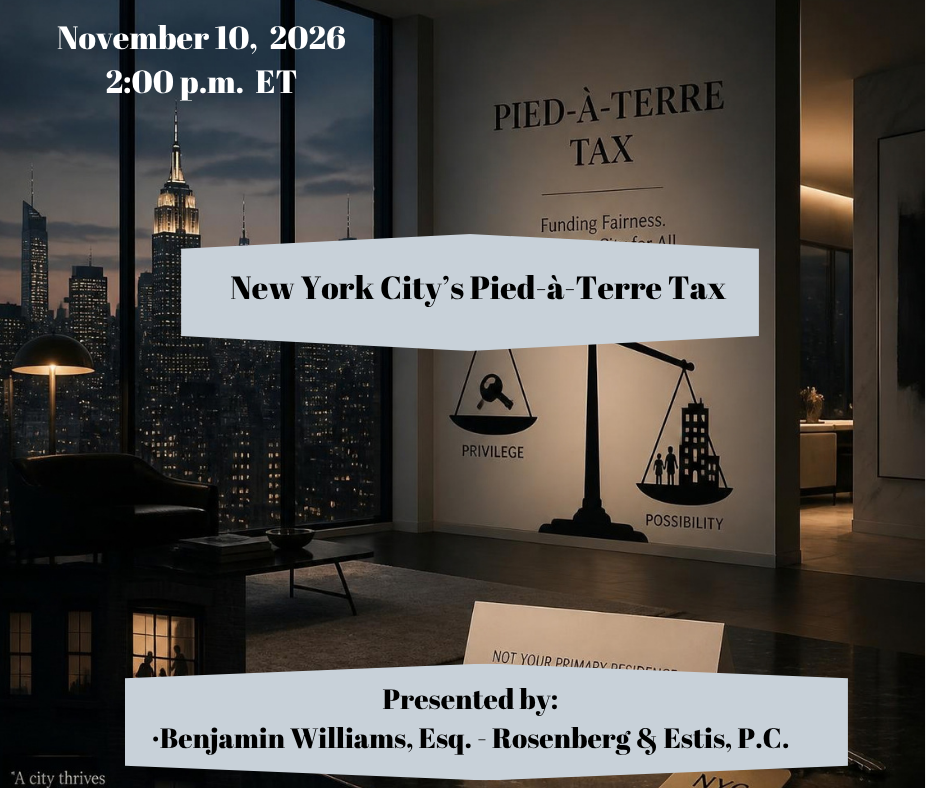
New York City’s new Non-Primary Residence Property Surcharge—commonly known as the pied-...
“Is Your Voice Biometric Data? BIPA, AI and the New Era of Voiceprint Litigation” looks ...
Confidentiality Agreements (also called NDAs) are too often treated as routine. So routine, th...
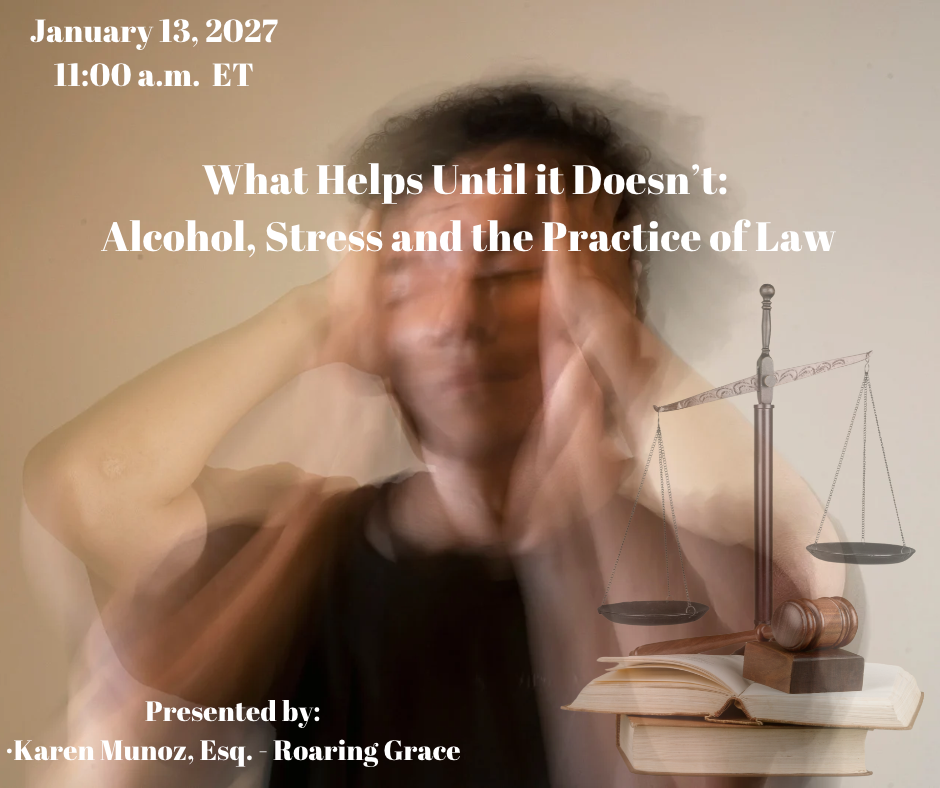
The practice of law places legal professionals under extraordinary and often chronic stress, making ...
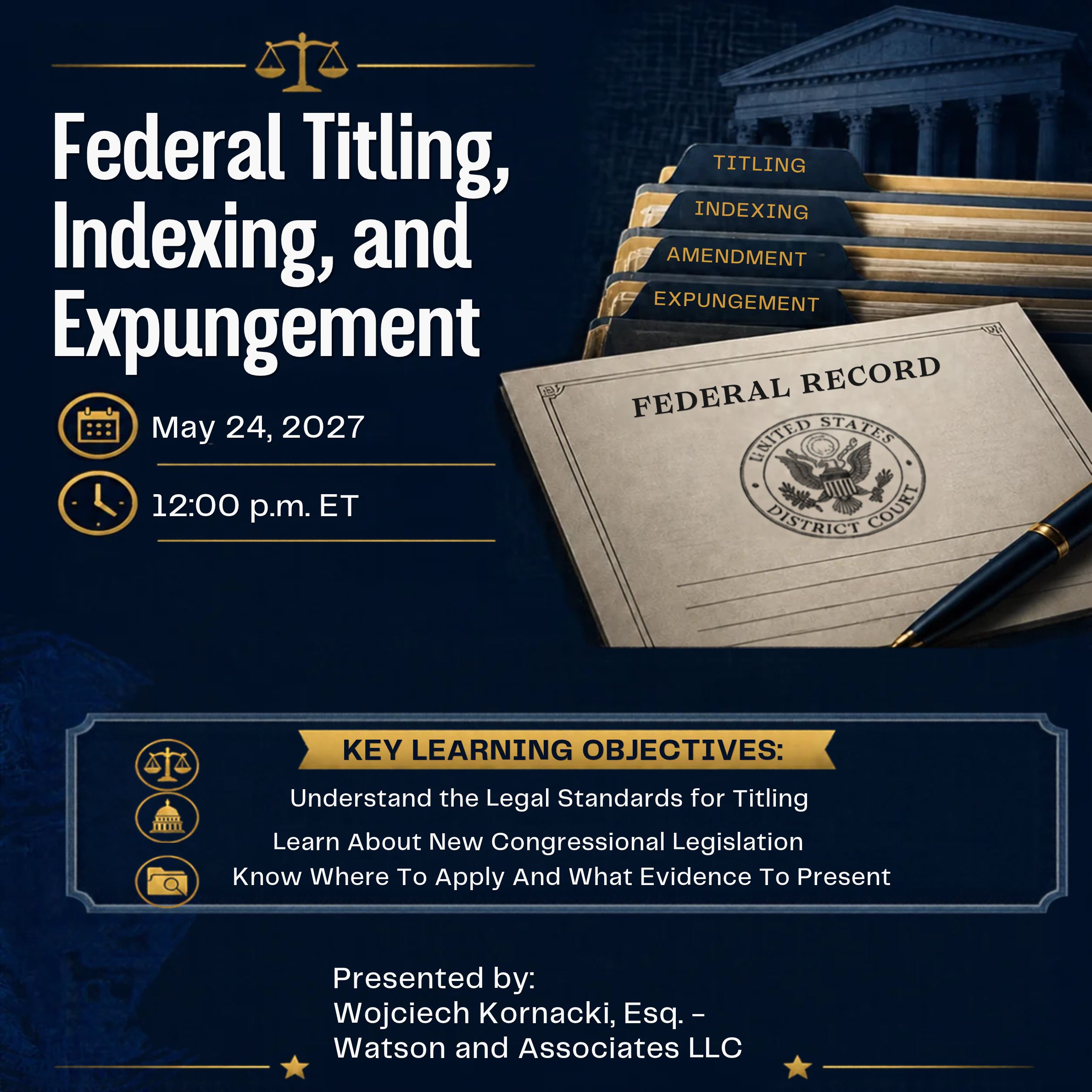
This course analyzes federal titling and indexing requirements and how to expunge or amend your reco...