
Exciting new series on “Voice, Body and Movement for Lawyers – How to connect with the jury and find Justice Through Dramatic Technique!”
Click here to find out more
Presented in plain-language English, this presentation will address the minimum necessary network security requirements, as well as identify regulated data fields and their key cybersecurity elements. Additionally, the presenter will discuss emerging litigation with common law causes of action that evade that the prohibitions against private rights of action found in several federal regulations. Through this course, attorneys will be armed with a pragmatic approach to regulated data, minimum security requirements, and litigations risk with which to better advise and inform their clients and peers.

2026 was a very important year when it comes to federal procurement developments, Artificial Intelli...

This program provides trial attorneys with a thorough grounding in the three principal currency repo...

Class action litigation presents significant legal and business challenges for employers and corpora...

During this course you will take a deep dive into federal bid protest litigation at the U.S. Court o...

Perfectionism is often rewarded in the legal profession. It drives attention to detail, thorough pre...
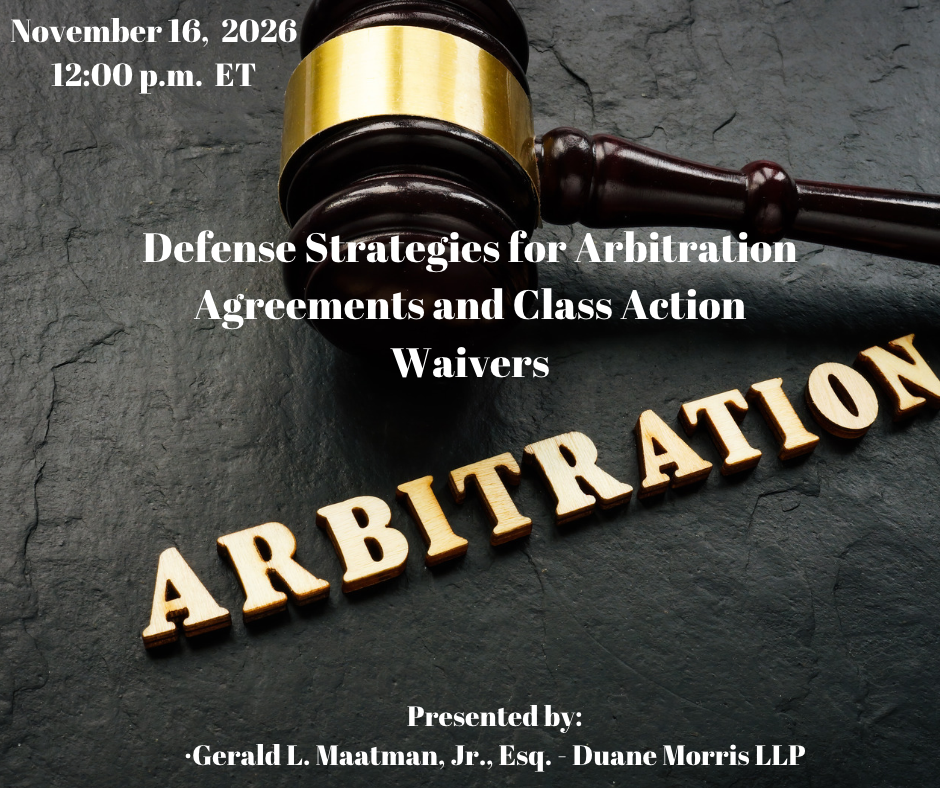
Class action waivers in arbitration agreements remain enforceable, but a decade of U.S. Supreme Cour...

Class action litigation continues to expand in both number of filings and monetary exposure, with se...

I was wrongfully separated from the military and I will get no military pay and disability retiremen...

Adverse and derogatory information often has devastating effects on a contractor's ability to win co...
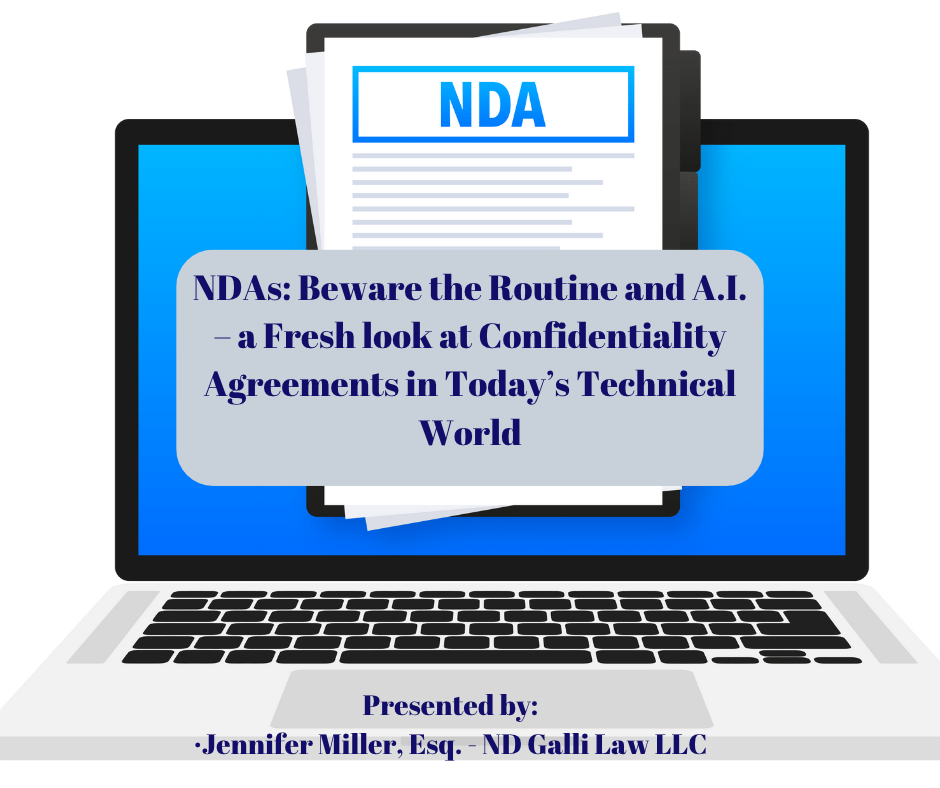
Confidentiality Agreements (also called NDAs) are too often treated as routine. So routine, th...