
Exciting new series on “Voice, Body and Movement for Lawyers – How to connect with the jury and find Justice Through Dramatic Technique!”
Click here to find out more
When the investigation concludes, the discipline is issued, and the file is closed, most organizations go back to business as usual, and that is exactly when the next lawsuit begins. In this CLE program, employment attorney Natalie Holder, Esq., SPHR, founder of QUEST Employment Initiatives and former inaugural Chief Diversity Officer for the U.S. Capitol Police and SLAC National Accelerator Laboratory at Stanford University, challenges attorneys to extend their advisory role beyond the investigation itself and into the systemic repair work that follows. Drawing on her dual perspective as an employment litigator and internal investigator, Natalie introduces the Culture Repair™ framework, a diagnostic methodology for identifying the structural roots of a broken workplace culture: the leadership patterns, policy gaps, accountability failures, and communication breakdowns that allowed the misconduct to occur in the first place.
Attendees will learn how to guide clients through a post-investigation culture assessment, translate findings into prioritized remediation recommendations, and coach leadership teams on the systemic fixes that prevent repeat violations, reduce retaliation risk, and transform a reactive compliance posture into a proactive legal infrastructure, turning the investigation from a legal endpoint into an organizational turning point.
Learning Objectives:
This program addresses a gap no standard ethics CLE reaches: the psychology of what happens inside t...
AI agents — autonomous systems capable of planning, deciding, and acting independently across ...
As the largest purchaser of goods and services in the world, the United States Government requires f...

During this course, you will learn about best practices and strategies for retaining intellectual pr...
Objections are among the most powerful — and most misunderstood — tools in a trial lawye...
"Artificial Intelligence and the Practice of Law" (updated through 2026), is a 50-slide primer desig...
This program provides a practical roadmap to mastering every stage of the discovery process in civil...
Open-source AI models have gone from niche developer tools to enterprise essentials almost overnight...
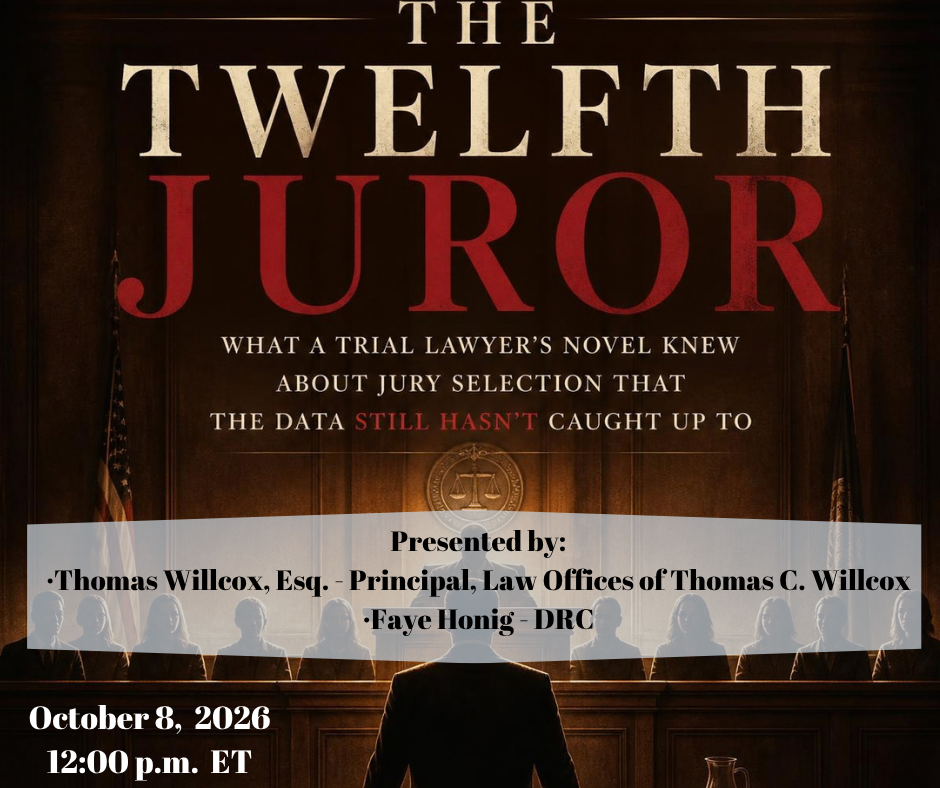
The Twelfth Juror: Lessons on Jury Selection from a Trial Lawyer’s Novel and a Trial Consultan...
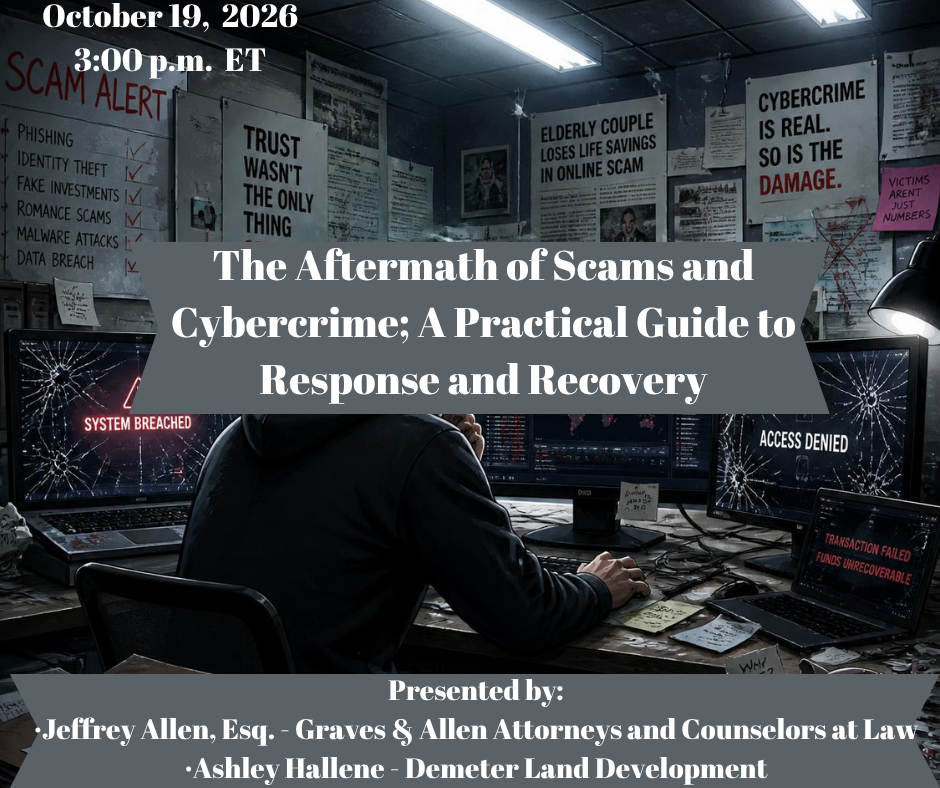
The Aftermath of Scams and Cybercrime: A Practical Guide to Response and Recovery examines the immed...