
Exciting new series on “Voice, Body and Movement for Lawyers – How to connect with the jury and find Justice Through Dramatic Technique!”
Click here to find out more
While it’s true that the quote, “Let’s kill all the lawyers” came from the stroke of Shakespeare’s pen in Henry VI, Part 2, Act IV, Scene 2, there are many things that we, as lawyers, can learn from the Bard.
Remarkably, the lawyer who stands before a jury finds himself in the very same position as that of a Shakespearean actor: he or she must rely exclusively on their words, their voice, and their bodies, including their gestures and their mannerisms, to tell the story.
It should come as no surprise that audiences back in Shakespeare’s day had a sharp ear for listening. However, in today’s age of smart phones, electronic devices, and short attention spans, everything about progress has taken us further and further away from being expressive with our words. Look no further than hashtags, emojis, and text messages with abbreviated words that we need our kids to help us decipher.
In the twenty-first century, we face the challenge of marrying the Elizabethan tradition with our modern tradition. In marrying these two traditions, this presentation will extend beyond the Bard and explore those techniques used by great wordsmiths from songwriters to storytellers and orators whose voices and words resonate with truth. Buckle up and get ready for a wild ride.
Adverse and derogatory information often has devastating effects on a contractor's ability to win co...
Class action waivers in arbitration agreements remain enforceable, but a decade of U.S. Supreme Cour...

As the largest purchaser of goods and services in the world, the United States Government requires f...

I was wrongfully separated from the military and I will get no military pay and disability retiremen...

New York City’s new Non-Primary Residence Property Surcharge—commonly known as the pied-...
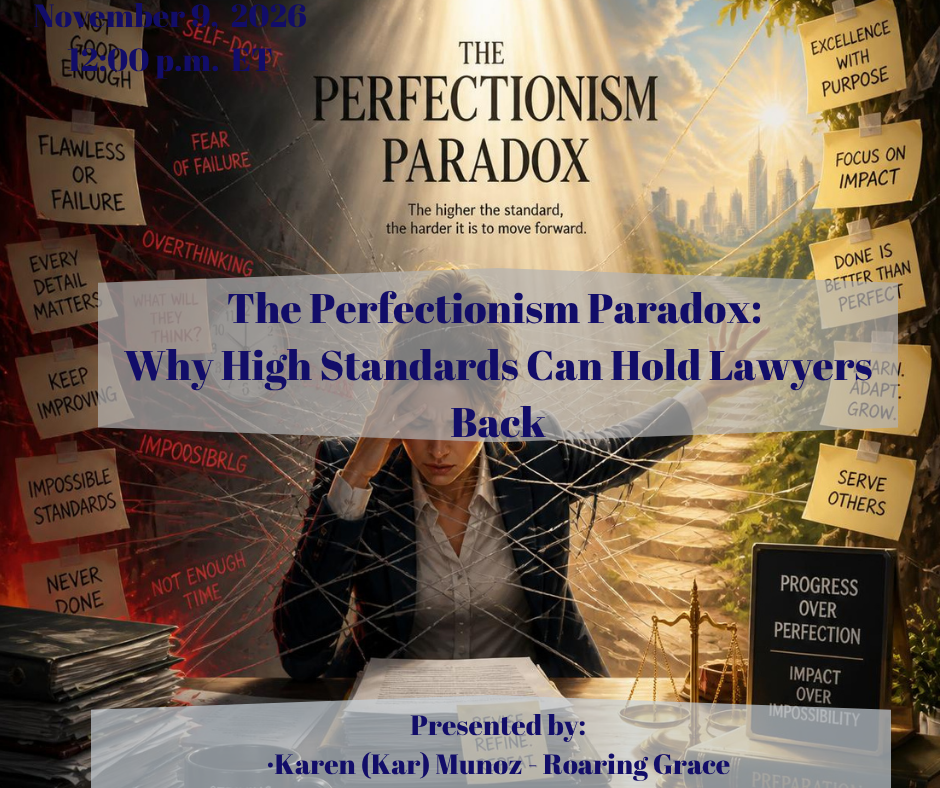
Perfectionism is often rewarded in the legal profession. It drives attention to detail, thorough pre...

This program provides a practical roadmap to mastering every stage of the discovery process in civil...

This program provides trial attorneys with a thorough grounding in the three principal currency repo...

Data privacy remains one of the most rapid areas of growth in the class action space. Plaintiffs con...
This course on trade secrets litigation provides real-world best practices through all key stages of...