
Exciting new series on “Voice, Body and Movement for Lawyers – How to connect with the jury and find Justice Through Dramatic Technique!”
Click here to find out more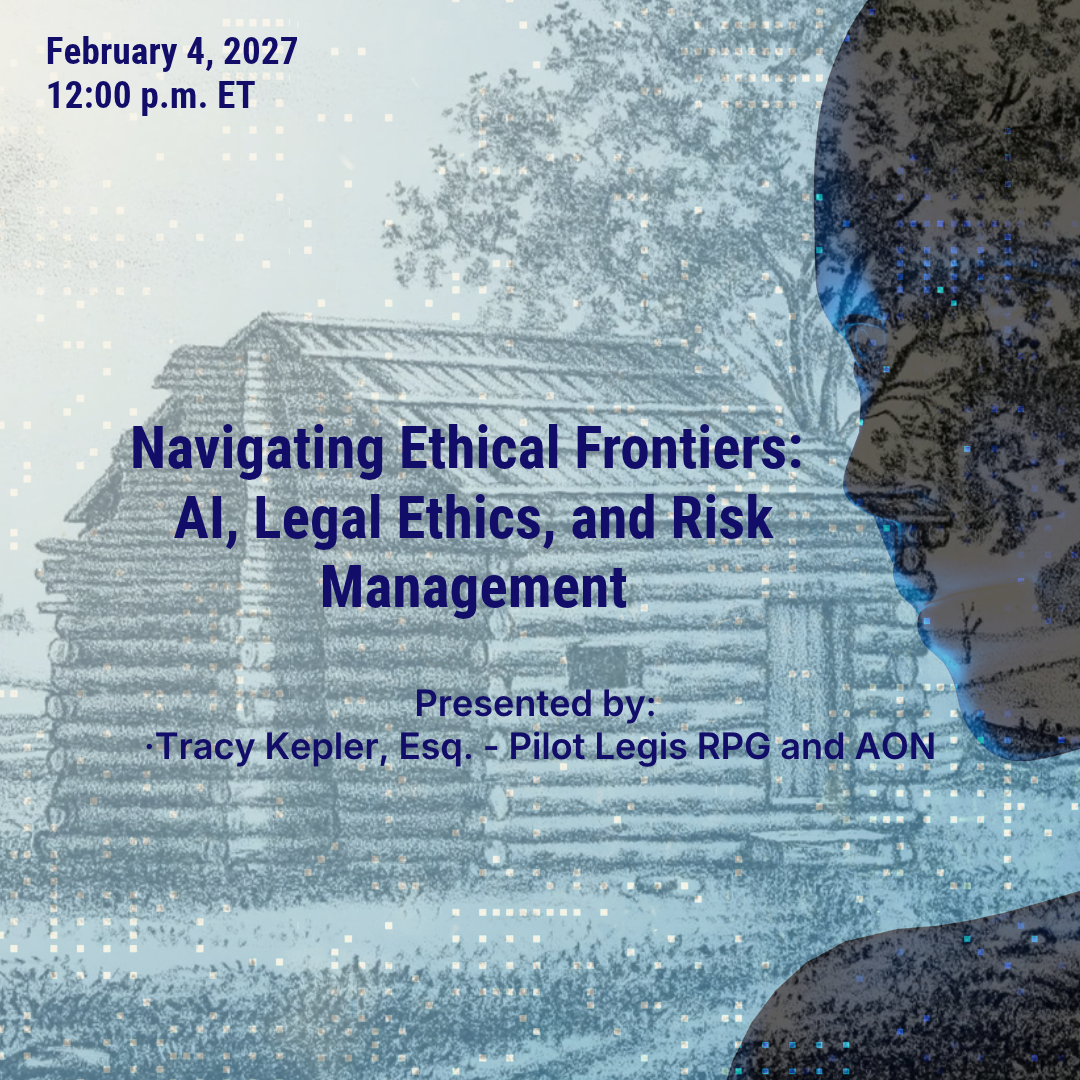
In an era where technology is revolutionizing the practice of law, it is crucial for practitioners to understand the ethical implications and risk management strategies associated with AI implementation. In this program, Ms. Kepler will take a deep dive into the ethical considerations that arise when utilizing AI…from technological competence, to maintaining client confidentiality to ensuring supervisory controls to client communication and billing structures through the applicable ABA Model Rules of Professional Conduct. She will also examine the role of AI in risk management within law firms. With AI-powered tools offering new opportunities for efficiency and accuracy, but also presenting potential risks such as hallucinations, bias and data privacy concerns, Ms. Kepler will consider such topics as AI provisions in outside counsel guidelines and retainer agreements, vetting AI platforms and vendors, who ultimately owns the data/output, internal use policies, and beneficial use. Lastly, she will also look at some case studies and real-world examples illustrating the traps, gaps and mishaps that can occur when practitioners do not understand the ethical and risk management challenges of AI in the legal field.
Learning Objectives:

You’ve arranged to speak with a reporter. Do you know how to deliver insights that are memorab...
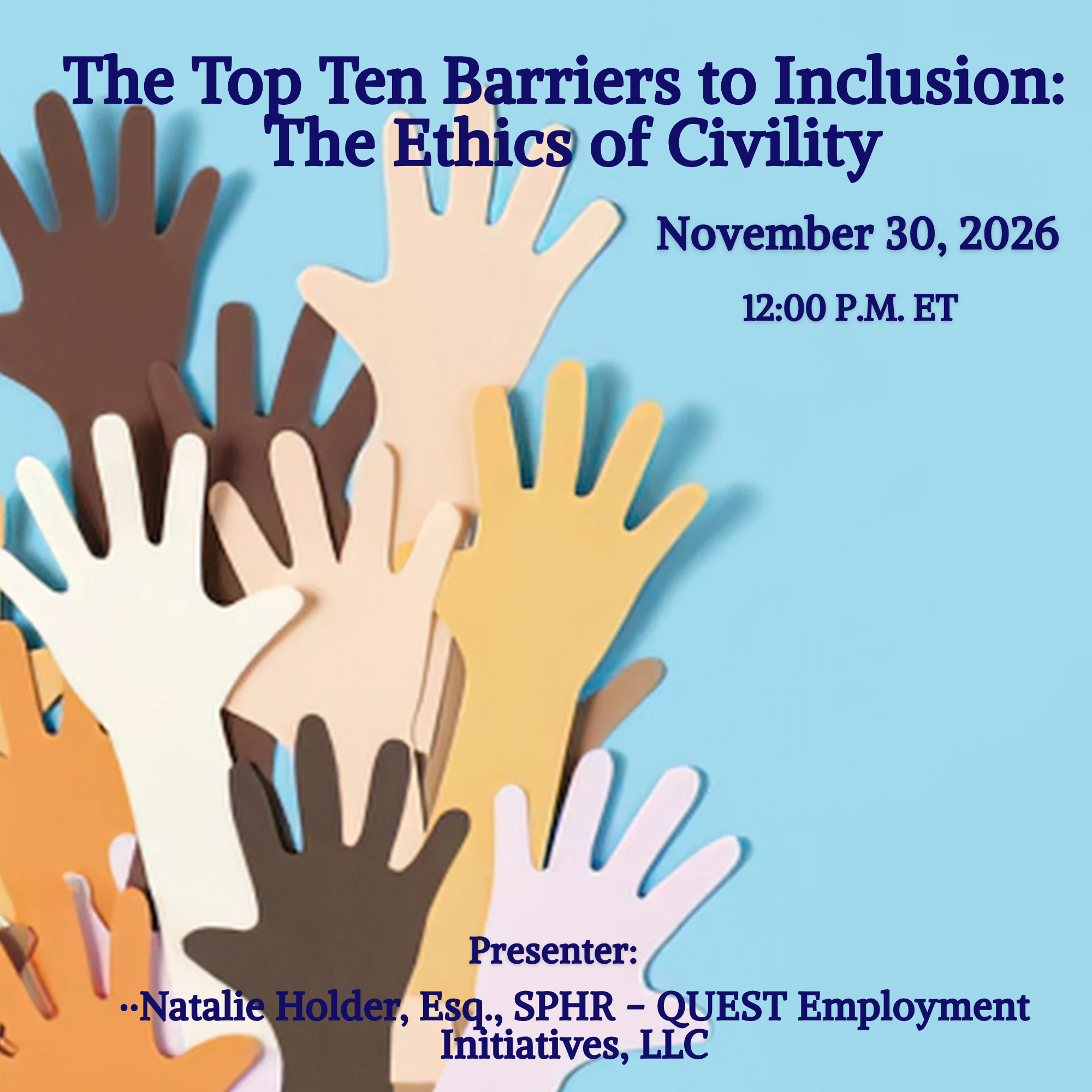
The hardest part of managing a diverse workforce is inclusion: the everyday decisions about who gets...

The bar that grand jury targets face in challenging a grand jury subpoena or seeking access to a gra...
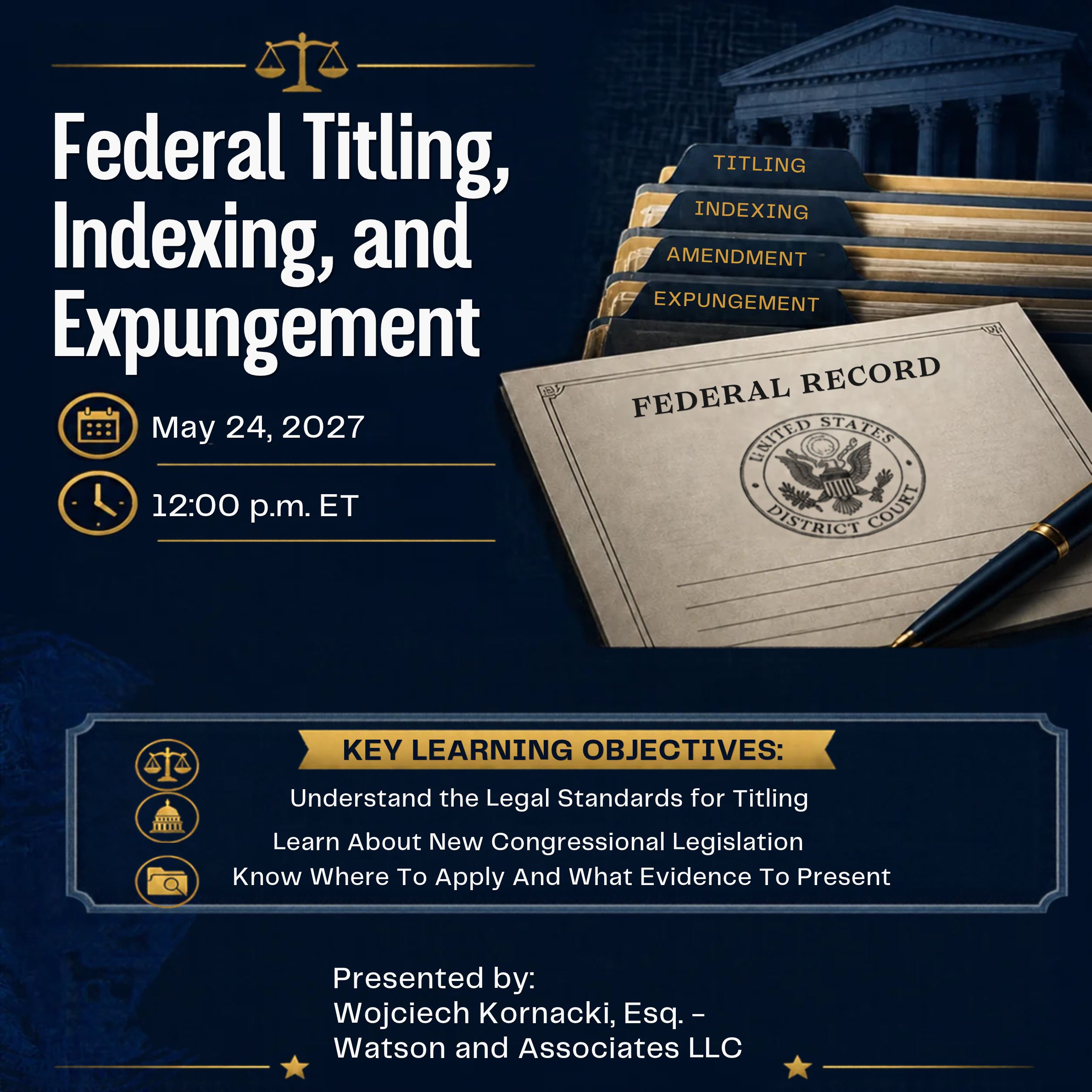
This course analyzes federal titling and indexing requirements and how to expunge or amend your reco...
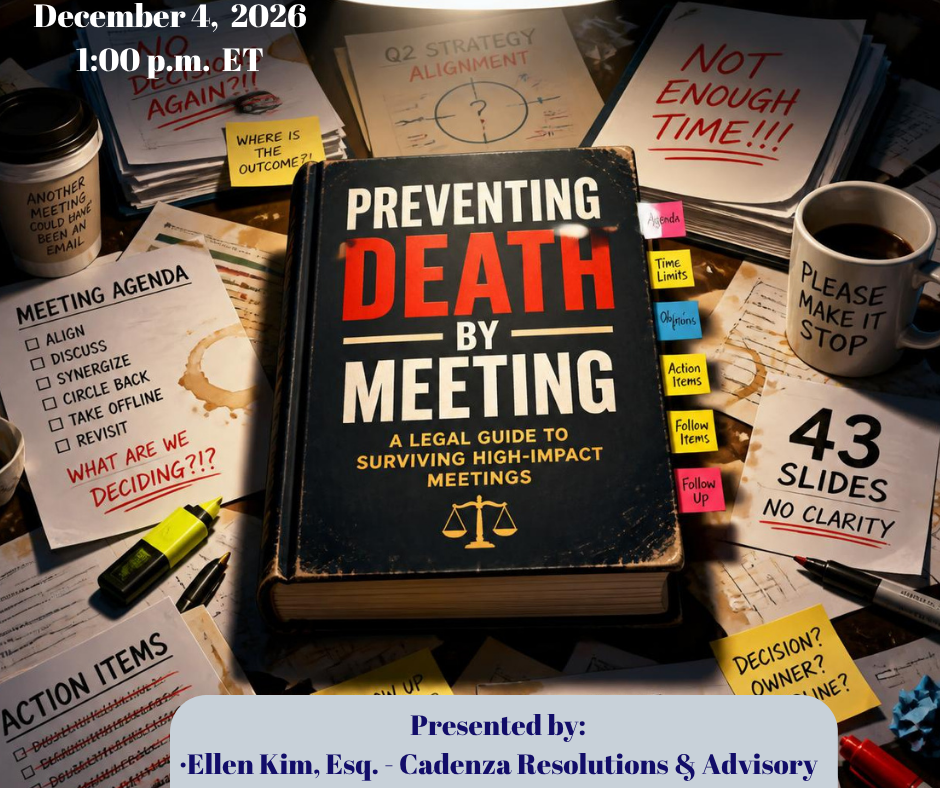
Lawyers lose hundreds of billable and operational hours every year to poorly managed meetings. Unfoc...

Effective courtroom advocacy requires more than a command of the facts and law; it also demands the ...

Millions of times per year, liability insurers hire panel counsel to defend policyholders in third p...

Class action litigation continues to expand in both number of filings and monetary exposure, with se...

I was wrongfully separated from the military and I will get no military pay and disability retiremen...

Turn decades of client relationships into lasting equity. This practical CLE shows attorneys how to ...